







A tale of two (or three) Heathcliffs

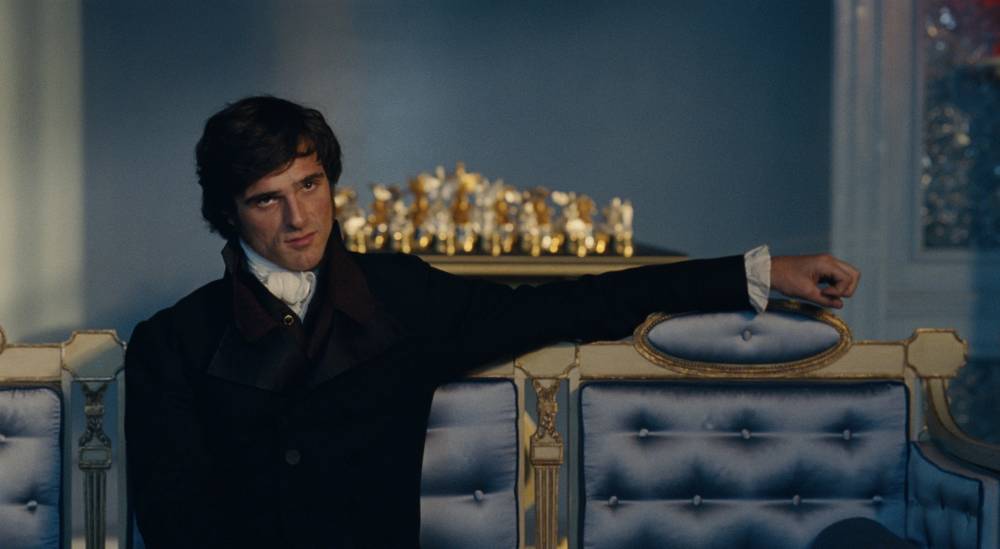
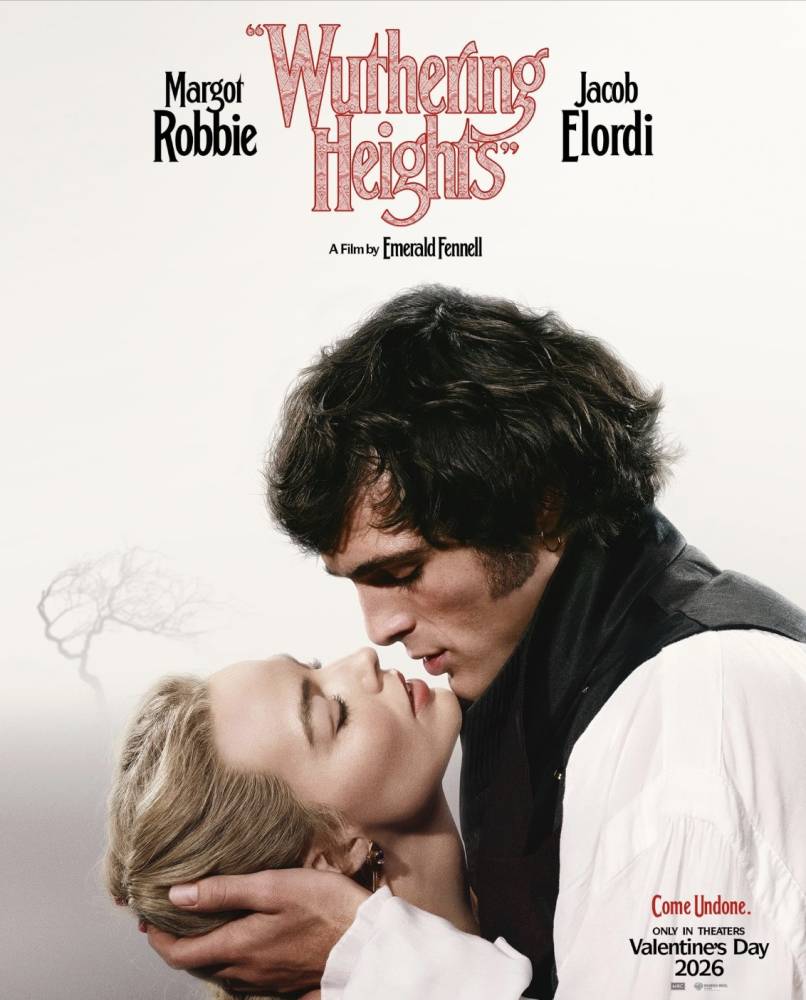
The moors of Yorkshire have never felt quite so crowded. With the release of “Emerald Fennell’s “Wuthering Heights” (2026), the internet is currently divided between those swooning over the star power of Margot Robbie and Jacob Elordi, and those clutching their tattered 1847 first editions in horror.
You might remember Fennell’s 2023 black comedy “Saltburn.” Also starring Elordi, Fennell drew from another classical novel that depicts social stratification in society, “Brideshead Revisited” by Evelyn Waugh. But she did so with a little gore and much debauchery, as “Saltburn” drew squeals, touching on taboo after taboo, including a skin-crawling bathwater-slurping scene.
Fennell’s foray into translating Emily Brontë’s classic channeled that same atmosphere of “Saltburn,” now with a high fashion, high-sex, and highly controversial take on one of literature’s most toxic romances.
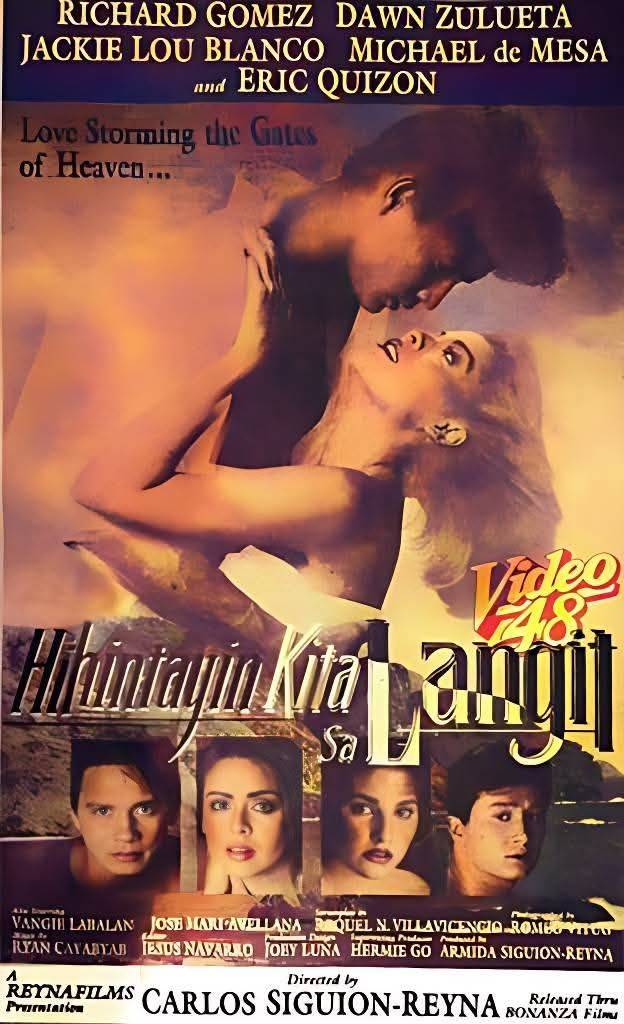
But as the world argues over Elordi’s accent, there’s another case close to home that also adapts “Wuthering Heights.” Occasionally dismissed as Filipino melodrama, the 1991 classic, “Hihintayin Kita sa Langit” by Carlos Siguion-Reyna, starring Richard Gomez and Dawn Zulueta, followed Brontë’s original plotlines more closely, only straying at times.
The many lives of Brontë’s ghost
Before we dive into the raunchier 2026 adaptation, we’ve got to acknowledge that Brontë’s work has always been a shapeshifter. Since the book’s release, there have been over 35 film and TV adaptations worldwide. As a female writer, Brontë first published the book under a male pen name, and it was initially received as a work of art.
Though posthumously, when it was revealed that the author was female, it was subject to a storm of criticism.
Her gothic nightmare has been described as a novel not of love, but a novel of hate, as she wrote mercilessly about class, revenge, and a ghoulish, lovelorn obsession that went beyond the grave. This intensity has fascinated filmmakers and brought the story traveling across cultures.
In a highly acclaimed Japanese interpretation, Yoshishige Yoshida created the 1988 film “Arashi ga Oka,” which reset the story in medieval Japan, trading the moors for the volcanic landscapes and replacing the English gentry with a samurai-adjacent class struggle. There have also been surrealist takes, including Luis Buñuel’s “Abismos de Pasión” in Mexico. Bollywood, meanwhile, has taken the classic up, too, with three Indian drama adaptations in 1950, 1951, and 1966.
This is not to mention there have been quite staid and sterile adaptations throughout the years. Naturally, the BBC had a TV adaptation of “Wuthering Heights” in 1948. Or the well-known 1939 version of the classic with Merle Oberon and the great Laurence Olivier. More recently, you might have even seen the 1992 version with Juliette Binoche and Ralph Fiennes, or the 2011 version with “Skins” actress Kaya Scodelario.
The brotherless, bodice-ripping 2026 version
While Heathcliff and Catherine Earnshaw have experienced many iterations of their character throughout the years, Fennell’s 2026 interpretation has been described by both her fans and her own film team as “moist.” And the word captures the film well.
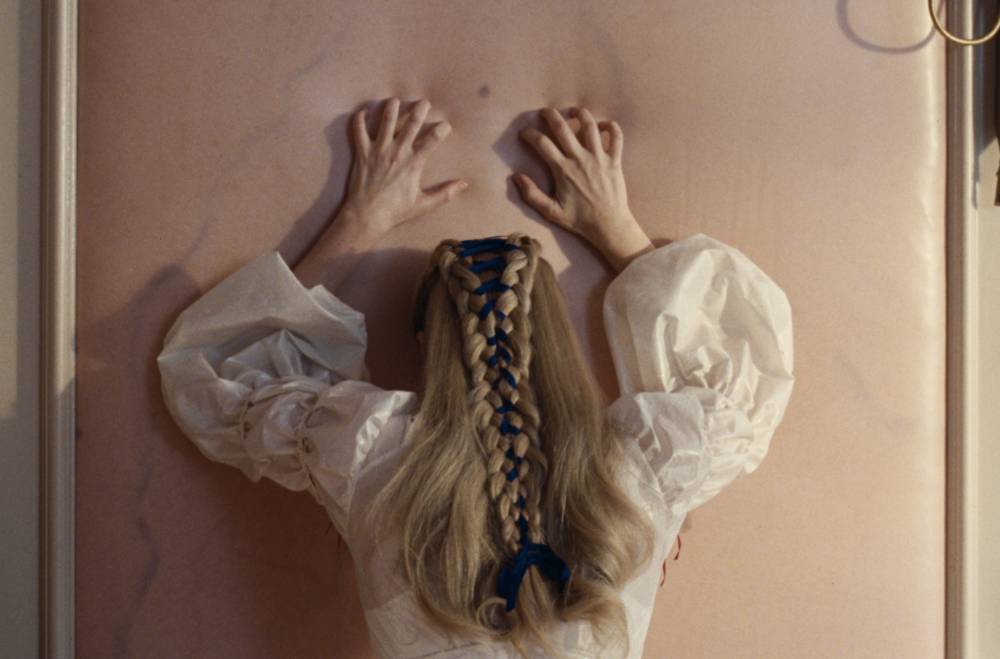
The scenes lean heavily into a hyper-sexualized gothic aesthetic, now leaning into humidity with literally dripping walls, slimy, broken eggs, and constant rain across the foggy moors. However, for Brontë purists, the changes in the plot are jarring.
In a more radical change, the film compresses characters, such as removing Hindley, Cathy’s brother and Heathcliff’s primary tormentor, to focus purely on the central duo.
Besides the erasure of Cathy’s brother, there is also no sense of unrequited pining. The book is famous for its agonizing, unconsummated (mind this, unconsummated) spiritual bond that never quite finds peace on earth. Fennell’s version is far removed, and you’ll find multiple scenes of bodice-ripping sexual awakening, from funny business in the open uplands to suggestive scenes in horse stables overflowing unrealistically with whips, chains, stirrups, and leather.
Throughout, the scenes are visually striking, if not jarring. The costume designers focused on shades of red in both the sets and the costumes. Cathy donned massive, gaudy jewels that sparkled alongside her cellophane dresses. And with the use of dramatic veils, the designs pulled from all eras in fashion, from the Regency to the Victorian era. Such loose visual interpretation clearly gave the creatives on set freedom, reminding me of a fashion shoot in motion.
With all this, Fennell often seems to focus on the “aesthetic” of obsession rather than the consequences of it.

Before you scoff: The case for “Hihintayin Kita sa Langit”
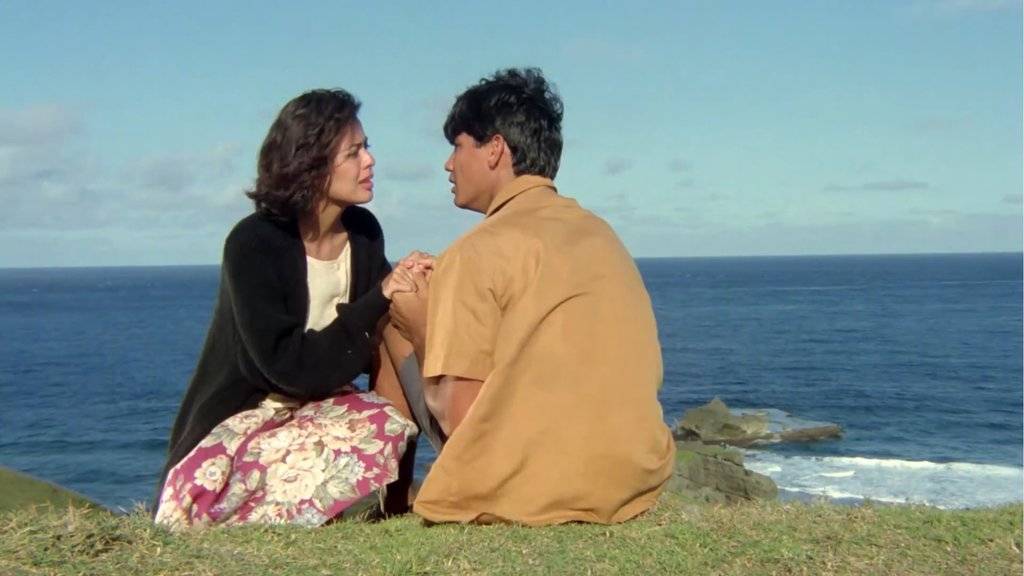
All this considered, you may still scoff at the idea of comparing a grand Hollywood blockbuster to a ’90s Filipino film. But Gomez and Zulueta actually had wonderful, grounded interpretations of the literary couple, renamed Gabriel (Heathcliff) and Carmina (Cathy).
Set against the breathtaking, wind-swept cliffs of Basco, Batanes, “Hihintayin Kita sa Langit” managed to capture the “wuthering” (“stormy” or “tumultuous”) atmosphere of the book quite well.
“Hihintayin Kita sa Langit” leaned into the melodrama of Filipino cinema; it depicted the class-based cruelty that’s so starkly portrayed in the books. Gomez’s Gabriel isn’t merely a brooding heartthrob, but a man fueled by the pain of being the outsider, as a street urchin who was never truly accepted by the family that took him in.
While the 2026 film adaptation acknowledges class, it often feels secondary to the film’s obsession with the “hotness” aesthetic. In contrast, the chemistry between Gomez and Zulueta portrays love as a fated, destructive force in a primordial bond that doesn’t really need explicit sex to feel dangerous. Instead, the 1991 version thrives on emotional intensity and restraint.
Theatrical and definitely more conservative, our local version understood that “Wuthering Heights” isn’t just about two people who want to sleep together really badly, but perhaps shows Brontë’s plotline more clearly—of two people who cannot exist without the other, but because of their backgrounds, cannot exist with each other in this life, either.
Which ghost will you follow?
If you want a sleek, hot, stylized thrill ride through the moors, the Robbie and Elordi version that riffs off the director’s vision more than the author’s intent is your Friday night or post-Valentine’s day plan.
But if you want to dive a little deeper into the feeling of a love that’s a little more PG-13, even if it’s a little melodramatic, check your old tapes for the Filipino version with the Batanes cliffs.