











The do’s and don’ts of a well-planned bedroom

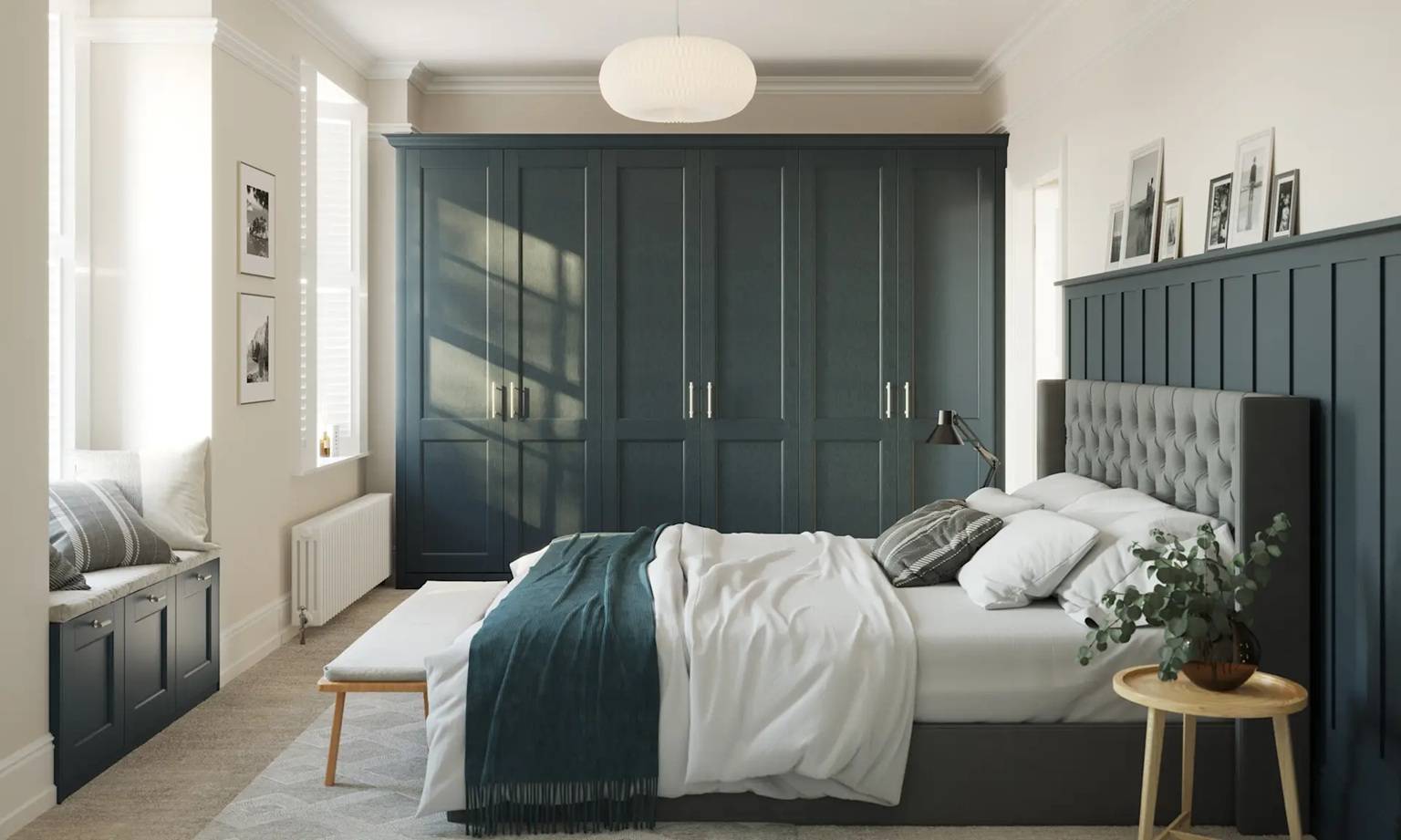
A well-planned bedroom layout is essential for creating a space that feels comfortable, functional, and visually balanced. Here are some key do’s and don’ts to help you make the most of your sleeping space.
Do: Consider the purpose of your bedroom
Your bedroom is not a living room or a dining area. Be thoughtful about the activities you allow in it and keep its purpose clear.
Don’t: Use the bedroom other than the intended use
As much as possible, avoid using the bedroom for eating or, for some people, even watching TV. Keep the layout focused on rest and relaxation.
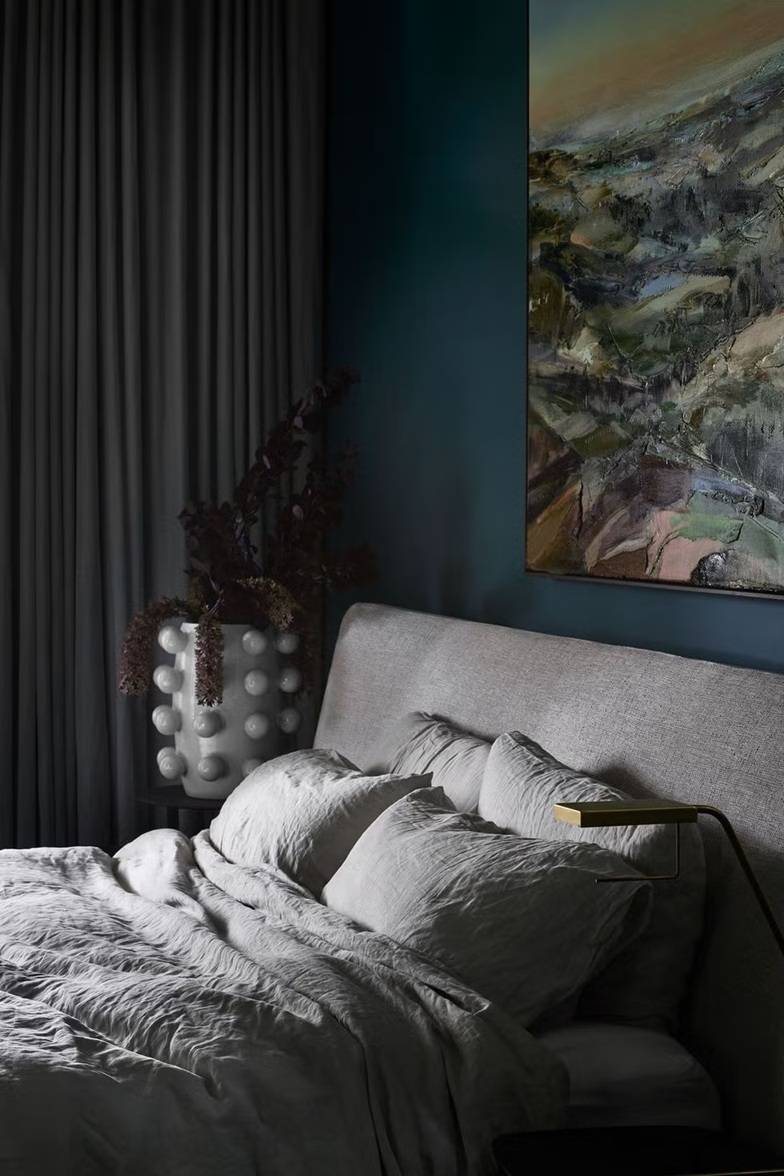
Do: Allow for flow and movement
Provide a designated space for each activity by zoning the room, as this helps create a smooth flow. Make sure to leave at least 2 to 3 feet of space between furniture pieces and the walls to allow for easy movement.
Don’t: Overcrowd and block pathways
Keep pathways to the door clear and avoid placing furniture in high-traffic areas. Plan your bedroom furniture carefully and choose pieces that serve multiple purposes to prevent overcrowding. Avoid placing a chair near the bed that becomes a permanent home for laundry, as this creates visual clutter.
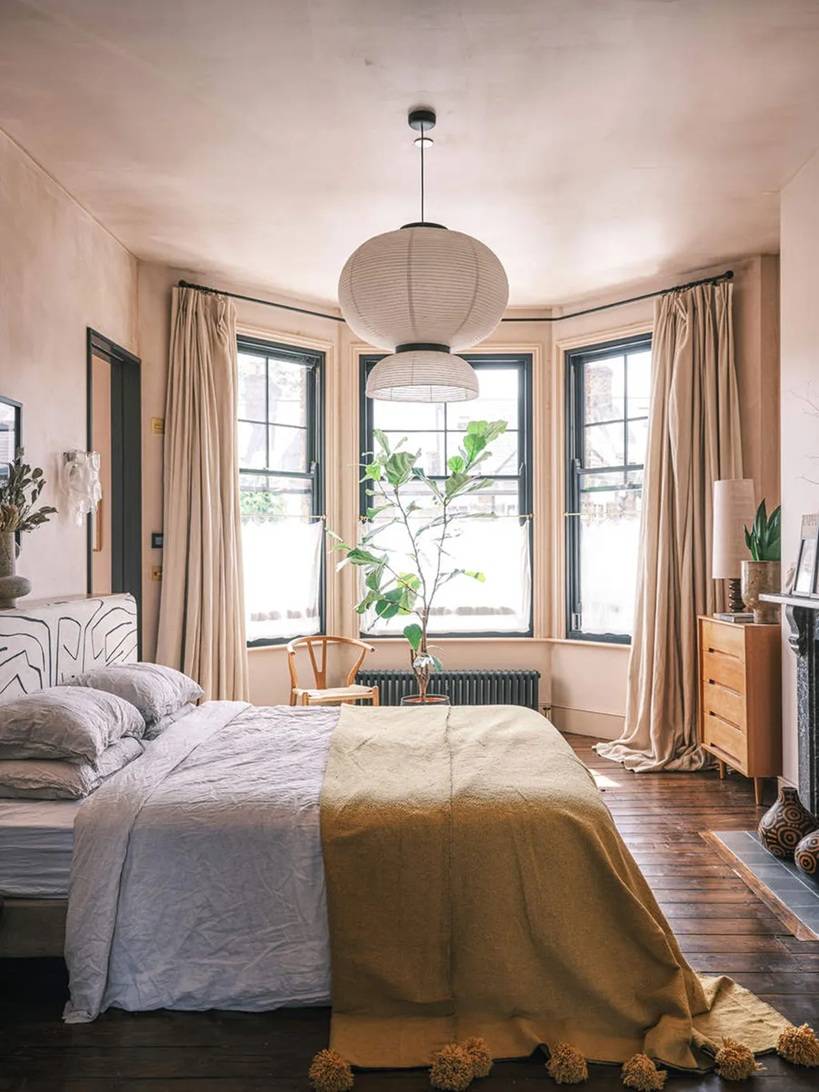
Do: Position the bed as your bedroom’s focal point
To create a sense of security, designers use the “commanding position,” in which the bed is placed so you can see the door without being directly in line with it. If the layout doesn’t allow this, use a mirror that reflects the door while you’re in bed.
Don’t: Place your bed on a “noisy” wall
Walls shared with the bathroom and windows are often sources of noise. Feng shui does not recommend placing the bed against them, but if it’s unavoidable, avoid using tall headboards, as they can block natural light.
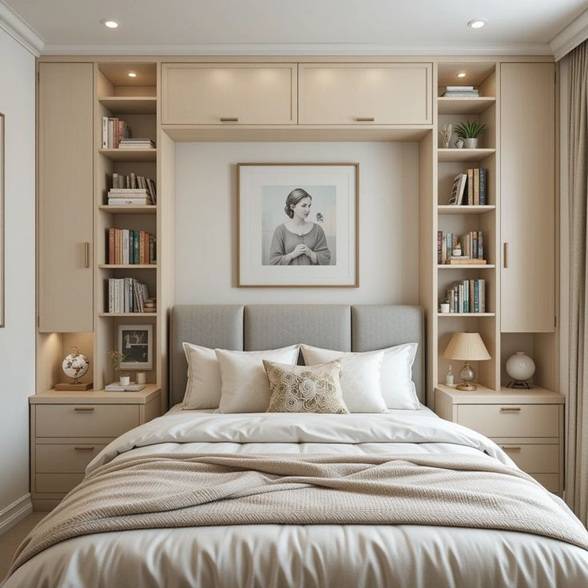
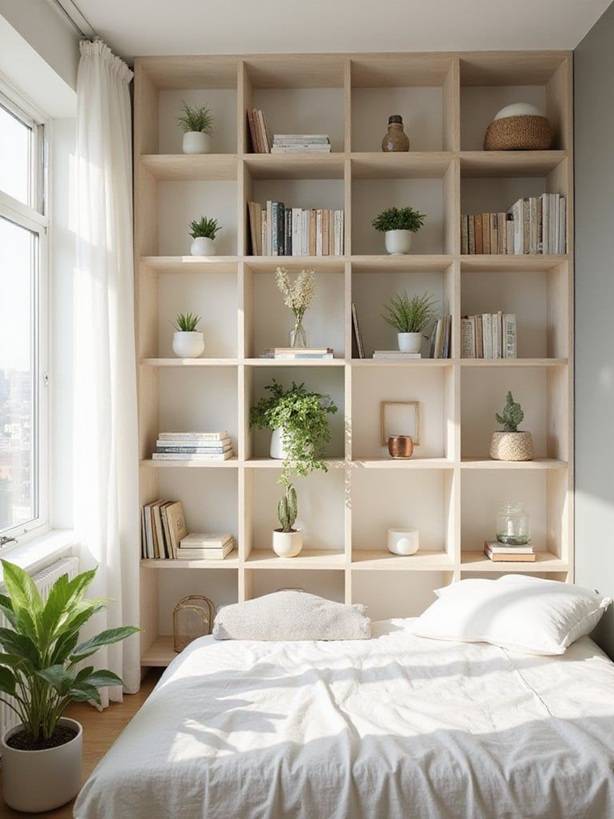
Do: Maximize vertical space
One way to free up floor space is to make your walls functional. Use tall, slender furniture, wall-mounted shelves, or floor-to-ceiling wardrobes.

Don’t: Put too much clutter on walls
As functional walls can often feel busy and reduce the sense of serenity in a bedroom, balance them with some breathing space. Leave some walls clear or add artwork to soften visual clutter.
Key takeaway
Overall, the main objective in planning your bedroom layout is to maximize functionality and provide the utmost comfort, creating a personal space you truly love. With a well-planned layout and thoughtful design, your bedroom can become a place where you relax, rest, and unwind.
The author has more than 20 years of expertise in designing interiors for homes, offices, and retail spaces. Experience his designs by contacting him at +639178860983