






Housing that keeps its promise

Affordable housing has become a familiar phrase in Philippine property conversations, from campaign speeches to billboard ads on expressways.
For many families, however, the term still feels vague. A unit may fit the bank table today, yet strain the grocery list, school budget, and transport fare for years. True affordability must promise a livable and dignified home.
Price that families can sustain
Affordability starts with a household’s manageable monthly payment without sacrificing essentials. The house’s sticker price reveals only part of the story, as buyers also pay loan fees, insurance, dues, travel costs, and the opportunity cost of living farther from work.
Developers and lenders who claim to offer affordable housing have a duty to design within real household budgets. This means aligning unit sizes, construction methods, and amenity packages with realistic income brackets.
For architects and planners, the question is simple: After paying the mortgage and utilities, does the family still have a life inside and outside the home?
Space that supports daily life
Price doesn’t define affordability.
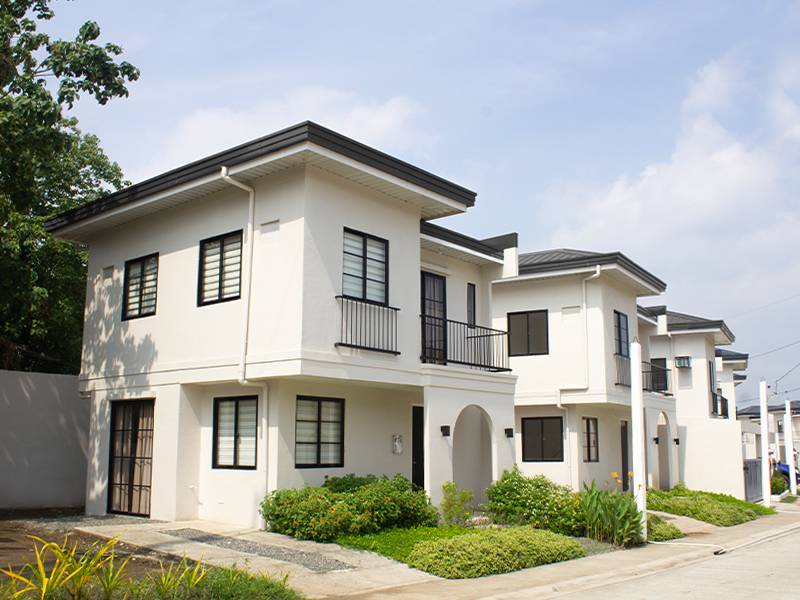
A home needs sufficient space for a growing family’s routines. Compact designs work if layouts ensure comfortable movement, cross-ventilation, and daylight. Bedrooms should be private; living and dining areas can be open and flexible.
Thoughtful provisions today prevent chaos tomorrow. Structural readiness for a second floor, sensible service area locations, and clear setbacks offer owners safe expansion paths. Storage for supplies and tools makes small homes efficient and adaptable over time.
Systems that protect households
Invisible systems keep homes safe by ensuring a reliable water supply, stable power, and effective drainage.
Site planning should consider flood history, topography, and winds to channel rainwater away and keep streets passable.
Roads, sidewalks, and lighting influence residents’ movement and safety after dark. Clear signs, designated loading zones, and well-designed gates enhance safety for children and seniors.
Digital connectivity is now essential, comparable to water and electricity, as many households rely on stable internet for remote work, online learning, and small digital businesses that support loans.
Shared places that shape behavior
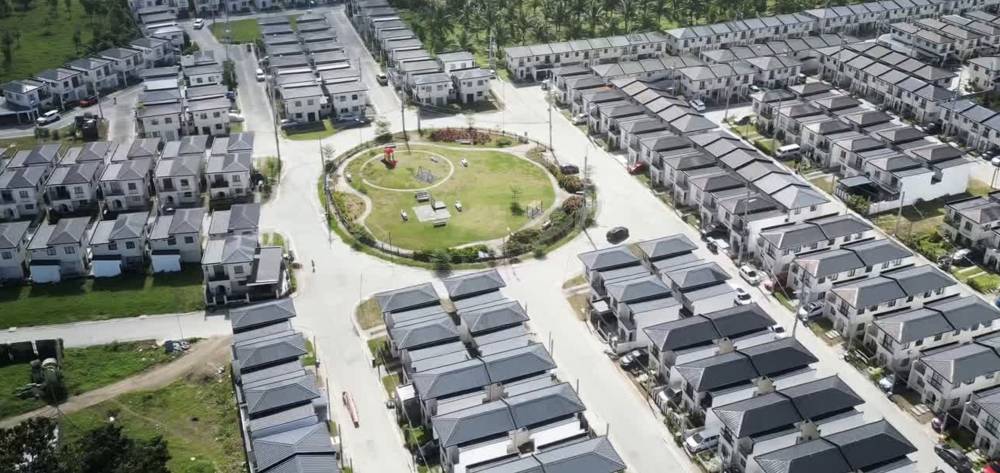
A subdivision or mid-rise cluster is affordable when it supports daily life beyond just shelter, with features like pocket parks, play areas, community halls, trees, planting strips, and shaded walkways that encourage walking instead of tricycles.
Urban design elements, such as homes facing active streets, clear public-private boundaries, and traffic calming, foster community vigilance. These features make neighborhoods lively and safe with children, vendors, and pet walkers.
Fair terms for lasting ownership
Buyers deserve transparent pricing that lays out contract values, taxes, bank fees, and recurring dues in simple language.

Turnover standards should define what will be delivered, including finishes and fixtures, boundary markers, and utility meters.
After moving in, homeowner’s associations and property management teams become guardians of shared value. Clear rules on maintenance, garbage collection, extensions, and security protect both aesthetics and resale potential.
When governance works, the cost of living in the community remains predictable.
Developers who lift expectations
Developers are responsible for raising the baseline for affordable housing. They coordinate masterplanning, architecture, engineering, and financing so that each phase of a project contributes to a coherent place.
Firms such as Ovialand, for example, now position their horizontal communities as attainable addresses with careful site planning, an example of how the market expects a complete package rather than isolated houses.
Responsible developers provide responsive customer service, regular communication, and after sales support. They listen to how residents use spaces and adjust future phases accordingly. When this happens, buyers receive evolving neighborhoods that grow in value and quality of life.
Affordability as dignity
When architects, planners, financiers, and public agencies treat affordability as a standard of livability, the phrase regains weight. Housing that keeps its promise becomes a quiet engine for social stability and opportunity in Philippine cities and provinces.