







Shared ground: Architecture as territorial responsibility


(Conclusion)
Climate is not a background condition in Southeast Asia; it is a defining force.
Monsoons, typhoons, extreme heat, seismic activity, and rising seas shape daily life. Floodplains are built upon. Reclaimed land becomes financial districts. Hillsides are terraced for housing.
“Shared ground” places climate at the center of architectural thinking. Ground is not stable. It floods, erodes, and shifts. Urban heat islands intensify. Infrastructure strains under heavier rainfall. Architecture that ignores these realities amplifies vulnerability.
Resilience cannot be superficial, not a green wall applied after the fact. It must be embedded in orientation, section, materiality, and infrastructure. It must anticipate change rather than resist it blindly.
To design responsibly is to accept that the ground will not remain constant. Adaptation becomes a design principle, not a contingency plan.
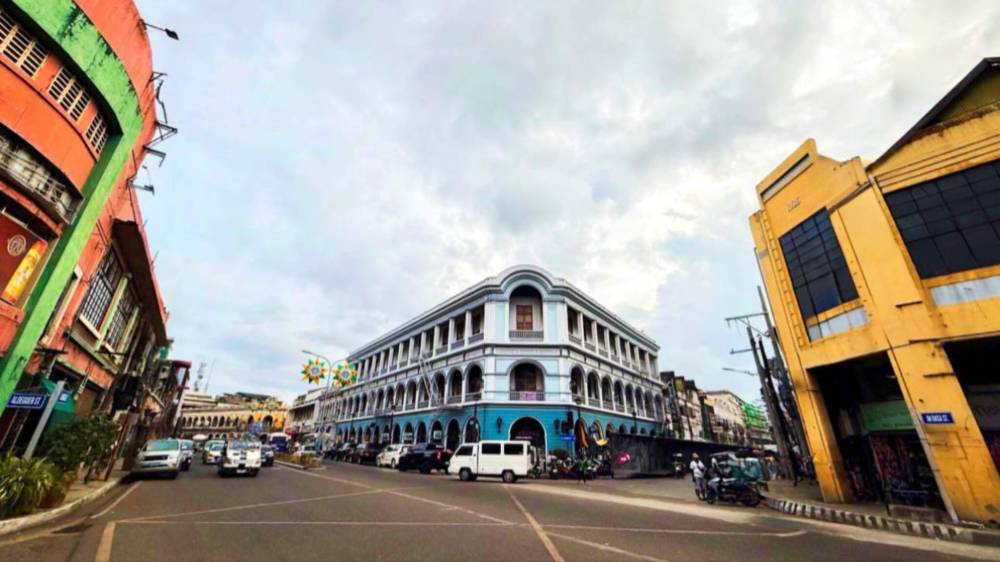
Heritage as active terrain
The region’s cities are built upon layered histories.
Indigenous settlements coexist with colonial grids, postwar modernism, and contemporary commercial expansion. Heritage districts often sit beside speculative towers.
Shared ground treats heritage not as frozen artifact but as active terrain. The past is not decorative backdrop; it is structural memory. It shapes identity, public rituals, and spatial patterns.
Preservation without relevance risks turning cities into museums. Development without memory risks erasure.

Architecture must engage history as living foundation by adapting, extending, and reinterpreting rather than overwriting. Continuity is not nostalgia; it is coherence.
The ground holds stories. To build responsibly is to acknowledge them.
Interdependence
The concept of shared ground extends beyond geography. It recognizes interdependence across borders.
Water systems cross national lines. Supply chains move through ports and corridors. Labor migrates between cities and countries. Environmental consequences do not stop at boundaries. A coastal intervention in one territory can affect fisheries in another.
Infrastructure investment shifts regional flows of capital and movement. Architecture cannot operate as isolated gesture within a globalized region. Decisions reverberate beyond immediate sites.
Shared ground asserts that the future of Southeast Asia is collective. Its risks are shared. Its opportunities are shared. Its ground–physical and symbolic–is shared.

A standard of practice
Shared ground calls for a recalibration of architectural practice–from object to system, from spectacle to stewardship, from isolated authorship to collective accountability.
This is not a rejection of design excellence. It is a deepening of it. Beauty remains relevant but beauty must align with responsibility. Innovation remains vital but innovation must serve durability and equity.
Architecture stands upon terrain that precedes it and outlives it.
The ground carries climate, culture, labor, and history. To intervene in that ground is to accept its complexity.
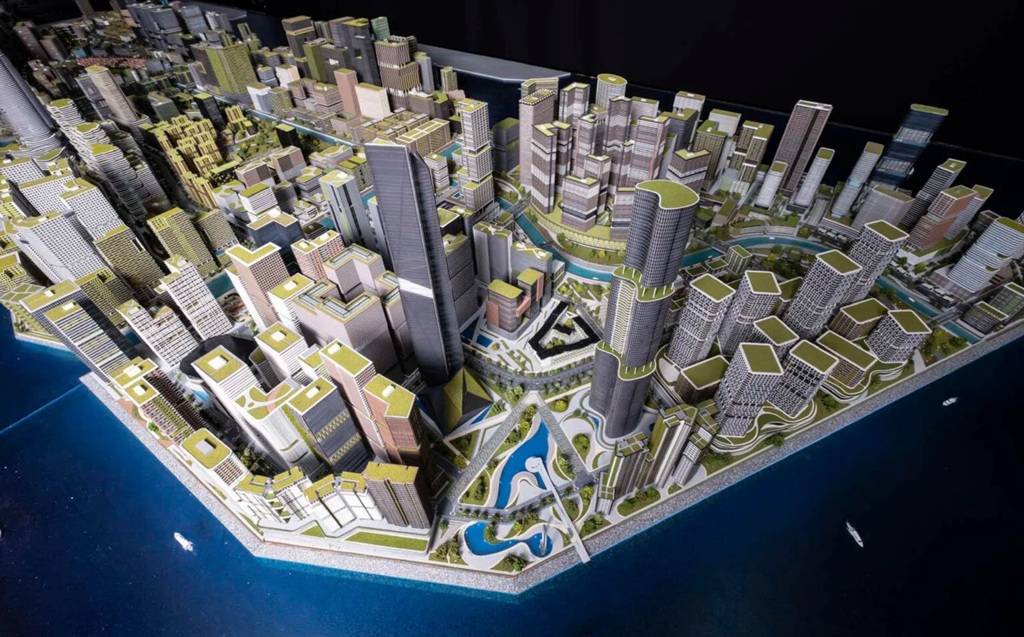
The ground is already shared whether acknowledged or not. To design is to intervene in that shared condition. To build is to accept consequence. To practice responsibly is to understand that architecture stands not only on land, but within a network of lives and futures.
Shared ground is not metaphor. It is the terrain on which the region’s next generation of cities will stand.
Design exploration requires the input of everyone in our community. We invite everyone to come join our explorations on the human environment. Join us on Instagram @wtadesignstudio and @entrari