







The recreation of a city

The birth of a city is a once-in-a-lifetime event. Building one, however, is a never-ending process.
Cities may be designed by urban planners and architects, but other key stakeholders also shape how they come to life. Developers, in particular, play a significant role in shaping existing cities. They can transform environments and influence the way people use the land.
Only a few groups, however, have proven themselves successful in improving spaces. While it does take a lot of capital and coordination to make things happen, the success of large-scale projects rely heavily on the design strategies implemented to turn them into reality.
Today, let us explore some methods successful developers utilize in order to transform cities for the better.
Create public landmarks of beauty
South Korea is a country that proves old mistakes can have the best makeovers. In particular, it has proven successful in transforming urban blights into lush parks that have multiple positive effects on the city.
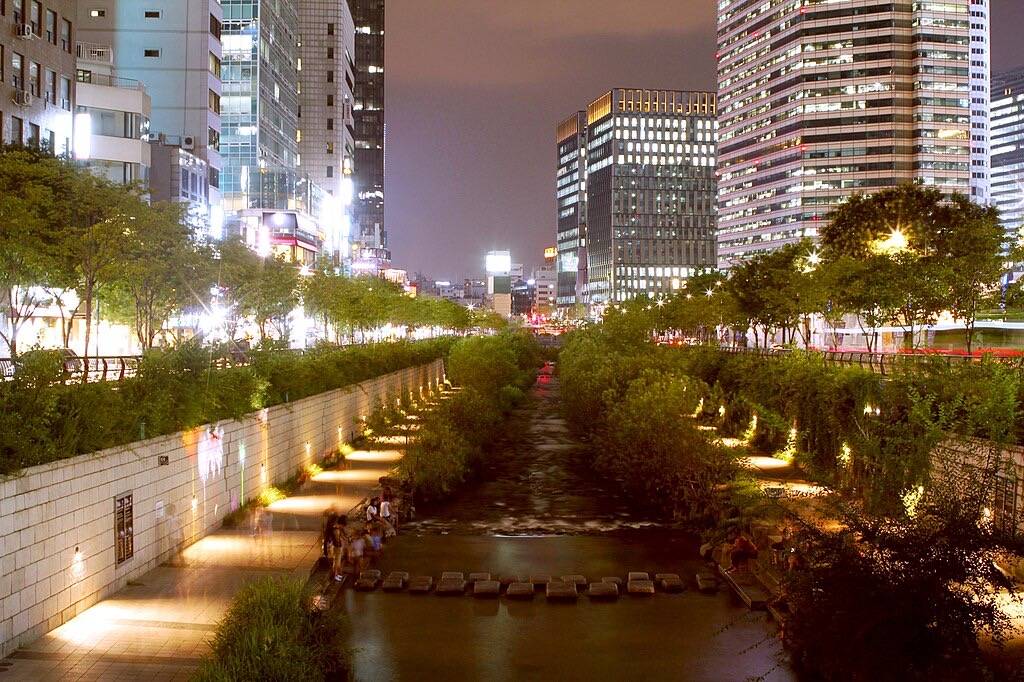
One commendable example of this is the Cheonggyecheon Stream in Seoul.
This project saw an abandoned highway restored to the site’s original feature–an open waterway. The urban restoration project resulted in lower temperatures, increased biodiversity, and reduced air pollution.
Over time, it has led to more green spaces, new job opportunities and increased land value by up to 50 percent. Consequently, the health of local residents also showed significant improvement, with the occurrence of respiratory diseases declining after the restoration of the stream.
The success of this government-led initiative led to more green urban renewal projects across the country.
Build infrastructure that improve living standards
Paved roads, bus routes, internet provisions, flood management measures, and other infrastructure significantly contribute to the livability of a city. For many people, the ideal home displays a balance between natural offerings and urban comforts.
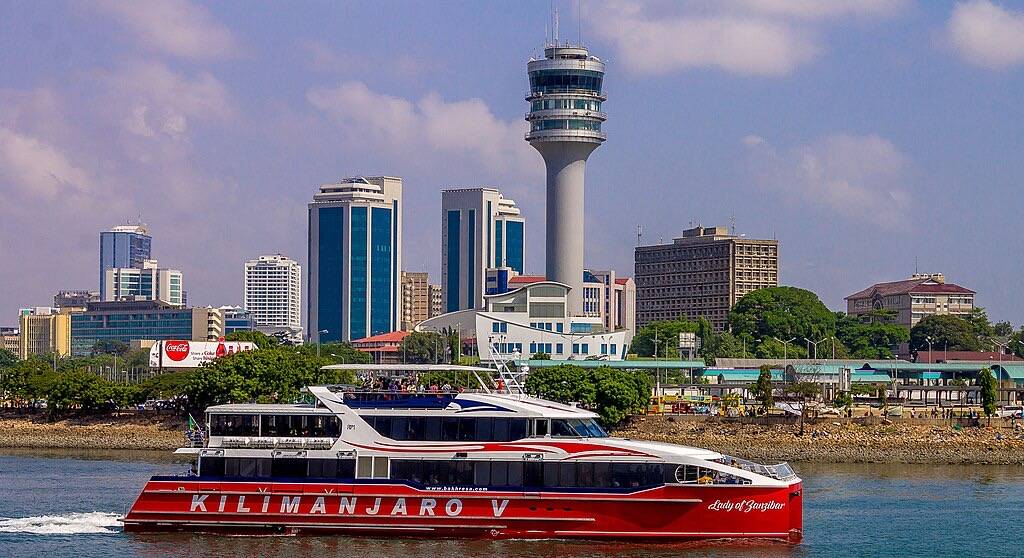
The Dar es Salaam Metropolitan Development Project (DMDP) in Tanzania is one project that exemplifies the improvement of stormwater drains, sewerage and garbage disposal systems.
While Dar es Salaam City is heavily populated, the region is plagued by heavy floods in lowland areas. Many informal settlements were built on river corridors and riparian zones.
To prevent catastrophic losses and damages, the government conducted scientific studies, community discussions and maintenance activities. Early warning systems were utilized to avoid future flood-related losses.
The project has led to improved access ways in the city, upgrading of informal settlements, and the construction of approximately 67 kilometers of stormwater drains.
Involve stakeholders in city-led initiatives
The Smart Docklands in Ireland is a collaborative effort carried out by the Dublin City Council and Trinity College Dublin.
The program serves to connect citizens, industry representatives, the government, and the academe toward a common goal: Utilizing smart city technology to solve the city’s urban problems.

By using education, scientific analysis and public engagement, the program aims to use technology to repair the environment, improve living conditions and attract investors to the area.
The project has led to the implementation of unique initiatives such as the installation of smart garbage bins, the study of drones for essential deliveries and the use of alarm systems to prevent ring buoy thefts.
This has led to increased investments in the Docklands, translating to more jobs and an improved local economy.
Going beyond property developments
Developers are primarily associated with the construction of new buildings, subdivisions and mixed-used properties. The effect that they have on a city, however, lies beyond their site’s boundaries.
Local economy and living conditions are shaped by projects as traffic, transportation routes, and other infrastructure are affected by their creations.
Therefore, developers should not only focus on earning back investments by building commercial opportunities. Rather, they should assess how they will affect the city as a whole, as they in turn will be affected by land value and local perceptions.
The capacity to see beyond personal gains is what sets apart the great creators from the rest, as any built project creates a ripple effect on the community–either for better or worse.