

Everyone wants a job in fashion. No one is hiring

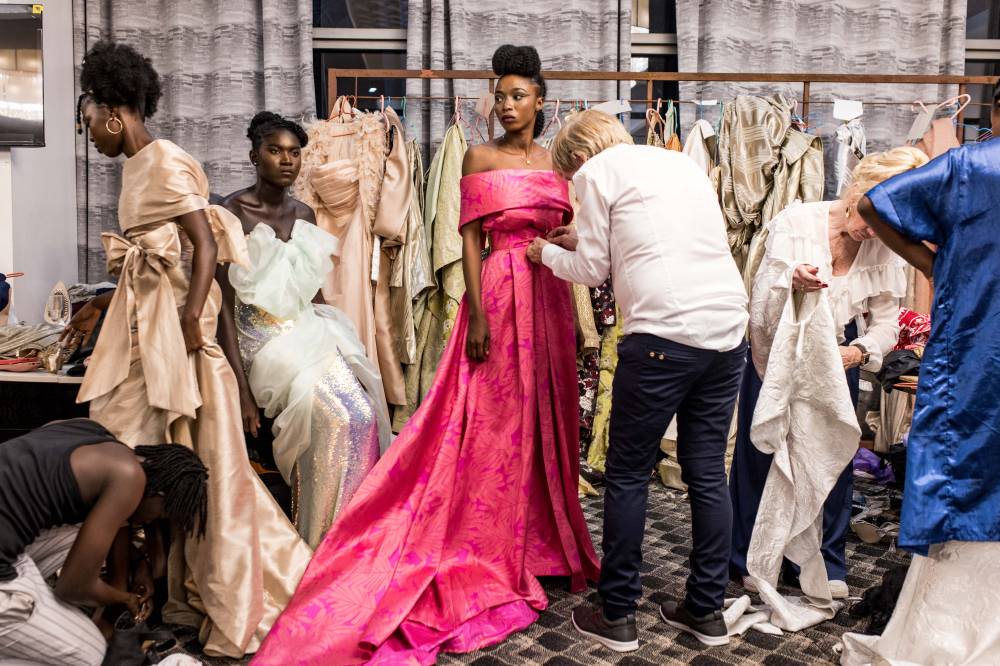
Fashion has never been more visible. Behind-the-scenes TikToks romanticize showroom chaos. “Day in my life” vlogs turn fashion assistants into micro-celebrities. Fashion week looks less like an industry trade and more like a cultural spectacle. For a generation raised online, fashion does not just look glamorous—it looks accessible.
Everyone wants in. The problem? The doors are not opening.
The illusion of abundance
On the surface, the industry feels expansive. New brands launch weekly. Influencers collaborate with heritage houses. E-commerce platforms promise global reach. The fashion ecosystem appears larger than ever.
But hiring tells a different story. Teams are shrinking. Roles are consolidating. Internships stretch longer. Entry-level listings quietly disappear. Where there were once five-person communications teams, there are now two—sometimes one, expected to do the work of many.
The optics of growth mask an era of restraint.
The freeze no one talks about
Across luxury, retail, and media, hiring freezes have become the unspoken norm. Companies are not necessarily collapsing—they are stabilizing. Protecting margins. Re-evaluating expansion plans that felt certain two years ago.
Economic uncertainty has made brands cautious. Rising production costs, shifting consumer spending habits, global instability—all of it has forced recalibration.
When revenue becomes unpredictable, payroll becomes strategic. And “strategic” often means leaner.
More skills, fewer roles
The expectations, meanwhile, have inflated. Today’s fashion job descriptions read like three roles combined into one. You are not just a marketing executive—you are a content creator, data analyst, community manager, and brand strategist. You do not just assist—you conceptualize, shoot, edit, schedule, and report.
Digital transformation promised opportunity. Instead, it redefined baseline competency.
Graduates entering the market are more skilled than ever—fluent in social media analytics, branding, Adobe, cultural commentary—yet competing for fewer structured entry points. The apprenticeship model that once defined fashion has quietly eroded.
The industry wants multi-hyphenates, but it is not expanding fast enough to house them.
The glamour gap
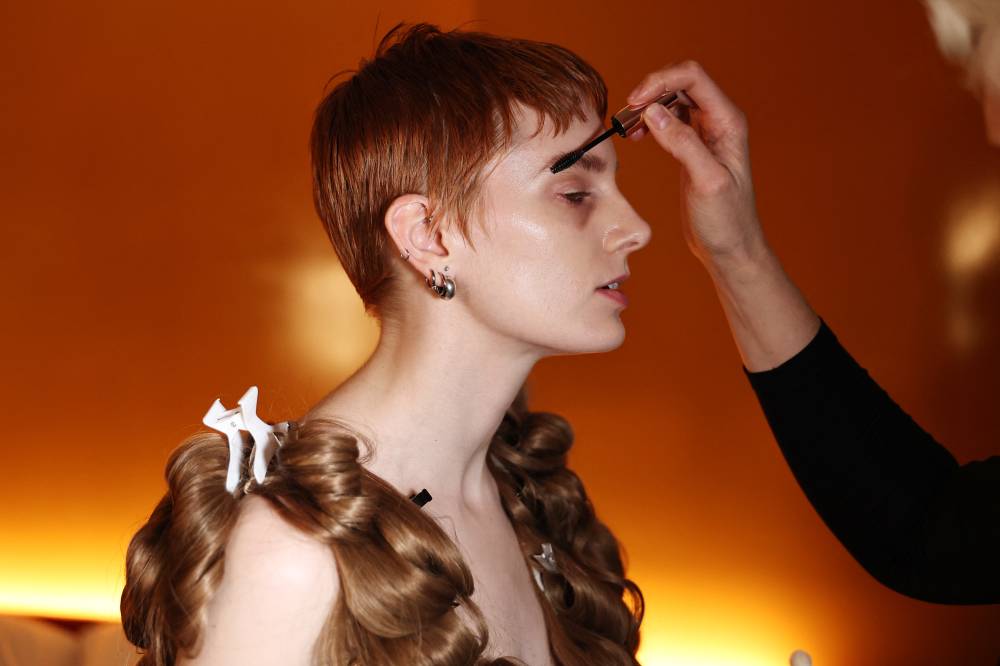
There is also a perception gap. Fashion remains aspirational—but behind the scenes, it is cost-conscious. Margins are tight. Retail is volatile. Even luxury is navigating slower growth in key markets.
Brands that once hired aggressively during post-pandemic rebounds are now recalibrating. Expansion plans pause. Regional offices merge. Freelancers replace full-time contracts. Contract roles replace permanent ones.
The glamour remains visible. The payroll does not.
So why does everyone still want in?
Because fashion, even in contraction, feels culturally central. It sits at the intersection of identity, art, commerce, and storytelling. It offers proximity to creativity. To influence. To culture-shaping conversations.
And for young professionals—especially those trained in branding, communication, design, and digital—fashion feels like a natural home.
The irony is sharp: The industry has never inspired more ambition, yet it has never felt more structurally cautious.

A reset, not a collapse
It would be easy to frame this moment as bleak, but it may be more accurate to call it transitional. Fashion is undergoing a structural correction. Over-expansion is giving way to sustainability. Hype cycles are slowing. Profitability matters again. Teams are being built deliberately, not aspirationally.
That does not make it easier for job seekers. But it does suggest the industry is redefining itself—and perhaps redefining what a “fashion career” looks like.
Increasingly, fashion professionals are building hybrid paths: consulting, freelance creative direction, digital entrepreneurship, cross-industry roles in tech, media, or cultural strategy. The traditional ladder is less linear. The entry point less obvious.
The dream has not disappeared. It is just more competitive. More selective. More demanding.
The real question
If everyone wants a job in fashion—and fewer roles exist—the question shifts.
It is no longer just: How do I get in?
It is: What value do I bring that a lean team cannot operate without?
Because in this era of contradiction, fashion is not hiring for potential alone. It is hiring for precision. And perhaps that is the most significant shift of all.