








The women who shaped how we dress

Fashion’s true evolution comes from women who reshape how clothes are made, taught, worn, and critiqued. This Women’s Month, we honor four pioneers whose work has had profound and lasting effects on the industry, transforming not just garments but also how fashion functions culturally and intellectually.
Elizabeth Hawes: The system critic who reimagined fashion
Elizabeth Hawes didn’t just design clothes; she challenged the very structure of the fashion industry. Born in 1903, she became one of the first American designers to establish a reputation independent of Parisian haute couture.
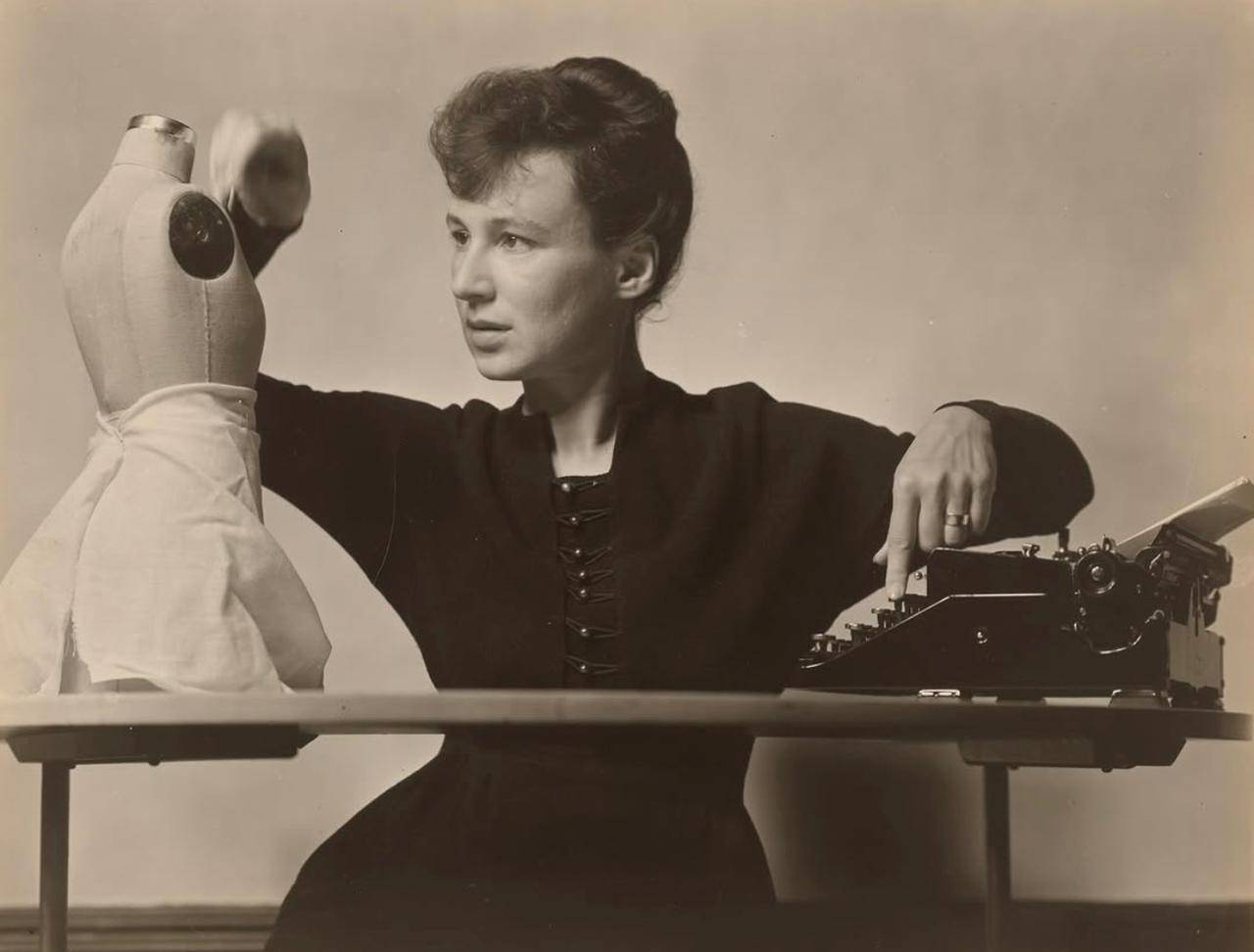
With a background in economics and a critical eye, Hawes traveled to Paris in the 1920s to study couture, then returned to New York to launch her own custom dressmaking business. She also created ready-to-wear garments, pioneering independent American fashion and making quality design accessible to a wider audience.
Hawes was unafraid to question the foundations of the industry. In 1938, she published “Fashion Is Spinach,” one of the earliest systemic critiques of fashion. The title uses “spinach” as slang for nonsense, reflecting her view of the empty cycles of trends dictated by magazines and manufacturers.
In her book, she wrote, “Economics today demands that all manufacturers establish some sort of monopoly or continue to go ‘round and ‘round on the competitive merry-go-round,” highlighting the economic pressures that drove fashion’s relentless churn. Hawes also argued that the antidote was for women to stop blindly following trends and embrace clothing rooted in practicality, personal expression, and freedom from marketing manipulation.
Her work foreshadowed later movements toward slow fashion, personal style, and critiques of consumerism.
Muriel Pemberton: The architect of fashion education
Before accredited fashion education was standard, Muriel Pemberton helped create it. Fashion education back then was also shaped by social class, gendered labor roles, and institutional hierarchies, with women often directed toward training as skilled workers for the industry.
Born in 1909, Pemberton began her studies as a painter, attending Burslem School of Art before enrolling at the Royal College of Art in 1928. Her path into fashion was unconventional, approaching dressmaking through art.
By 1957, she headed the newly established Department of Dress at Saint Martin’s School of Art, where she built one of the first structured fashion programs. Her curriculum integrated technical skills with art history, costume studies, contemporary fashion analysis, and critical theory.
Pemberton believed that fashion should combine craftsmanship with intellectual and cultural insight. Her innovations trained students not only to sew and sketch but also to think critically, analyze ideas, and innovate.

Madeleine Vionnet: The bias cut revolutionary
Madeleine Vionnet’s influence on garment construction is foundational to modern fashion. In the 1920s and 1930s, she perfected and popularized the bias cut, an approach to cutting fabric at a diagonal angle that allows garments to drape naturally and move with the body.
Her designs liberated women from the rigid corsetry that defined earlier fashion. In the 1930s, Vionnet explored classical-inspired draping and folding, drawing inspiration from ancient Greek art. Many of her pieces were constructed as single garments, requiring no fastenings. Her dresses also reflected the Art Deco fascination with movement while drawing visual references from Cubism and Modernism.
Rei Kawakubo: The conceptual visionary
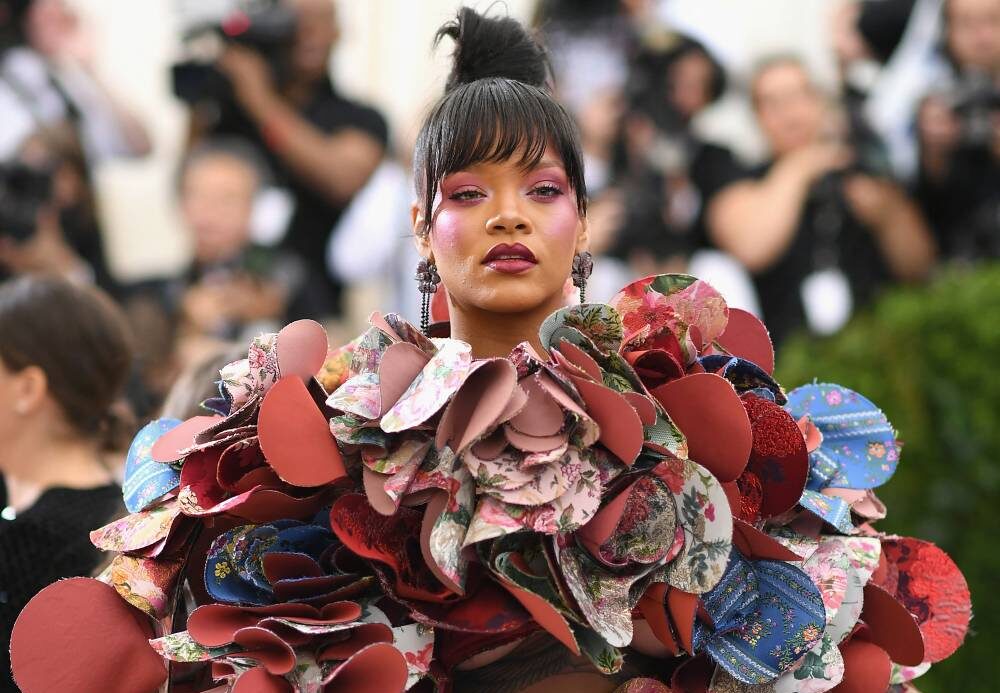
Rei Kawakubo, creative director of Comme des Garçons, transformed fashion into a space for intellectual and artistic exploration. Launching her brand in Tokyo in 1969 and debuting in Paris in the early 1980s, she challenged conventional beauty standards and traditional silhouettes.
Her designs often emphasize space and void as much as fabric, inviting wearers and observers to reconsider how clothing interacts with the body and culture.
Kawakubo’s influence extends far beyond her own collections. Designers such as Martin Margiela, Ann Demeulemeester, and Helmut Lang cite her as a key inspiration. In recognition of her work, Kawakubo became the first fashion designer to receive the Isamu Noguchi Award in 2019, an honor celebrating artists who bridge Eastern and Western traditions and push the boundaries of their medium.