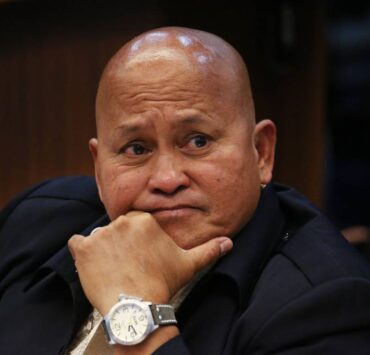








Confronting and defending Duterte


Listening to the foreign lawyers of former President Rodrigo Duterte at the recent pretrial hearings before the International Criminal Court (ICC), one could sense the difficulty of their task. Their client rejects the jurisdiction of the Court and calls his arrest kidnapping. Yet they stood before that same tribunal to defend him.
Duterte chose not to attend the confirmation of charges hearing. The gesture was consistent with the strongman image he had cultivated for years—a leader who would never bow before a court run by foreigners. That posture is not meant for the judges in The Hague, so much as it is beamed for his supporters at home. It appeals to a certain instinctive pride: that no Filipino president worth his name should submit to outsiders. His lawyers wisely avoided that line. Before a global court of law, nationalist defiance carries no legal weight, except when it’s argued as a question of complementarity under the Rome Statute.
The defense lawyers did not dwell on jurisdiction. Instead, they argued that there is no case to answer. Duterte, they said, did not order the killings. His speeches, however harsh, were political rhetoric, not operational commands. There is no direct line, they insisted, between bombastic language and the killings that followed.
Because Duterte was absent, the focus stayed on the arguments concerning sufficiency of evidence. The contrast with congressional hearings back home was striking. At the ICC, proceedings were structured and exacting. A court officer read the charges. The prosecution summarized its evidence. The defense responded. Each side was given time to rebut. On the final day, lawyers representing the victims—two of them Filipinos—spoke for families who lost sons, husbands, fathers.
A large part of the prosecution’s presentation hearkened back to Duterte’s own words during his campaign for the presidency and after his election. In speech after speech, he vowed to rid the country of drugs within three to six months. He did not mince words. “Kill, kill, kill,” he would say, to loud applause. Hearing those clips replayed in court brought back an ominous line from the Gospel of Luke: “Out of your own mouth I will judge you.” It was a moment of reckoning. The prosecution did not need to parse these speeches. It simply replayed what was already said.
The defense has a point if those speeches were supposed to stand alone. Political rhetoric, however crude, is not automatically a criminal order. Leaders are wont to exaggerate, and even more so someone like Duterte who loved to wallow in the semantics of violence. In some speeches, Duterte did remind police officers to act within the law and to ensure they could credibly invoke self-defense.
But the speeches were never meant to stand alone. For the prosecution, they were part of Duterte’s larger performance—a deliberate projection of himself as the ultimate punisher, the man willing to do what others would not. Words matter not because they are clear directives, but because they create an atmosphere in which certain acts become necessary, expected, and even urgent.
Prosecutors argue that this climate was nurtured. The template, they say, was first refined in Davao City during Duterte’s long tenure as mayor and later expanded nationwide after 2016. Central to that model were the death squads that carried out targeted killings, sustained by a system of protection and incentives. The testimonies of former insiders such as Edgar Matobato and Arturo Lascañas are expected to connect rhetoric to operations—to show how a system functioned beneath the spectacle of threatening speeches.
If that evidence is found credible, the issue will not be whether Duterte signed written kill orders. It will be whether he presided over a structure in which lethal violence was encouraged and insulated from consequence. In that context, reminders to stay “within the law” take on a different meaning. They begin to sound less like restraint and more like instruction on how to stage a killing as self-defense.
For the rest of us, what remains hardest to confront is not only the machinery of violence that was deployed against the most vulnerable of our population, but the ease with which we absorbed its language. We heard “kill, kill, kill” often enough that it began to sound ordinary. We saw the dead outside the hovels of the poor often enough that we stopped asking questions. The strongman’s smugness became our own.
The ICC will decide whether crimes against humanity were committed. But we, who lived through those years, must reckon with something equally unsettling: how words can prepare a nation for bloodshed, and how quickly moral shock can turn into numb acceptance.
—————-
******
Get real-time news updates: inqnews.net/inqviber