





The science and experience of contrast therapy

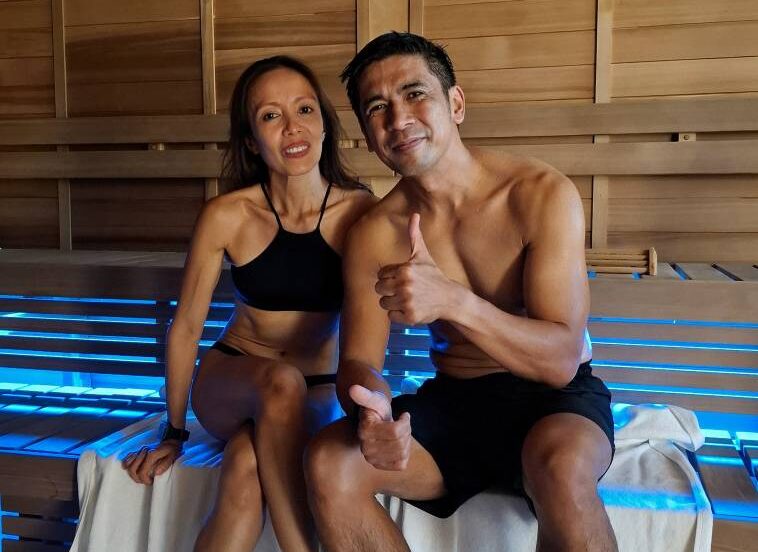
A whole new way of approaching health has been gaining attention worldwide that goes even beyond physical health benefits—contrast therapy. It’s a recovery technique that involves alternating hot and cold exposure, which trains the cardiovascular and nervous systems to respond and recover more efficiently.
How? By briefly challenging the body’s thermoregulatory system.
Research suggests these adaptations can help support circulation, metabolic health, and overall resilience, which is why practices such as sauna use and cold immersion are increasingly being explored in longevity and recovery programs today.
From rehabilitation to longevity trend
During my physical therapy course in college, we studied contrast baths (alternating warm and cold water immersion) as part of our hydrotherapy subject—often applied to the hands or feet and commonly used to help manage soft-tissue injuries, swelling (edema), and joint stiffness. Warm temperatures dilate blood vessels, while cold temperatures constrict them, creating a pumping effect that can support circulation and tissue recovery.
And years later, I realized that the experience was based on the very same physiological principle we studied in physical therapy—only applied on a whole-body scale.
Last Saturday, I experienced contrast therapy firsthand at Longevity Labs in Bonifacio Global City with my husband Armand, together with the center’s community of friends, regular clients, and first-timers like us. According to Fai Tabusalla, the center’s managing partner, the space also emphasizes social wellness, an often overlooked but important aspect of overall well-being.
The special once-a-month community morning session called Thermal Soundscape alternates between time in a heated sauna and brief immersions in cold plunge tubs. It was truly a memorable and unique way to celebrate my 24th year with Armand.
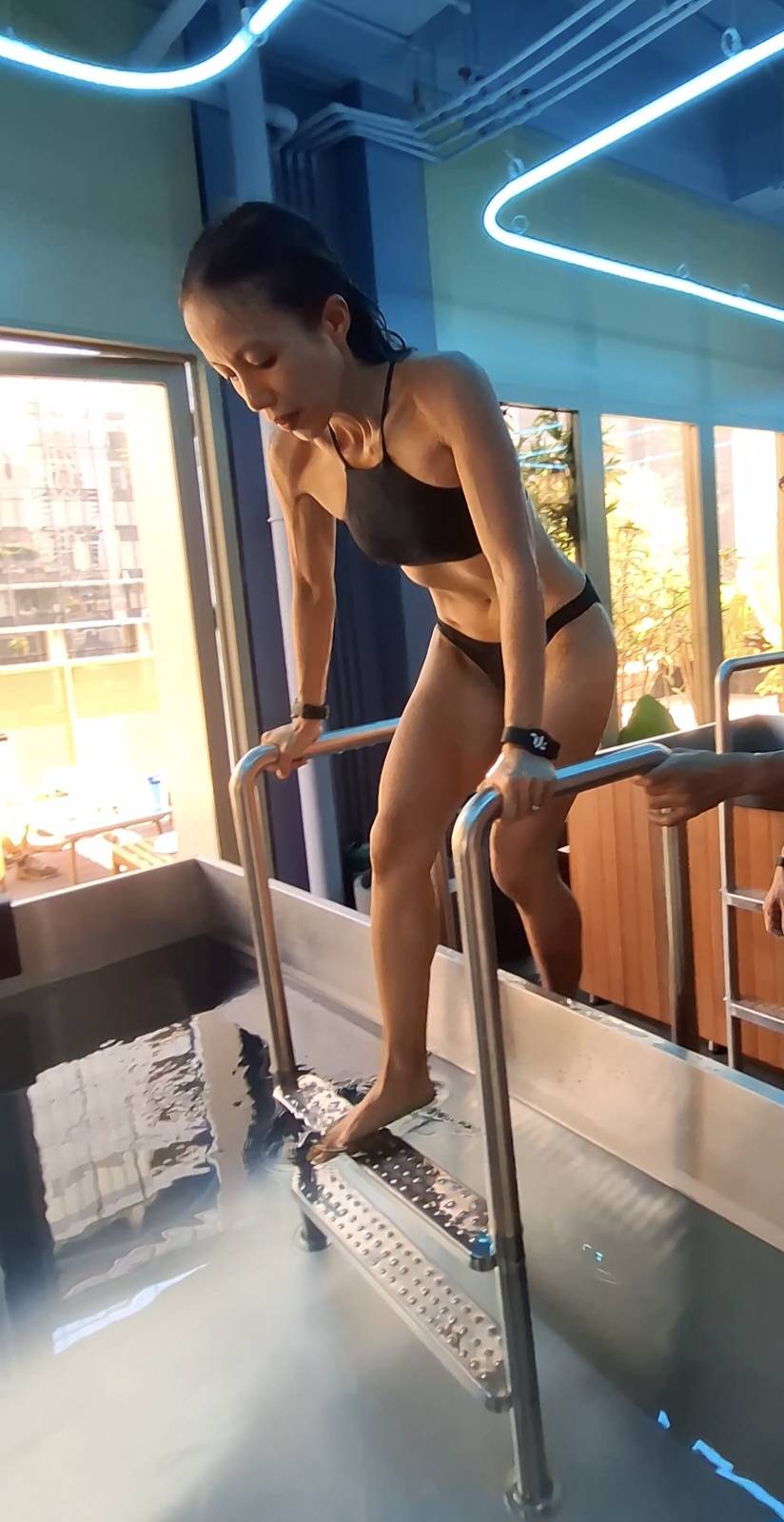
Contrast therapy made manageable
The complete recovery experience was guided with the same level of intention we often see in fitness training, the way instructors coach and motivate people through workouts. In many ways, the practice can be thought of as interval training for the nervous system.
We completed four rounds of 15-minute sauna exposure at about 92°C, alternating with three rounds of two- to three-minute cold plunges at 15°C and 12°C in between.
Before entering the cold water, Javier Pascual, our breathwork instructor, offered the most important reminders: Relax your shoulders, slow your breath, and avoid fighting the cold—because the hardest part is the moment you step into cold water. He guided us throughout the entire experience, which made the once-dreaded cold plunges feel surprisingly manageable, and eventually, even refreshing.
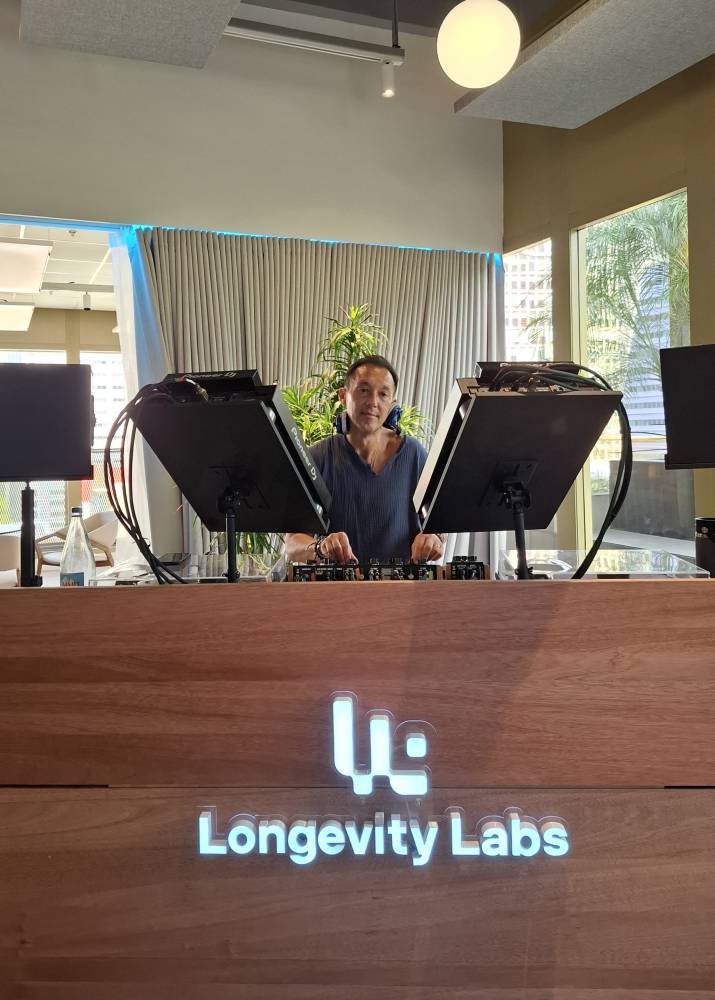
In the final sauna round, Longevity Labs founder David Jacob led a 16-minute mindful breathwork session. With emotional instrumental music in the background, he encouraged us to remain calm and present as the heat gradually built. It felt like a one-of-a-kind session on nervous system regulation, which was supportive and manageable, especially for first-timers like us.
How contrast baths can improve health, metabolism, and resilience
Alternating heat and cold can train the body’s autonomic nervous system, shifting between the sympathetic (fight-or-flight) and parasympathetic (rest-and-digest) states, producing significant physical and mental health benefits
1. Overall health
Research has linked regular sauna bathing, a form of heat exposure, with improved cardiovascular function and circulation, as well as a reduced risk of certain chronic diseases. Heat stress can increase heart rate and blood flow like moderate exercise, while also promoting relaxation and recovery.
On the other hand, cold exposure stimulates the release of catecholamines such as dopamine and norepinephrine, activating the sympathetic nervous system and increasing alertness, mood, and focus.
Switching between heat and cold can also influence inflammation. Exposure to the cold may help reduce swelling, while heat exposure encourages blood flow and supports the delivery of nutrients needed for tissue recovery. Together, these effects may support the body’s natural recovery.
2. Metabolism
According to Dr. Susanna Søberg, a metabolic scientist known for her research on heat and cold exposure, repeated cold exposure may help stimulate brown fat activity and support metabolic health over time.
Unlike the more familiar white fat, which primarily stores energy, brown fat is metabolically active and helps the body generate heat. When exposed to cold temperatures, the nervous system signals brown fat cells to burn energy to produce heat.
Søberg also notes that cold exposure may improve insulin sensitivity, making the body more efficient at managing blood sugar. Brown fat plays a role in this process because it actively takes up glucose and fatty acids from the bloodstream to fuel heat production.

3. Resilience
In life, we cannot completely eliminate the stressors we face, but we can learn to manage our exposure to them. Interestingly, these stressors can also strengthen our resilience when handled well.
At first, we simply tried to cope. Over time, as we become more familiar with the challenge, we adapt and handle it better. But perhaps the most important skill is the ability to return to a balanced state after the stress has passed.
This ability to respond to a challenge and then recover efficiently is known as physiological resilience, and it is where real growth happens. The same principle applies to health and wellness. Our bodies also benefit from small, manageable stressors that stimulate adaptation, a process called hormesis—a beneficial response to mild stress. When these stressors are applied appropriately and matched to our current capacity, the body adapts and becomes stronger.
Exercise challenges the muscular and cardiovascular systems, while brief fasting challenges the metabolic system. Appropriate temperature exposure or contrast baths, on the other hand, trains the nervous system to tolerate acute stress and regulate the body’s response to discomfort.
True recovery capacity improves when the body experiences manageable stress and then learns to return to calm, which can be achieved through consistent practice over time.
A note of caution: If you have cardiovascular conditions, reduced sensitivity to temperature, or are currently experiencing chronic stress, you should consult a healthcare professional before attempting exposure to extreme heat or cold.
******
Get real-time news updates: inqnews.net/inqviber