
6 ways Metro South’s lifestyle scene is expanding

Not too long ago, a drive through Metro South often meant passing through quiet residential stretches on the way to Tagaytay or Cavite’s weekend destinations.
These days, however, that same drive feels a tad different. A café suddenly appears where you remember an empty lot. A mall becomes a dinner stop. A park lights up with joggers and families long after sunset. And somewhere along the way, Metro South stopped being just an area you pass through and started becoming a place where people actually spend time.
Much of that change is unfolding across the 3,500-hectare Villar City, an emerging megacity that spans 13 cities and municipalities across Metro Manila and Cavite.
As its districts continue to take shape, so does a growing network of places where people can eat, gather, play sports, or simply wander around on a slow afternoon.
Here are six ways Metro South’s lifestyle scene is starting to take on a life of its own.
Coffee stops, dinner spots, and places worth lingering in
Excitingly, Metro South is slowly building its own food crawl.
There was a time when dinner plans often meant heading north to the metro. Now, many residents are discovering there are plenty of options much closer.
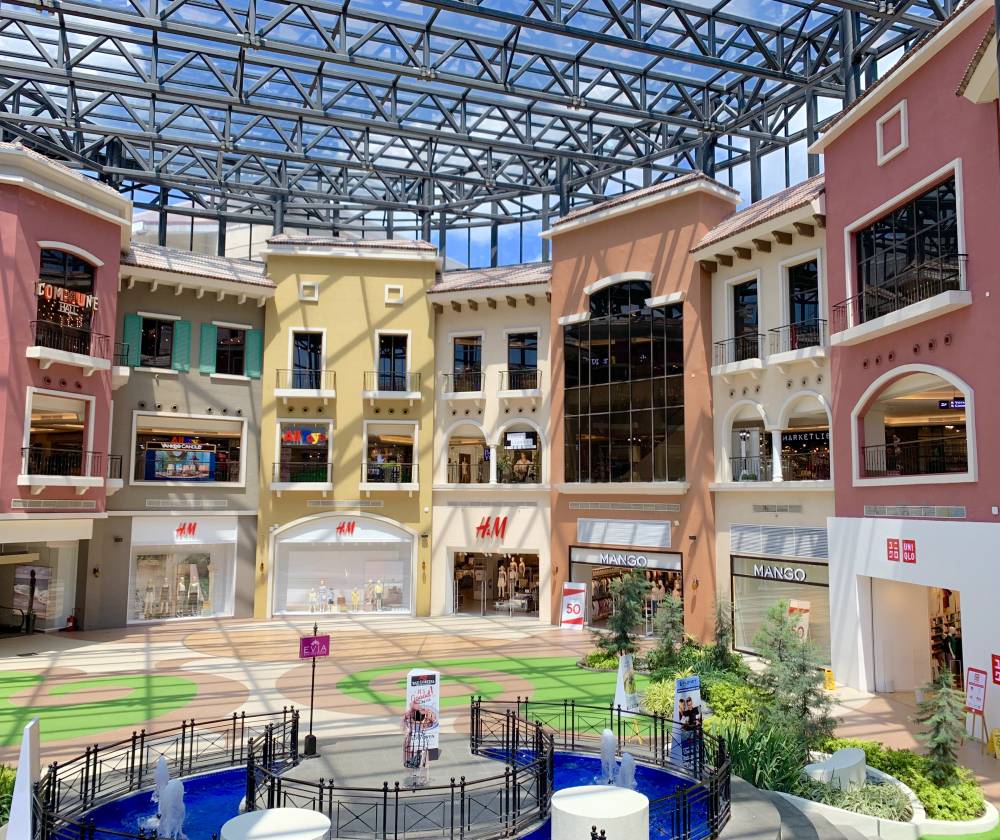
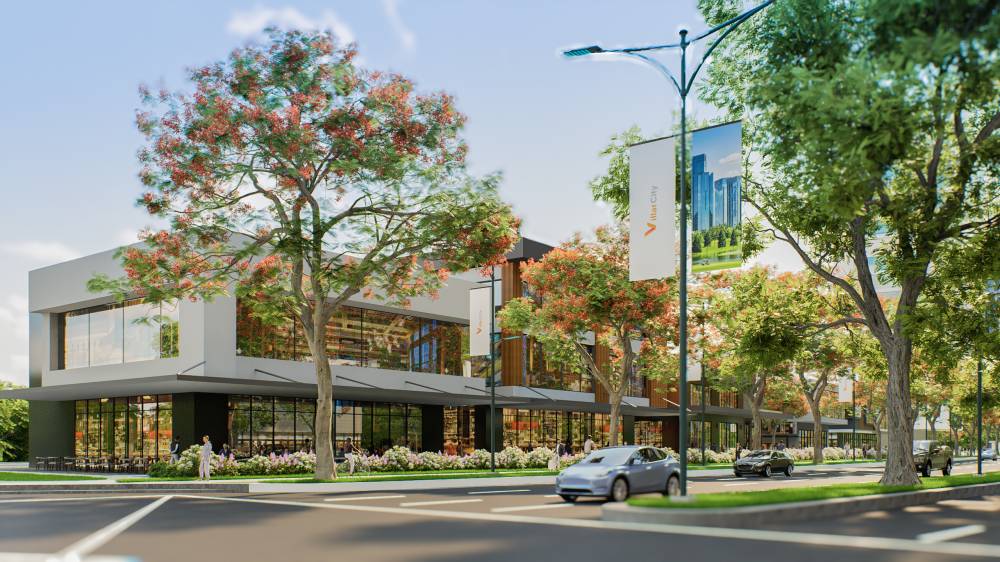
Across Villar City, lifestyle hubs such as Vista Mall branches in SOMO, Tanza, General Trias, Dasmariñas and Silang have become familiar stops for errands and meals. Evia Lifestyle Center in Las Piñas and NOMO Lifestyle Center in Bacoor, Cavite continue to attract visitors from across the southern corridor, as do strip malls like Andersen’s.
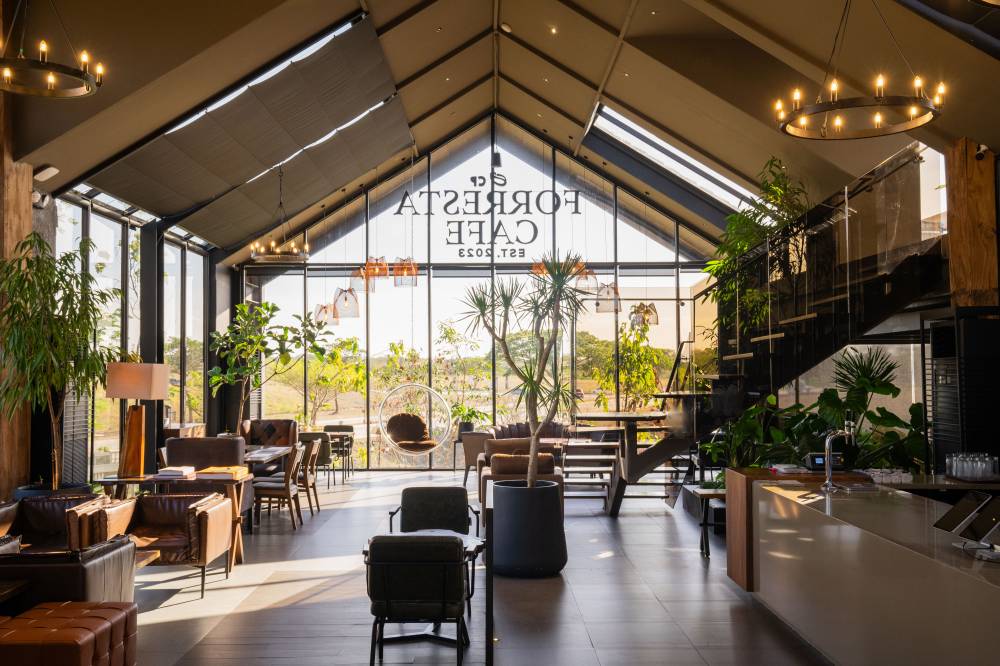
Then there are the dining spots that people actually make plans around—places like Glasshouse, Forresta Café, and Hari’s Filipino Restaurant.
From tee time to game time
Sports facilities are also finding a home in the area.
The Stadium at Villar City, located within the University Town district, is meanwhile preparing to welcome its first games and events. Developed with All-Star Properties, the 30,000-sqm complex will feature a 3,000-seat FIFA-standard football arena along with courts for basketball, volleyball, padel, pickleball and badminton. For sports fans in the South, that means fewer long drives just to watch or play a game.
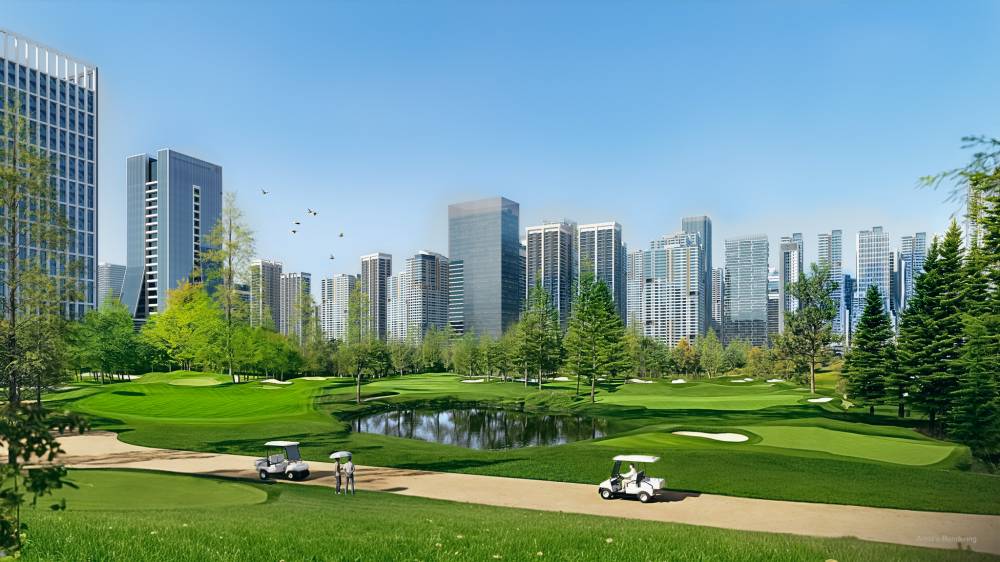
On top of that, two 18-hole golf courses are also expected to attract enthusiasts from nearby provinces and cities, a much awaited addition to Villar City’s growing leisure scene.
Parks where people actually hang out
Green spaces are also becoming part of the everyday routine.
Emporia Active Park in Villar City’s Emporia district blends food carts, walkable paths and upcoming street courts for pickleball and badminton—part market, part playground.
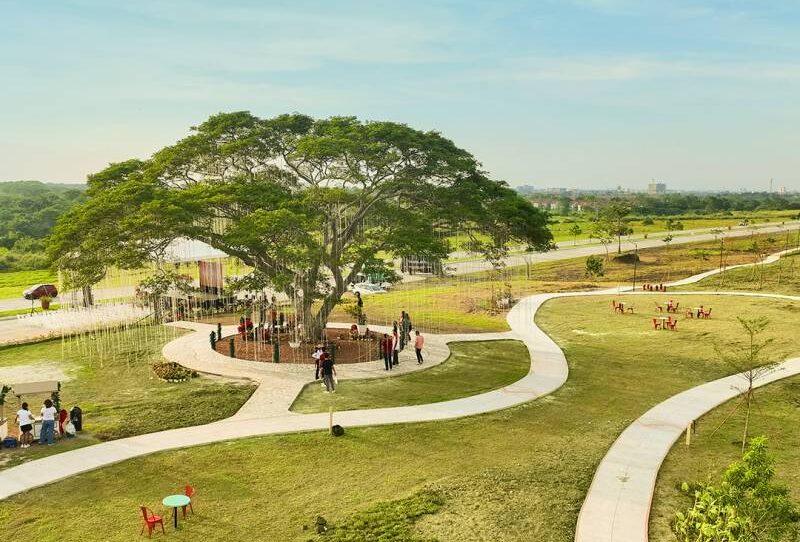
Meanwhile, the Heritage Tree Nature Park offers something a little slower with its benches and trails, where visitors can stretch a walk into an afternoon outdoors.
It’s the kind of place where a “quick visit” can easily turn into a few hours.
Neighborhoods forming around the fun
Of course, lifestyle destinations rarely exist in isolation. They tend to grow alongside the communities that use them.
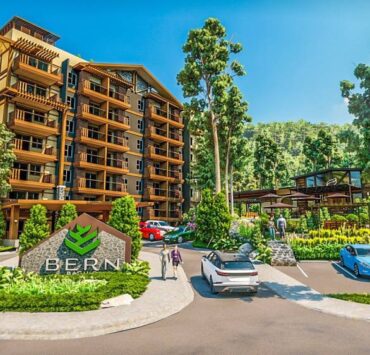
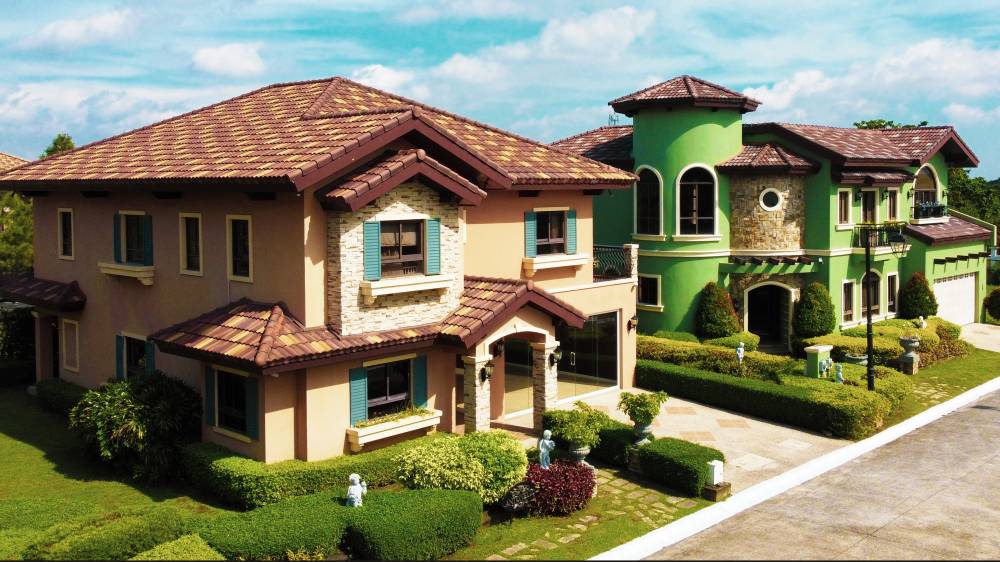
Residential enclaves such as Portofino continue to anchor the area, while upcoming communities including Brittany’s Elara and Ardenne, Crown Asia’s Pontello and Novus Prime Residences are expanding the residential mix. Meanwhile, Forresta, Brittany’s 5-ha enclave, continues its development with green spaces integrated into the landscape.

As more people settle into these communities, the cafés, parks, leisure hubs, and retail centers around them naturally become part of everyday life.
Green spaces still have a place here
Even as the area develops, greenery continues to shape the environment.
Since Villar City’s launch three years ago, 432,000 trees have been planted across the megacity, adding shade and open space to its districts. Within Forresta, air quality readings remain in the good range at 44.77 AQI.
Biodiversity surveys conducted with the Wild Bird Club of the Philippines have also recorded 56 wild bird species within the estate.
Urban growth and green spaces, it seems, can still share the same map.
Best of all, getting around South is now easier
Part of the appeal of these destinations is that they are increasingly connected.
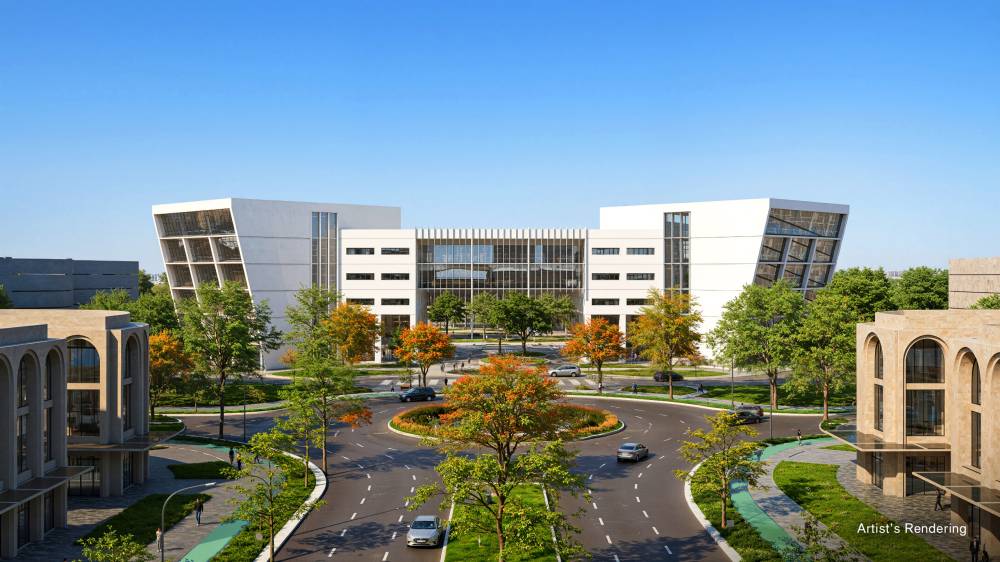
Villar City is organized into several districts—including Evia, Emporia and University Town—grouped into clusters such as Metro North, Metro South and Metro East. Nine major crossings connect these districts, anchored by Villar Avenue, an 18-km, 10-lane corridor that runs across the megacity.
In practical terms, it means fewer zigzag routes and easier drives between neighborhoods, malls, parks and sports venues.
A lifestyle scene unfolding
Villar City is no doubt still taking shape, with districts growing and new destinations opening along the way. But the changes are clear. And for many in Metro South, the next go-to spot may already be closer than they think.