
Staying cool in the metro: What good building design can do


A week ago, I was in Aklan for work. The island’s beaches are among the most beautiful in the country, but between meetings and site visits, there was little time to enjoy them.
What I did notice was how different the air felt—lighter, cooler, and more comfortable than what we often experience in the city.
Summer heat in the metro
When I returned to Metro Manila, the contrast was immediate. Summer heat had begun to settle across the metropolis.
The same is true in many of our growing urban centers, like Metro Cebu, Metro Davao, Metro Iloilo, and nearby Bacolod, and Metro Cagayan de Oro, where condominium living has become a common part of city life.
In many homes today, comfort during the hot season means switching on the airconditioner.
However, architecture itself can already provide many of the solutions we need to stay cool. When buildings are designed with the tropical climate in mind, they can reduce heat, lower energy consumption, and create more comfortable living spaces.
Deflecting heat
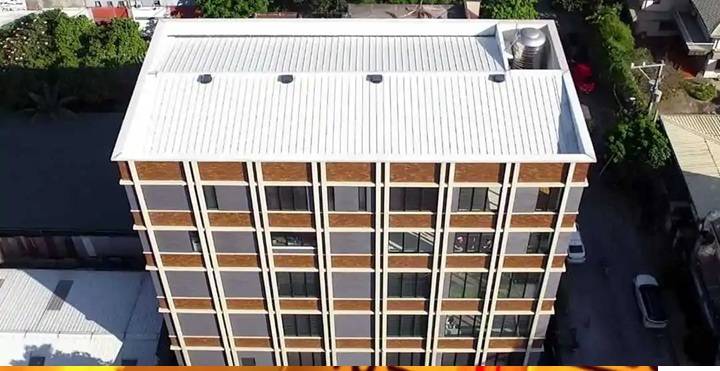
One of the most important factors is the materials used in the building envelope, which include the walls, roof, and exterior surfaces that face the sun.
Lighter colored finishes and reflective coatings help deflect rather than absorb solar heat. Insulated roofs and wall systems can also prevent heat from penetrating indoor spaces. These choices may not always be visible to residents, but they play a significant role in how comfortable a unit feels throughout the day.
Shading elements
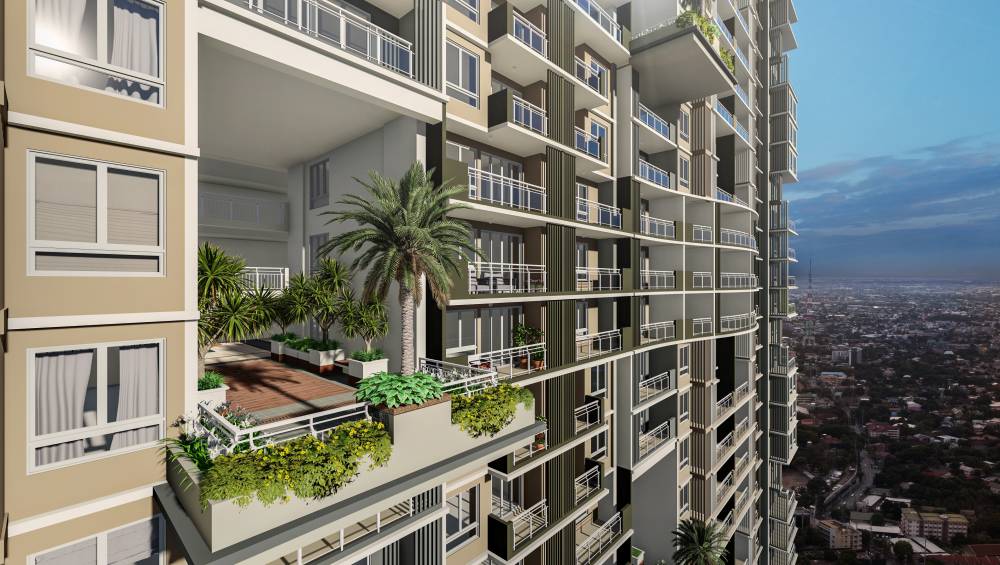
Windows and shading elements are equally important.
Buildings that use efficient glazing systems and incorporate balconies, sunshades, or façade fins can significantly reduce the amount of direct sunlight entering a unit. These features allow natural daylight while limiting heat gain, helping keep interiors cooler even during the afternoon sun.
Passive cooling
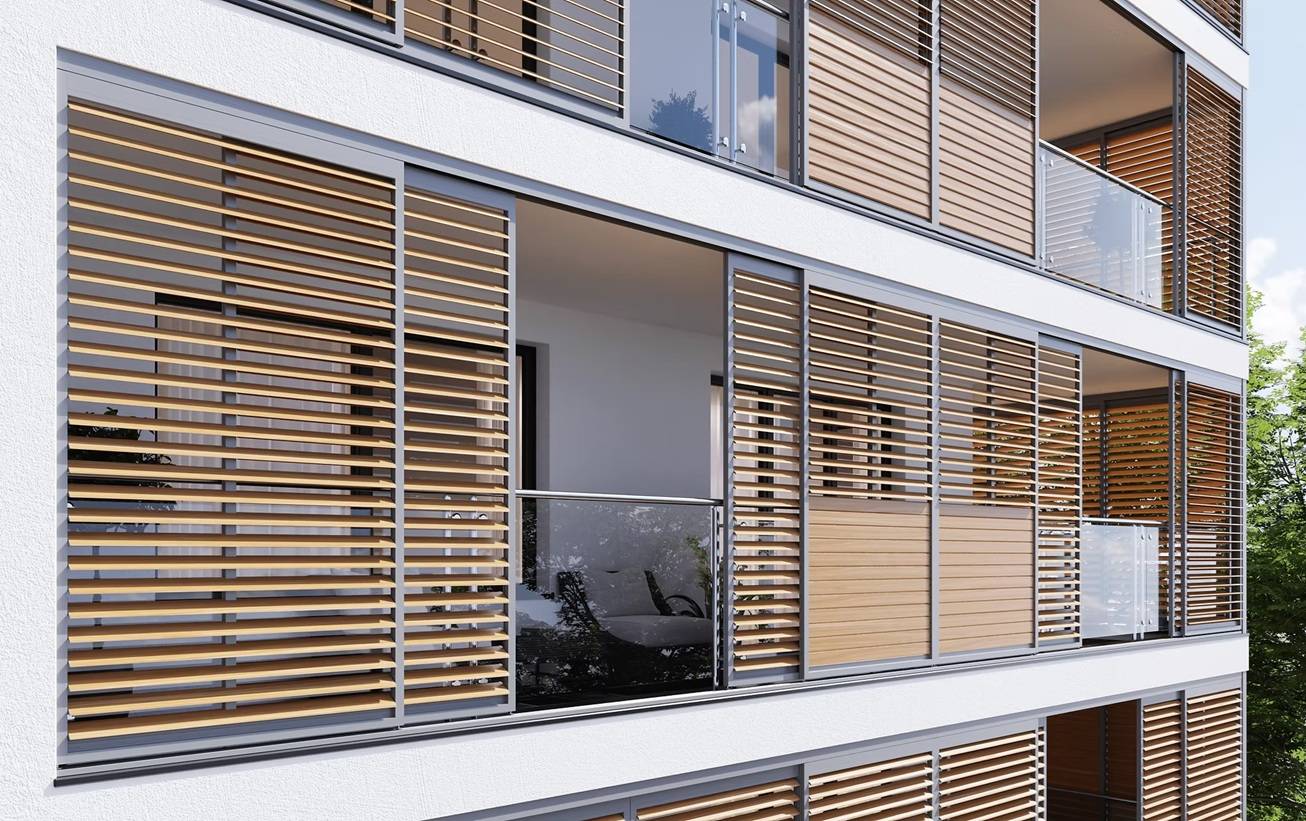
Another aspect of good design is proper ventilation and airflow.
Buildings oriented to capture prevailing breezes and equipped with operable windows allow residents to benefit from natural air movement during cooler hours of the day. This type of passive cooling strategy has long been part of tropical architecture and remains valuable even in modern high-rise living.
Cooling systems can also be designed more thoughtfully.
In well-planned developments, outdoor condenser units are arranged and appropriately ventilated so that hot air can dissipate efficiently. This improves the performance of airconditioning units while reducing unnecessary energy consumption.
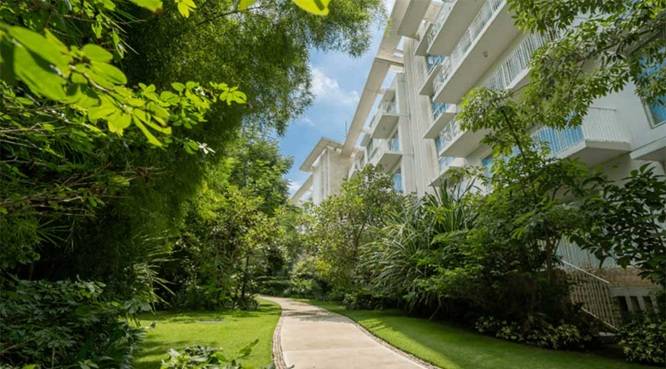
Generous greenery
Landscape design also contributes to comfort. Trees, planted courtyards, and shaded walkways can lower surrounding temperatures and create cooler outdoor spaces.
A development with generous greenery not only looks more inviting but also helps moderate the microclimate around the building.

These design strategies have benefits beyond comfort. They help reduce electricity use, lowering residents’ monthly utility costs. They also reduce the environmental impact of buildings by lowering the energy required to cool interior spaces.
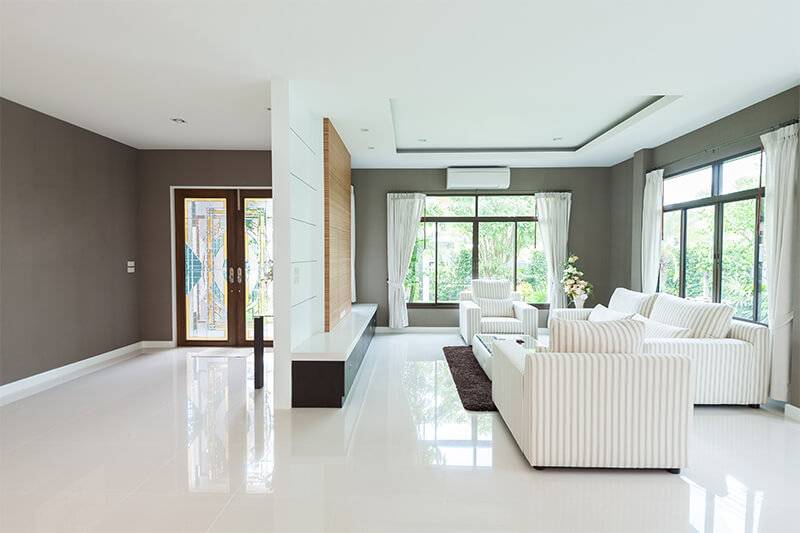
Resilient spaces
These also contribute to resilience. During power interruptions or energy supply disruptions, buildings that incorporate natural ventilation, shading, and insulation are able to maintain tolerable indoor conditions even without continuous mechanical cooling.
For condominium buyers, these are helpful questions to ask developers: What type of glass is used? Are roofs and walls insulated? Can windows open safely for ventilation? How are airconditioning units ventilated? Are there trees or shaded open spaces within the development?
As our cities continue to grow, the way we design buildings will play an essential role in how comfortable urban living can be.
Summer in the Philippines will always be warm, but thoughtful architecture, guided by climate-responsive design and appropriate materials can help our homes remain cool, efficient, and livable.
Sometimes the best cooling system begins not with a machine, but with the design of the building itself.
The author is a USGBC LEED fellow, UAP Notable Architect Awardee, Asean architect, educator, with more than 25 years of experience in architectural and interior design, corporate real estate, construction, property, and facilities management