










LGUs shift to 4-day workweek amid energy crunch

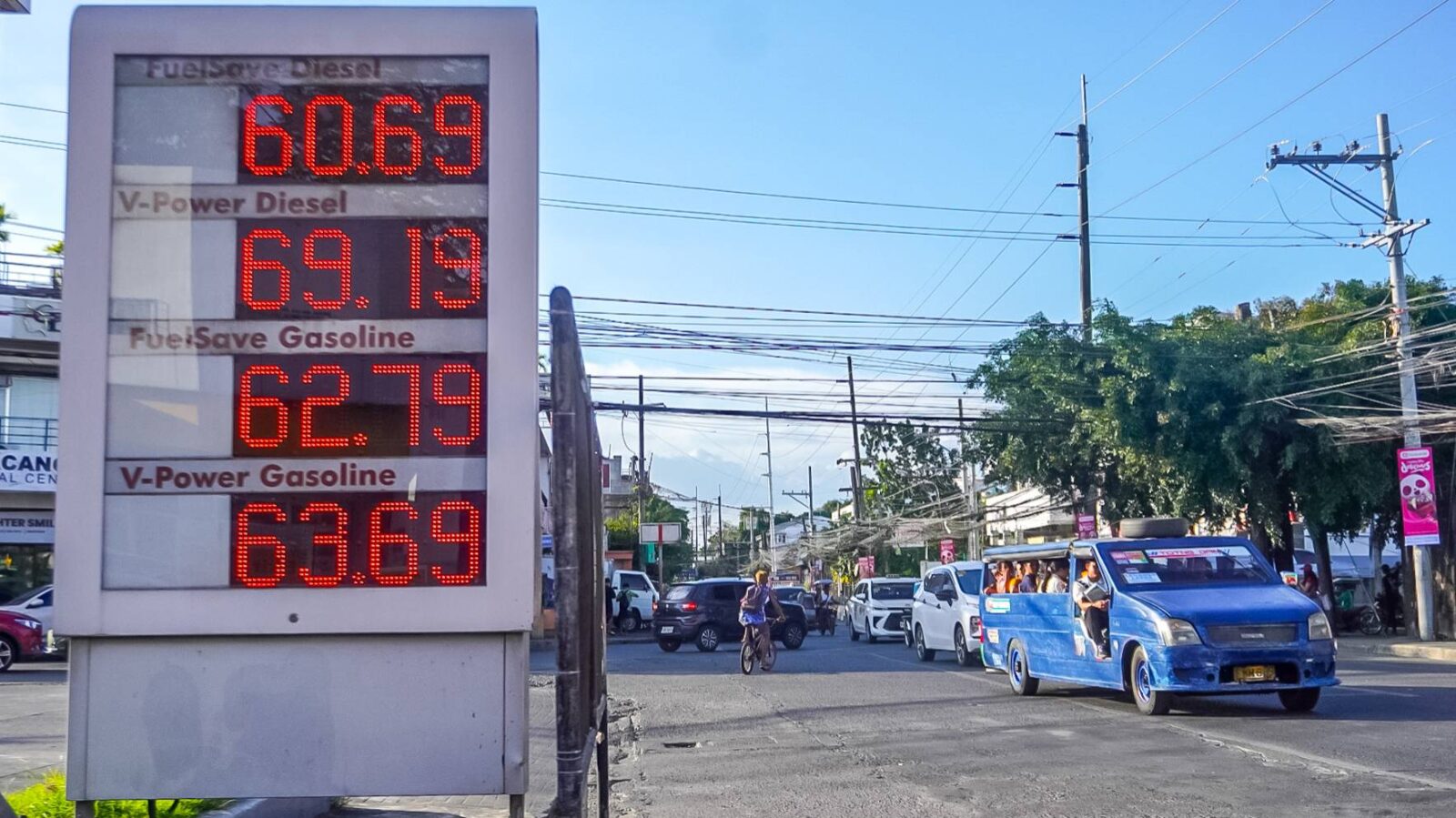
OLONGAPO CITY—Government offices nationwide are adopting compressed four-day workweeks and fuel conservation measures amid rising global fuel prices triggered by escalating tensions in the Middle East. The adjustments aim to reduce electricity and fuel consumption while maintaining public services.
The Department of Tourism (DOT) in Central Luzon will implement a four-day on-site workweek starting today under Department Order No. 2026-0013. Employees will work Monday to Thursday, 7 a.m. to 7 p.m., with Fridays as nonworking days.
Offices providing critical services, such as health, public safety and disaster response are exempted.
“Everyone is advised to follow the new schedule while ensuring essential services continue without interruption,” the DOT advisory said.
In Olongapo City, Mayor Rolen Paulino Jr. ordered stricter fuel conservation for all government vehicles, limiting use to official and essential purposes.
Practical measures
“As responsible stewards of public funds, we must adopt practical measures to ensure resources are utilized efficiently and sustainably,” he said in an advisory.
Several local governments in Quezon province will also adopt four-day workweeks. Gumaca Mayor Webster Letargo said offices would operate on Monday, Tuesday, Thursday and Friday, 7 a.m. to noon, then 1 p.m. to 6 p.m., with Wednesday off.
In Oriental Mindoro, Gov. Humerlito “Bonz” Dolor announced that provincial offices would operate Monday to Thursday, 7 a.m. to 6 p.m.
Dolor said a meeting of department heads was held to explore additional steps to conserve fuel amid global supply concerns.
Residents welcomed the change. Samantha de Castro, a psychometrician in Calapan City, said: “Four-day workweek is OK with me to save on transportation expenses.”
Grace Selda, an administrative officer, added: “Longer work hours could be tiring for us workers. If work hours will be lessened, the four-day [work] week will be acceptable.”

‘Acceptable’
Health insurance broker Vivian Portuito, a working mother, said she supports the arrangement as long as compensation is not reduced.
In the Negros Island Region, Negros Occidental Gov. Eugenio Jose Lacson ordered a compressed four-day workweek starting March 16. Provincial offices will operate Tuesday to Friday, 8 a.m. to 7 p.m., fulfilling the 40-hour workweek, while minimizing energy use.
Lacson also mandated stricter energy protocols, including turning off unused equipment, limiting official travel and promoting virtual meetings.

Bacolod City Mayor Greg Gasataya issued similar measures, while Roxas City Mayor Ronnie Dadivas directed all city departments to adopt fuel-saving measures, limit nonessential travel and ensure official trips are documented and justified.
In Central Visayas, the provincial government of Bohol will adopt a four-day on-site schedule starting today, with employees working Monday to Thursday, 7 a.m. to 6 p.m.
Eastern Visayas cities, including Maasin in Southern Leyte and San Isidro in Northern Samar, will implement similar schedules, excluding essential health, safety and emergency offices. DOT regional offices will follow the same arrangement.
In Mindanao, Sultan Kudarat and Cotabato provinces will adopt new work schemes starting today. Gov. Datu Pax Ali Mangudadatu allowed a four-day on-site schedule or a one-day work-from-home arrangement, limiting official travel to essential functions.
Gov. Emmylou Taliño Mendoza of Cotabato also implemented the four-day schedule. Both governors recognized that health, public safety and emergency personnel remain unaffected.
President Marcos’ directive under Memorandum Circular No. 114 seeks to reduce government energy use and ease the impact of volatile global fuel prices. —REPORTS FROM JOANNA ROSE AGLIBOT, DELFIN T. MALLARI JR., MADONNA T. VIROLA, LEO UDTOHAN, JOEY A. GABIETA, HAZEL P. VILLA, CARLA P. GOMEZ AND BONG S. SARMIENTO