





BOC digitizes car import system

The Bureau of Customs (BOC) has launched a new digital certification platform to automate the validation of duties and taxes on imported vehicles, a move seen to prevent a repeat of the Discaya family’s luxury cars smuggling case.
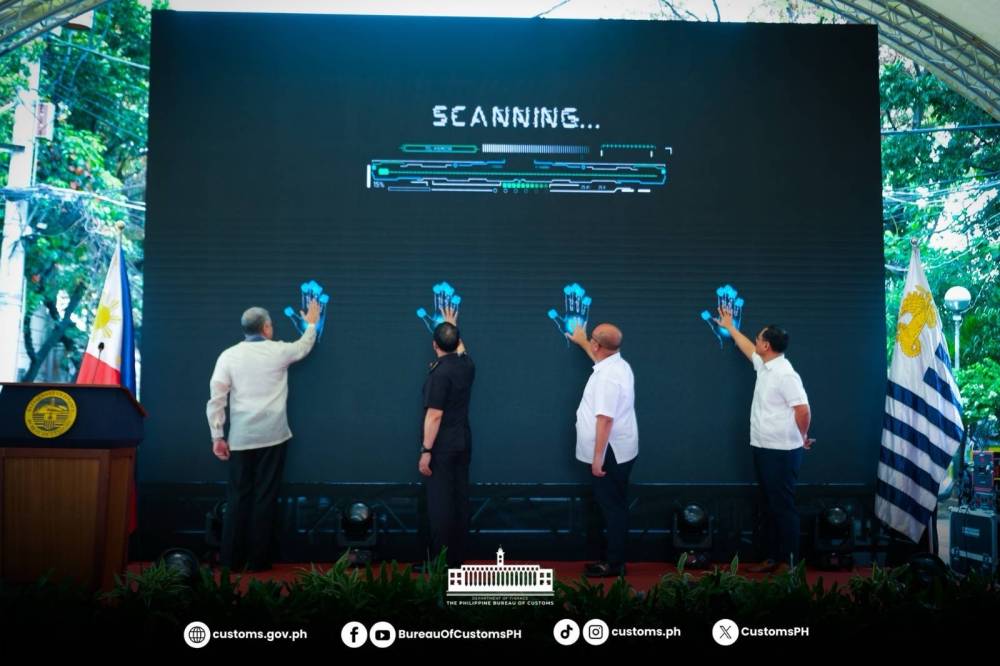
The platform, called the Electronic Certificate of Payment (e-CP) System, converts the previous manual process into an automated, real-time platform for the submission, processing and transmission of information on imported motor vehicles, including their components and parts.
It now directly links the BOC with the Land Transportation Office (LTO), streamlining coordination between the two agencies and minimizing issues tied to manual validation.
On the LTO’s end, the e-CP system also features a feedback mechanism integrated with the agency’s Land Transportation Management System (LTMS), enabling automatic updates on registered license plates and other vehicle registration details.
“The new e-CP System is a clear demonstration of the Bureau’s commitment to modernization and whole-of-government collaboration,” BOC Commissioner Ariel Nepomuceno said.
“By automating validation, eliminating redundant processes and ensuring real-time data exchange with the LTO, we are making customs transactions faster, more secure, and more transparent for our stakeholders,” he added.
LTO Assistant Secretary Marcus Lacanilao, meanwhile, said the system would help create a “more integrated and modern public service.”
“For many years, inter-agency coordination relied on manual processes in separate systems, but the growing scale of transactions now requires more integrated approaches,” he said.
Prior to the rollout, the BOC relied on manual validation, limited automation and fragmented data sharing between agencies, with coordination handled separately by customs and the LTO.
Earlier, Nepomuceno told the Inquirer that the new e-CP system would address weaknesses in the previous process that had allowed the release of smuggled luxury vehicles linked to the embattled Discaya family, which were later seized by the BOC for violating the Customs Modernization and Tariff Act (CMTA).
He explained that the earlier process required importers to secure an Authority to Release Imported Goods (ATRIG) from the Bureau of Internal Revenue (BIR). However, the ATRIG could easily be overridden by port collectors, allowing for a tentative release with no more follow-ups.

The new system prevents such overrides by assigning a transaction tag that identifies the user responsible for each action in the platform, improving accountability.
Further, the e-CP system enhances the BOC’s existing Electronic-to-Mobile (E2M) system by automatically validating payment records and Single Administrative Document (SAD) details while allowing stakeholders to track their application status in real time.
The platform is the latest initiative in the BOC’s broader digitalization drive as the agency aims to become fully digital by 2027.
It is the fourth system introduced under the initiative, following the ePay Portal for duties and fee payments, the “Isumbong kay Commissioner” complaints platform and the Online Tax Estimator.
At the center of this reform is the Customs Processing System, a digital submission portal expected to roll out in the first quarter of next year. The system aims to automate customs declarations, risk assessments, payments, and other core services into a fully paperless platform.