



Snow issues at Paralympics raise concerns

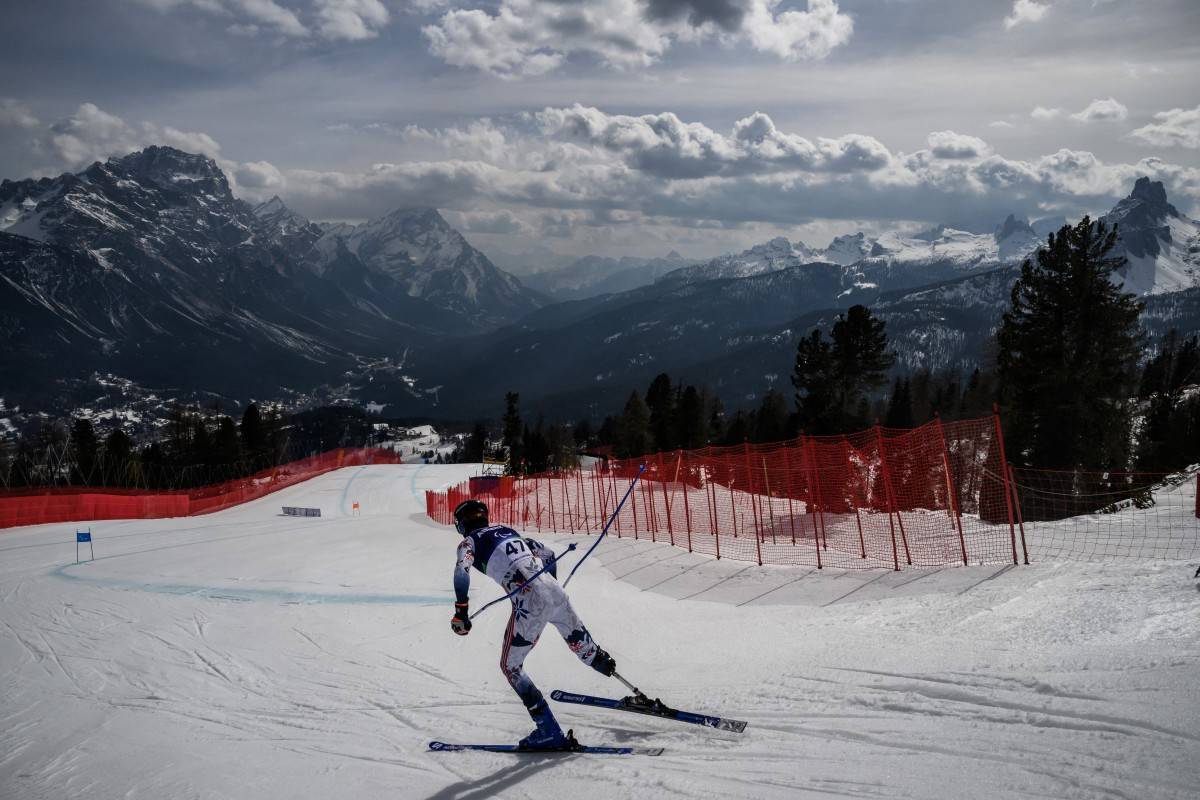
The Milan Cortina Winter Paralympic Games are taking place amid concerns over the amount and quality of snow at venues, as global warming raises questions about holding the sporting event in March in many parts of the world.
Backdropped by the Dolomites of northern Italy, the games are being held on partly artificial snow amid unseasonably warm conditions, which some athletes say are creating slushy surfaces that are hard to compete on, with even seasoned skiers falling during events.
Debates have continued over whether to bring the timing of the Winter Olympics and Paralympics forward a month each from February to January and March to February, respectively.
Artificial snow
Average March temperatures in Cortina d’Ampezzo, which is home to the largest number of events at the Paralympics, have risen 3.6 degrees Celsius in the 70 years since 1956, when the town hosted the Winter Olympics, according to nonprofit organization Climate Central.
Already, Olympic and Paralympic games have for decades used artificial snow to respond to a warming world. At the 2022 Beijing games, almost all the snow was artificial.
“I think long term, then we really have to be aware of the impact that climate change can have on the winter games,” said International Paralympic Committee Chief brand and communications officer Craig Spence. “But I think in terms of these games, the sports performances are still great.”
Several athletes, however, have offered a less positive assessment of the current snow conditions.
On Wednesday, Japan’s Taiki Kawayoke, who finished fourth in the Para cross-country skiing men’s 10-kilometer interval start classic standing, called it “the toughest situation I had ever faced,” as snow reached his ankles.
Also during alpine sit-skiing last Saturday, numerous experienced athletes fell in the men’s downhill, with only 11 of more than 20 competitors completing the course.

Hotter than expected
Japanese Taiki Morii, a seven-time Paralympian, was among the athletes to tumble on the slopes. “My ski is getting more airtime than last year,” he said, adding that a lack of snow has exposed the uneven ground beneath.
Japanese delegation head and Paralympian Kuniko Obinata expressed doubt over whether the games can continue to be held in their current timeframe.
“We came prepared for it to be quite warm, but even so it has been hotter than expected,” she said. “It’s getting difficult to hold a Paralympics in a location with snow in March.”
A report published in January by a team led by Daniel Scott, a professor at the University of Waterloo in Canada, said that, of the 93 past and potential host locations for the Winter Paralympics, only 17 to 31 would be viable by the 2050s, falling to between four and 31 in the 2080s.