










Ruby Bernardo: The teacher as leader

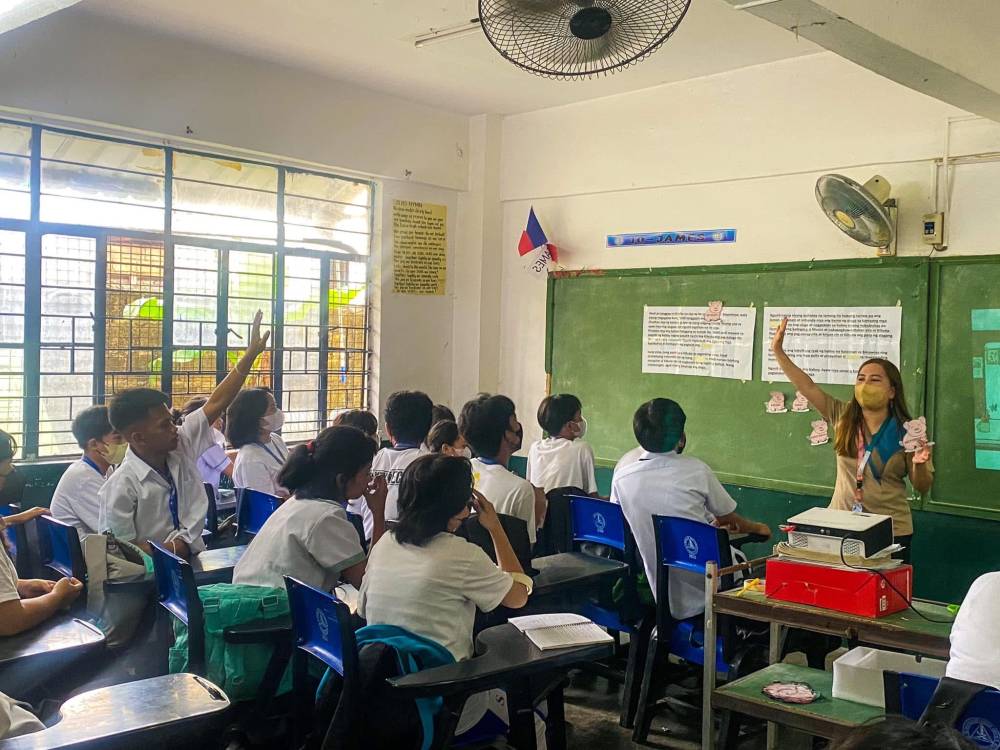
At a young age, Ruby Bernardo had experienced the hardships of being a teacher—from getting a measly wage and lacking benefits to the mismatch between her subject assignment and educational specialization.
In 2011, fresh from the Philippine Normal University (PNU)at 19, her first job was at Good Shepherd Cathedral School in Quezon City as the school’s youngest teacher. She taught Grade 6 students Filipino and also art studies, which she didn’t specialize in.
For a year, she endured her small pay as she helped her mother, a single parent, care for her two sisters. As the eldest child, Bernardo had the daunting task of having to pay for their education—one in high school and the other in grade school—with her monthly salary of P9,000.
“It was definitely hard for me,” Bernardo told the Inquirer. “As the eldest, I had to send my two siblings to school and most of my salary would go to their studies.”
Equal to shoe budget
She recalled a conversation with one of her students who was shocked to learn how little teachers were paid.
“The student told me that my salary was just her budget for her new shoes and I was so stunned at that time,” she said. “At that moment, I really wanted to leave [Good Shepherd].”
The opportunity came when Bernardo transferred to Holy Spirit National High School, a public school in Quezon City. But the catch was she would be contractual and would receive her salary after six months since she had not yet passed the licensure exam.
Not only that, she had to go through the bureaucratic maze of submitting various documents, including clearances from the City Hall, which releases the pay for contractuals like her.
After passing the licensure exam for teachers a year later, Bernardo secured a permanent position as a teacher at Sta. Lucia High School, also in Quezon City, a job the 33-year-old has held for almost 12 years now.
Bernardo did not let the hardships of being a poorly paid private instructor and a contractual public school teacher break her. Instead, these molded her into being both a better teacher and an activist.
Being a teacher wasn’t Bernardo’s original dream job. She wanted to be a journalist since high school when she joined the campus paper and national school journalism contests.
But because of the high tuition in colleges offering journalism and the low acceptance rates for the course in some public schools, Bernardo enrolled at PNU where she earned a Bachelor of Secondary Education, major in Filipino.
‘Aha!’ moment
At PNU, she was an active member of the PNU Movement for Change, an organization of education students.
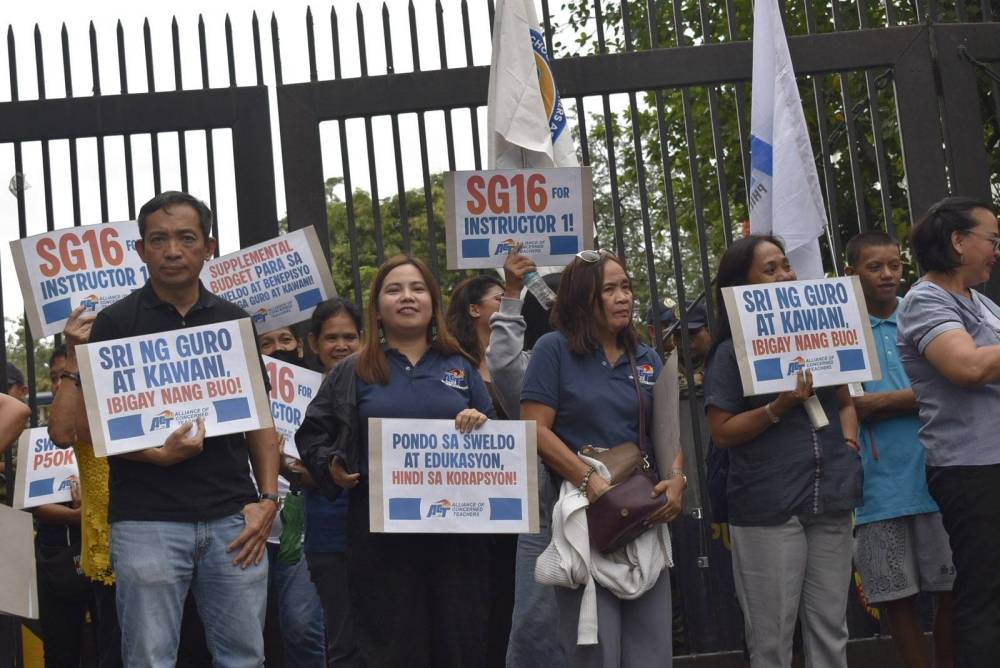
After finishing her studies and landing at Good Shepherd, Bernardo volunteered with the Alliance of Concerned Teachers (ACT) as a teacher to indigenous and peasant communities.
At Hacienda Yulo in Laguna, Bernardo came to realize that she wanted to pursue a teaching career after seeing the children of farmers “thirsting for knowledge” and wanting to learn how to read and write.
“Even the parents of the children there were really eager to learn, so that was my ‘Aha!’ moment—that a teacher is really needed in the community,” Bernardo said.
From there on, she became a full-fledged ACT member and a founding member of ACT Private Schools, which assists teachers in private institutions in dealing with their needs and problems.
Bernardo was one of the key ACT members who pushed for the removal of the contractual status of teachers in public schools, a move that was boosted by their representative in the ACT Teachers party list.
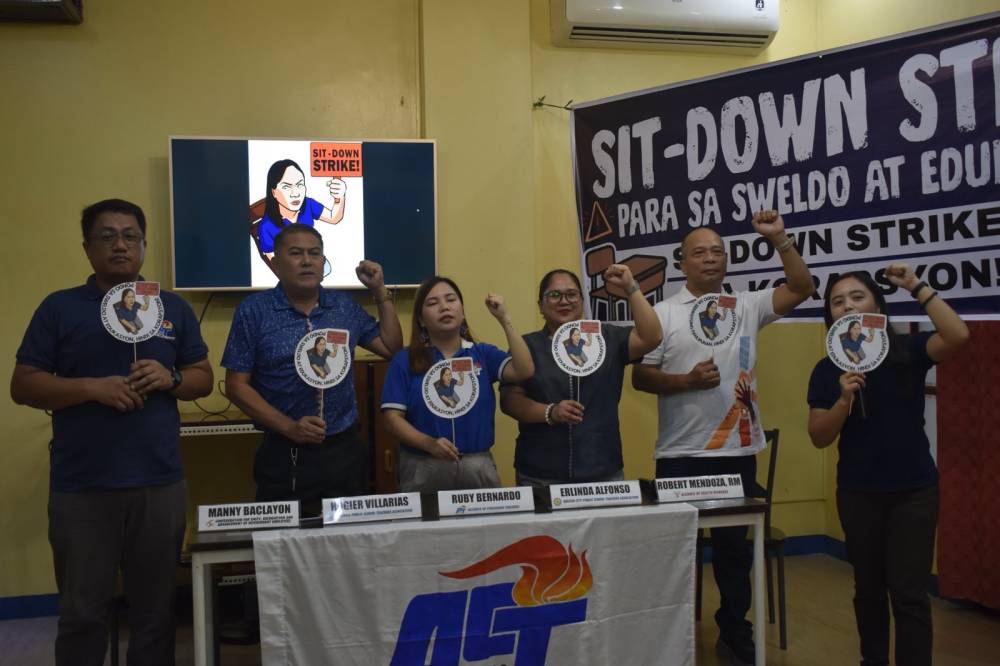
She was also actively involved with the teachers’ faculty club in Quezon City. She was later elected president of ACT-NCR Union, which oversees collective bargaining agreements with the Department of Education (DepEd) in Metro Manila.
In October 2025, Bernardo was elected chairperson of the entire ACT, making her the youngest female teacher to lead the organization of over 180,000 members across the country.
She is the focal person for the Asean Women’s Network under the global federation of teachers’ union called Education International, contributing to Southeast Asia’s initiatives in advancing women’s leadership and rights in education.
Teachers’ Protection Act
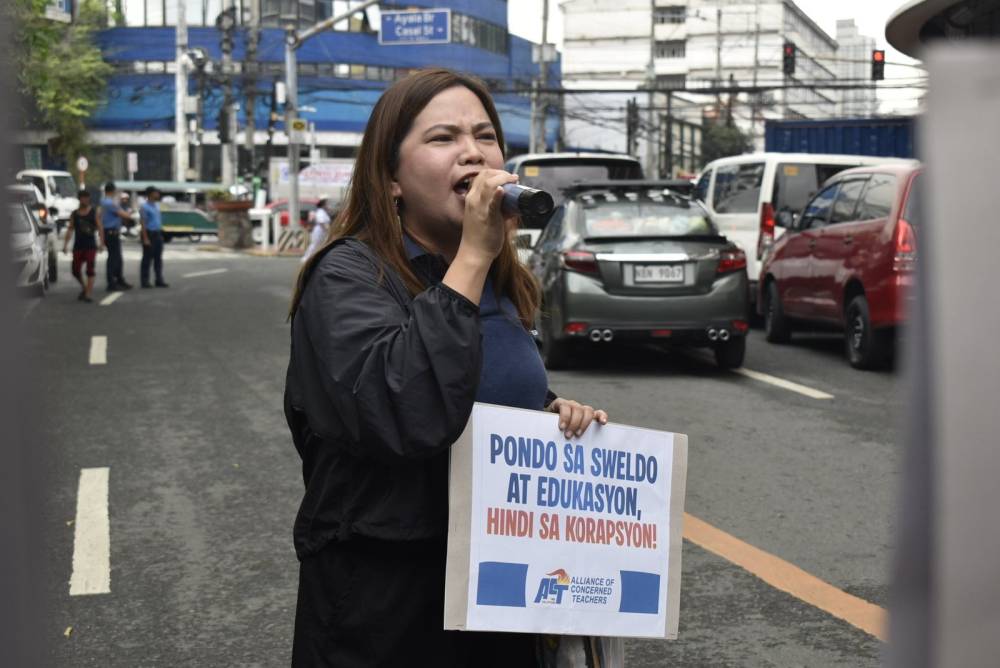
As ACT leader, Bernardo has been pushing the group’s years-long campaign to raise entry level teachers’ salary to P50,000 while pressing the DepEd and the Department of Budget and Management for better benefits for teachers.

“ACT’s focus is more on organizing in public schools and I really wanted teachers to unionize. I saw the hardships both in public and private schools, and all I want is for teachers to unite so we can make a change,” she said.
Another priority is the passage of the Teachers’ Protection Act, which will help some teachers with problems caused by the “abuse” of Republic Act No. 7610, or the Special Protection of Children Against Abuse.
Bernardo cited a case where a teacher was charged with violating the law just for telling her student, “Ang tagal kitang hindi nakita (It’s been a long time since I last saw you).”
According to Bernardo, the student felt embarrassed at that time, prompting the student’s mother to sue the teacher. The matter was settled after the teacher agreed to pay P200,000 in damages. But the same parent sued another teacher and asked for the same amount.
“We have nothing against the law protecting our students, but it’s another thing if the law is being abused by these kinds of parents,” she said.
Surrendered ATMs
Bernardo said one of the reasons for campaigning for a minimum P50,000 salary is to free teachers from debt. She was saddened knowing that some public school teachers had to “surrender” their ATM cards to money lenders.
More than their campaign for better salaries and benefits, Bernardo wants to break the stereotype of teachers being a “Miss Minchin,” the nasty headmistress in the “Princess Sarah” television series in the 1990s.
For so long, Bernardo said teachers were often portrayed as a cold and strict character wearing pointed eyeglasses with hair tied in a bun and wielding a stick.
She said that teachers also have another face—that of a mentor undaunted by challenges and who fight for the rights of both educator and learner.
“We are not ‘just’ teachers, we are teachers who have been here for so long teaching the next generation and instilling in them what needs to be fought for,” Bernardo said.