










Looking North: Lessons in growth outside Metro Manila

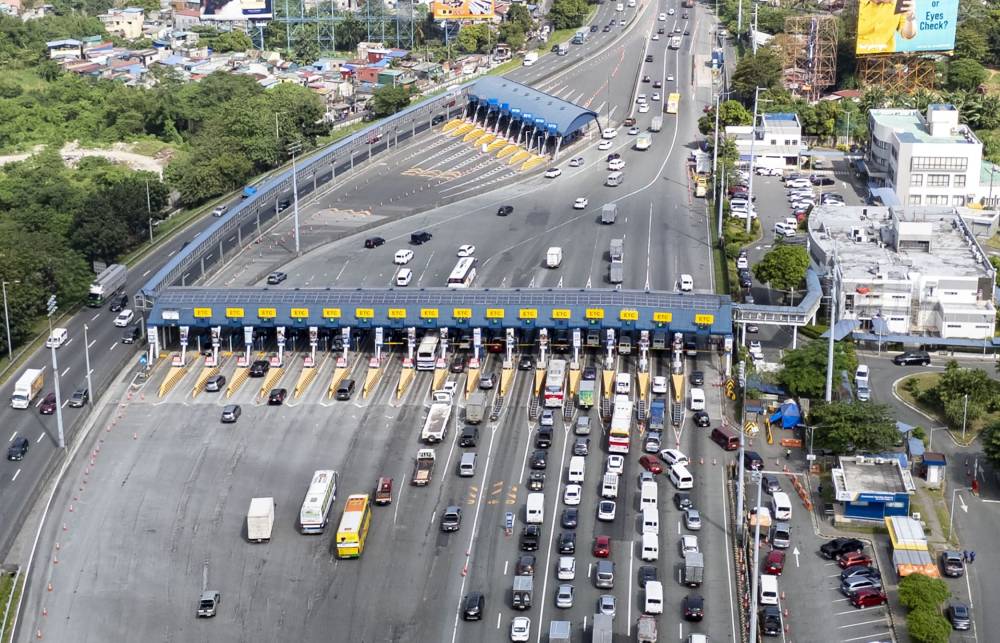
We often assume that better places to live must be found farther away from cities.
Yet just beyond Metro Manila, some of the most compelling demonstrations of how growth and identity can coexist are already quietly taking shape.
Pampanga is one of them.
Economic proximity
Across the country, similar provinces are showing how regional growth can complement rather than compete with Metro Manila.
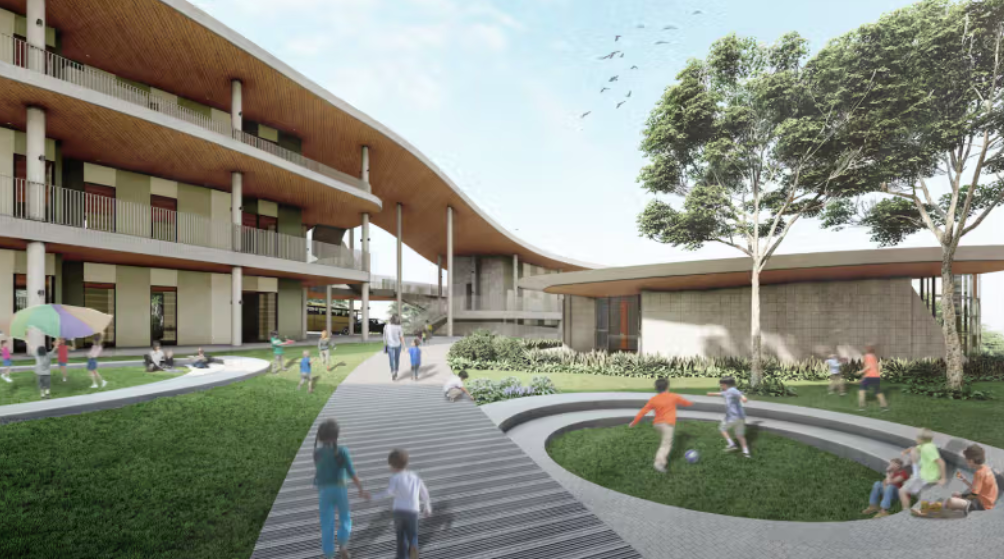
With today’s expressway network, what once felt distant now feels connected. Pampanga benefits from economic proximity while maintaining a strong local character—showing how development and cultural continuity can coexist.
For years, Pampanga was defined by lahar from Pinatubo. Today, these same areas reflect recovery and steady progress. Communities have expanded, businesses have flourished, and new developments show long-term confidence.
Center of commerce
Yet what stands out is not simply the growth, but what has remained constant.
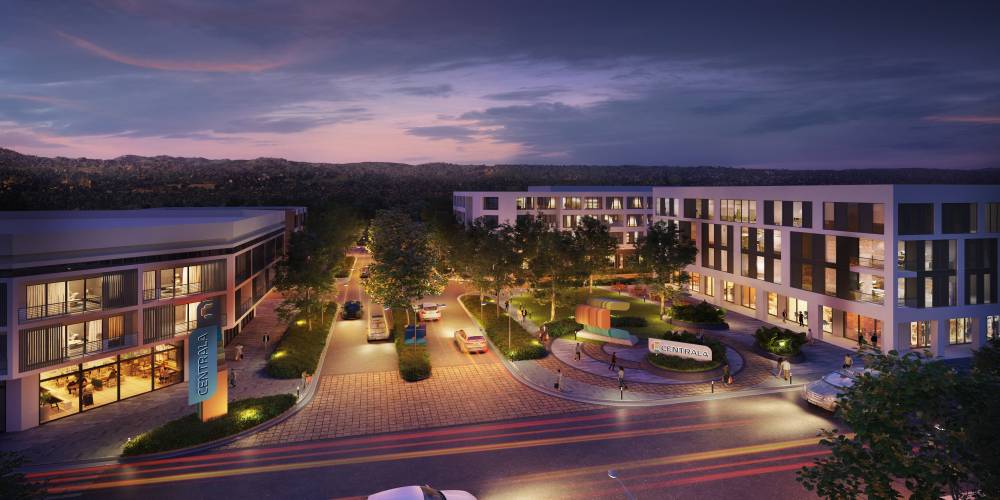
San Fernando City continues to thrive as a center of commerce and governance, while nearby towns like Guagua, Lubao, Porac, and Betis demonstrate how development can happen alongside enduring cultural identity.
Geography and history help explain this resilience. Pampanga’s river systems once enabled trade and settlement, encouraging the exchange of skills and traditions. Spanish, Chinese, and American influences helped shape a society that remains both rooted and adaptable.
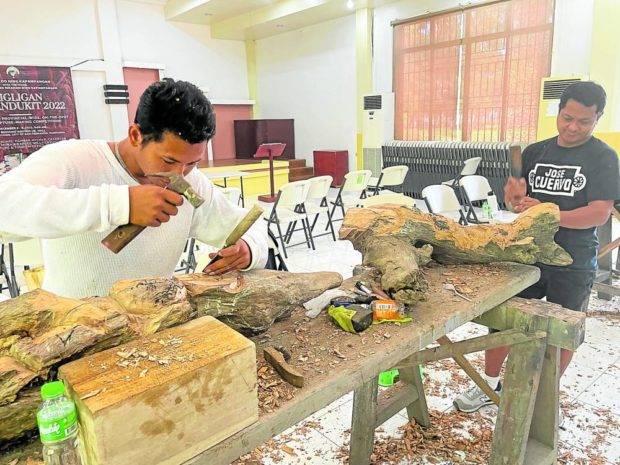
Craftsmanship remains deeply embedded. From Betis woodcarving to the care seen in both ancestral and modern homes, a culture of workmanship persists. Many skilled Kapampangans continue to support Metro Manila’s construction sector, bringing with them this tradition of quality.
There is also a shared appreciation for beauty, not as luxury, but as a standard. Well-kept homes and maintained communities suggest a belief that the built environment reflects collective values.
Heritage and resourcefulness
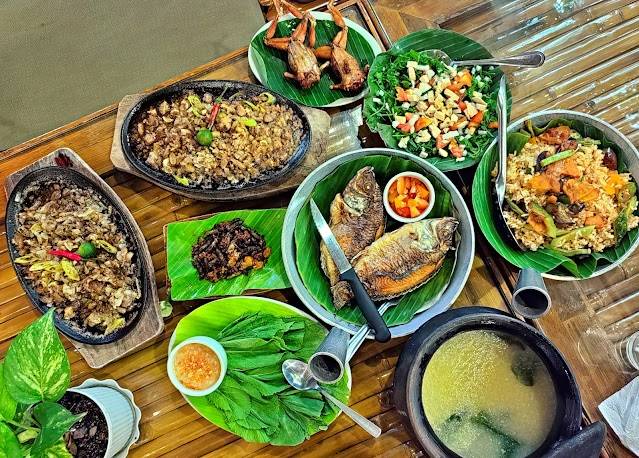
Food tells a similar story. Pampanga’s culinary reputation reflects heritage and resourcefulness, shaped by fertile land, river systems, and generations of tradition.

Many Kapampangans pursue careers elsewhere but maintain strong ties to home. Ancestral houses remain active, weekends bring families back, and identity stays anchored to place.
This also raises a practical question for businesses and professionals. As congestion and costs rise in Metro Manila, nearby provinces like Pampanga offer accessibility, skilled labor, and room to grow. Clark’s emergence as a logistics and aviation hub further strengthens its role in the country’s growth corridor.
Sense of place
Today, Pampanga shows that growth and identity need not compete. Its accessibility and strong community character. demonstrate how development can reinforce rather than erode a sense of place.
Perhaps provinces like Pampanga suggest a different way of thinking about growth, not as expansion outward, but as strengthening what already works.
The author is a LEED Fellow, ASEAN Architect, and educator with over 25 years of professional practice in architecture and sustainability