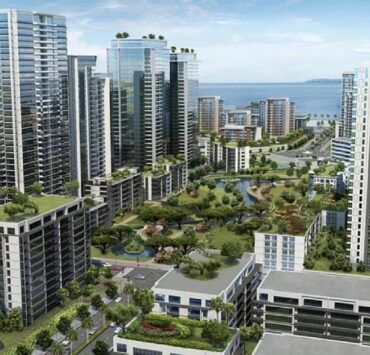







A community built around opportunity

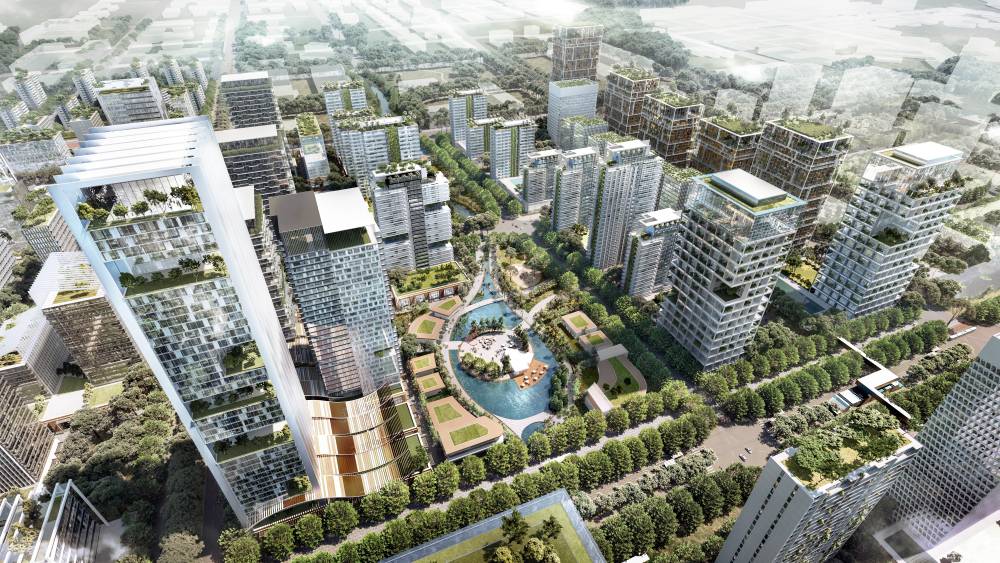
Communities thrive when opportunity is close to home.
This belief frames the development approach of Filinvest Land, whose nationwide footprint now exceeds 3,000 hectares, transformed into residential communities, business districts, lifestyle centers, and industrial estates. That scale matters because it shows an urban model at work across different regions and asset classes.
Proximity here is not just a matter of convenience. It is a land use strategy that supports labor access, commercial activity, and regional economic resilience.
Proximity
In planning terms, proximity reduces friction. It shortens travel time, improves access to labor, supports commercial absorption, and strengthens the viability of surrounding residential stock.
A district with homes, offices, retail, and industrial uses in practical relation gains a steadier daily cycle. Workers can more easily reach employment centers. Service businesses gain a reliable customer base. Families recover time that would otherwise be lost to long and expensive movement across the metro.
Industrial anchor
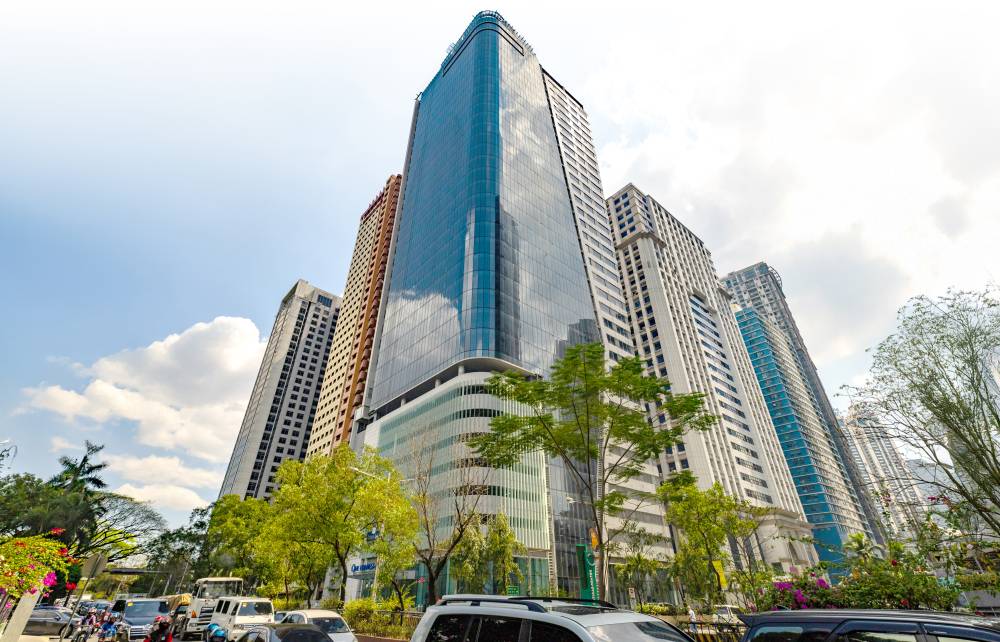
The 120-ha Filinvest Innovation Park in New Clark City gives this model its clearest industrial expression.
This industrial estate, located within the 288-ha Filinvest New Clark City, is designed to attract manufacturing, logistics, and technology companies seeking strategic locations outside Metro Manila. Once fully developed, it is projected to generate over 25,000 jobs and attract an estimated P35 billion in investments.
The nearby Filinvest Mimosa Plus adds hotels, golf courses, retail spaces, and residential developments that support a wider live-work environment.
In planning language, this is the difference between an isolated industrial estate and an integrated growth node. Employment space gains a surrounding ecosystem. Visitors, workers, and investors enter a district with hospitality, leisure, and residential support already in place.
Living and livelihood
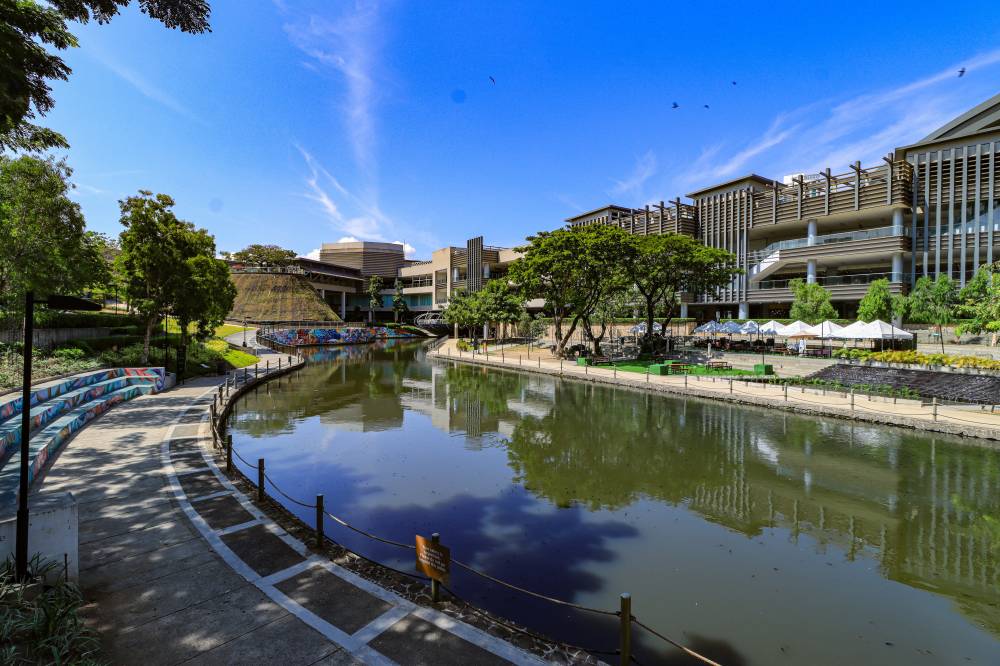
To date, Filinvest Land has delivered homes to over 160,000 Filipino families, many of whom are located near emerging business districts and economic corridors. This is a meaningful point for property analysis because housing performs best when it is linked to employment access and daily convenience.
In Cubao, Activa shows how urban density can be organized into a single address. The 1.3-ha mixed-use complex combines residential, retail, and office components along Edsa and Aurora Boulevard, with rail lines and transport hubs within walking distance.
That transport adjacency gives the project its real strength. It extends reach across Metro Manila while keeping daily functions consolidated within one development.

In Taguig, Panglao Oasis is minutes from Bonifacio Global City, linking resort-style living with a major office hub. In Rizal, Havila forms a larger masterplanned community near Angono, Taytay, and Ortigas. In Pampanga, Hampton Orchards, about 30 minutes from New Clark City, offers suburban living near a key employment center.
Regional network
At a time when regional economies are gaining greater weight in the country’s growth narrative, the group’s expanding footprint reflects a commitment to nation-building—creating environments that do more than house communities, but also actively support employment, enterprise, and everyday commerce.
In Cebu and Davao, projects such as One Oasis Cebu and Centro Spatial Davao place residents close to business districts, universities, and civic landmarks. These are not incidental locational advantages. They show a development philosophy that treats access to education, work, and public institutions as part of residential value.
Filinvest Cyberzone Cebu also hosts companies in outsourcing, technology, finance, and professional services. Il Corso, also in Cebu, helps animate the South Road Properties waterfront through dining, leisure, and retail activity, adding civic energy to a growing urban edge.
Taken together, these developments reflect a broader strategy: building with intention to strengthen regional growth centers and contribute to the country’s long-term economic capacity.
By aligning residential, office, and retail investments within integrated districts, the group is not simply responding to demand. It is also helping shape how cities expand, how jobs are created, and how communities like those by Filinvest participate in the nation’s progress.