



Culinary creativity blooms in Alaminos City

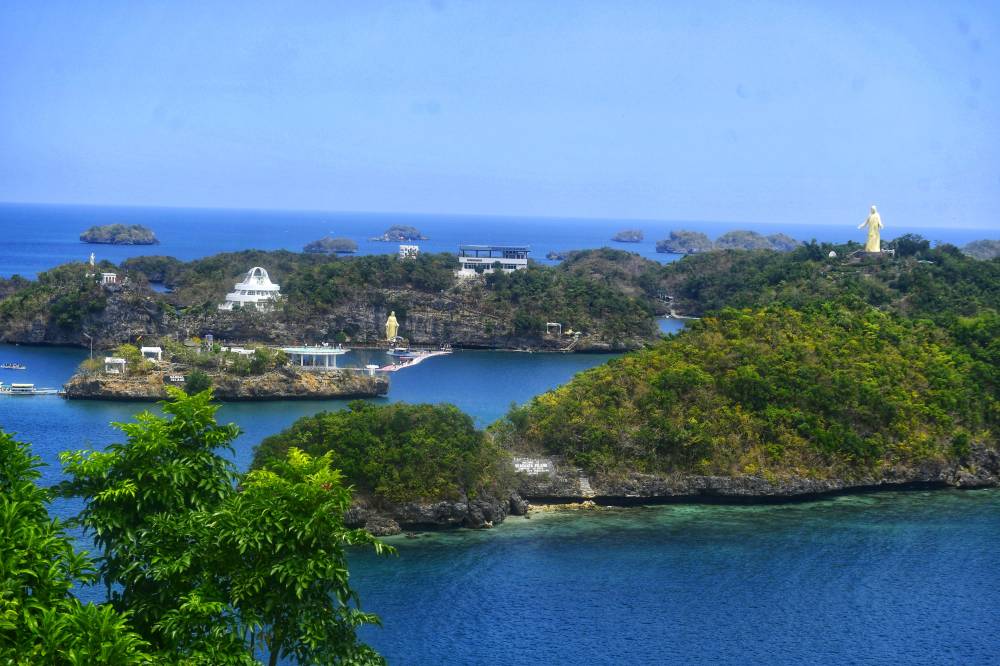
ALAMINOS CITY—Tourists cruising through the emerald waters and scattered islets of Hundred Islands National Park here may discover that beyond its famed seascape lies another attraction—local food prepared from farm produce.
Known as the home of the country’s first national park, this city remains deeply rooted in agriculture, with nearly half of its land devoted to rice and vegetable production.
“All 39 barangays have rice areas, covering a total of 7,935 hectares (ha), but around 5,000 ha are rainfed or not irrigated,” Richard Espiritu of the city agriculture office told the Inquirer.
But residents here have gone beyond selling grain—they have transformed the staple into delicacies that delight the palate, command higher value and provide better income for farmers and their families.
Sweet treats
Among the city’s best-loved rice-based treats are binungey and bibingka, both made from glutinous rice, coconut milk and sugar.
For the more adventurous palate, there is binuburan, fermented rice that tastes sweet, slightly sour and faintly alcoholic and can lead to a heady feeling for the uninitiated. Binuburan, after all, is a rustic precursor to rice wine.
These sweet creations were among the highlights of Crops and Fishery Day last Feb. 20, one of the centerpiece activities of the Hundred Islands Festival 2026.
But the showcase went beyond rice.
Emerging alongside traditional farm produce is hito, or catfish, now becoming a promising livelihood for upland farmers.
“The local officials asked the farmers what they wanted to culture—tilapia or catfish—and they chose catfish. To help them start, the local government provided fingerlings,” said Milberth Ferrer, city senior aquaculturist.
Star ingredient
The fledgling industry has begun to attract interest among farmers. To help sustain the momentum, harvests were featured in a cooking competition where hito became the star ingredient.
Being partly an Ilocano city, Alaminos also gave prominence to pinakbet, the iconic vegetable dish of the north, but with inventive local twists.
Freshly harvested eggplants, ampalaya, okra, string beans and tomatoes from nearby farms were simmered in bagoong and topped with shrimp, pork or longganisa.
Residents gave their versions playful names: “tomakbet,” “pinyakbet,” pinakbet with pork belly (bagnet) and pinakbet with longganisa.

Others carried simpler labels—pinakbet Tagalog and pinakbet regular—but one entry pushed abundance to its limit, layering the vegetables with shrimp, pork and longganisa all at once.
And in Alaminos, no food celebration is complete without its famed native sausage.
For the 10th year, the “Ikaw ang Bida: Alaminos Culinary Arts Competition” was staged by JCI Hundred Islands.
Club president Hecson Lee de Vera said students from four schools each received eight dozen pieces of Alaminos longganisa to create dishes for appetizer, soup, main course and even dessert.
What makes the contest even more valuable, De Vera added, is that judges do not simply taste the dishes; they also mentor the students, offering practical advice on how to further refine their creations.
So, in between trekking the islands and taking dips in the cool, clear waters, tourists and adventurers may take bites of these native foods, simply yet lovingly prepared by residents in their kitchens.