







Crisis body formed to act on fuel, food shortages

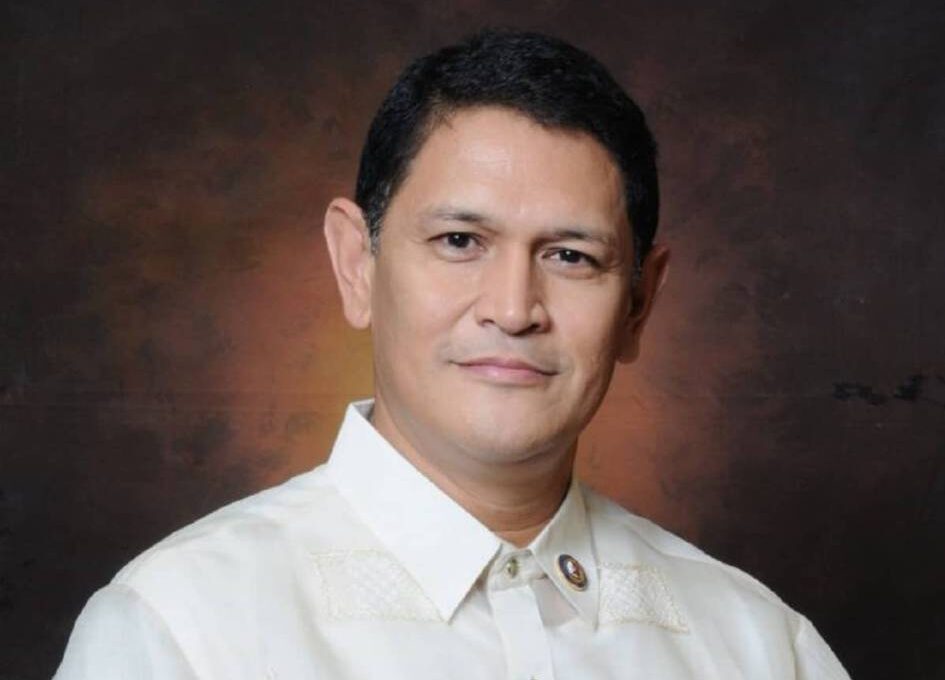
Malacañang is finalizing the formation of a “crisis committee” to ensure the country’s supply of food and petroleum products, amid the Iran war which broke out on Feb. 28 and is now past its third week.
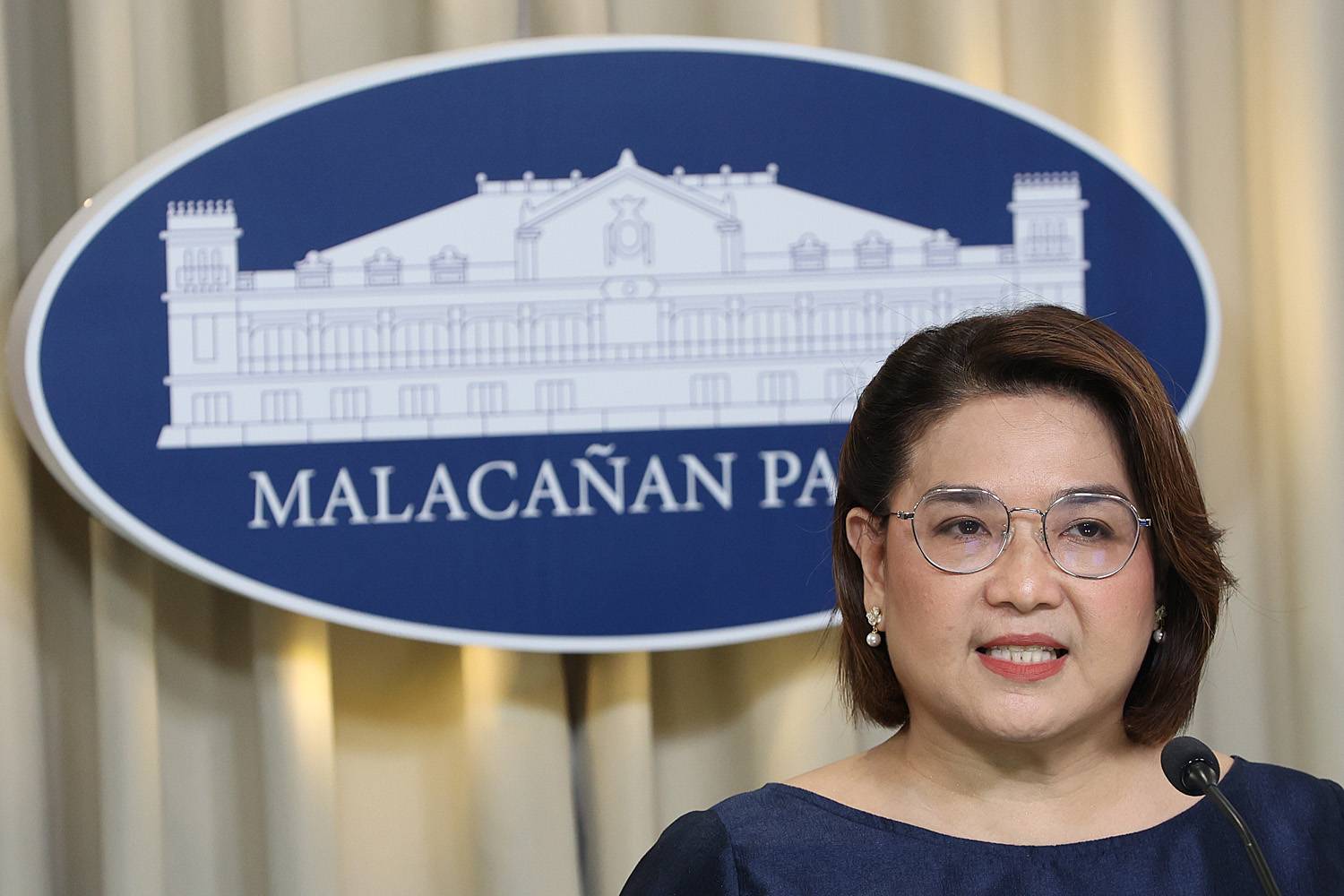
Meanwhile, President Marcos continues to await the enrolled bill authorizing him to cut or suspend the excise on fuel, Palace press officer Claire Castro also said on Monday.
Speaking at a briefing in Villamor Air Base, Castro said, “Even before someone suggests forming a crisis committee, the President has already officially ordered the creation of one. So let’s just wait for the document—it is currently being finalized.”
“This will focus especially on identifying the needs of our fellow citizens and ensuring that the supply of essential goods is not disrupted—particularly oil, fuel and other basic necessities,” she said.
Workers’ representation
Castro gave no information yet as to who will make up the committee. But the country’s biggest trade union wants workers to be duly represented in the said body.
“Any so-called crisis committee formed in response to the escalating Middle East conflict is fundamentally inadequate and indifferent if it excludes genuine workers’ representation,” the Trade Union Congress of the Philippines (TUCP) said in a statement.
TUCP party list Rep. Raymond Democrito Mendoza was also quoted in the statement as saying that, “Workers, regardless of sector but most especially those in transportation, logistics, and the over five million minimum wage earners, are always the first and the hardest hit as well as the last to recover from these mega oil price shocks.”
The group also criticized Castro over her statements that there is currently no oil crisis in the country.
Castro, affirming earlier remarks by Energy Secretary Sharon Garin, said that, “At present, an oil crisis is not yet being considered because our oil supply is complete and sufficient.”
The Palace official said, also citing Garin, that the Philippines is in negotiations with other countries on the possible importation of up to 600,000 barrels of fuel.
“According to Secretary [Garin], there are two types of crisis—supply and price. So, if we’re talking about supply, we cannot say that there is a crisis in terms of supply. However, there may be price disruptions due to the ongoing oil crisis in the Middle East,” Castro said.
Emergency powers
TUCP had earlier called on Mr. Marcos to tap emergency powers under the oil deregulation law to temporarily take over the oil industry.
In particular, Section 14(e) of the Downstream Oil Industry Deregulation Act of 1998 (Republic Act No. 8479) authorizes the Department of Energy, “in times of national emergency, [to] temporarily take over or direct the operation of any person or entity engaged in the industry.”
But Castro said last week there was no need yet for the President to invoke those powers, as she appealed to the public to refrain from “fear-mongering.”
Under the said provision of the law, oil companies are mandated to fully disclose to the DOE, under confidentiality, their actual supply inventories and acquisition costs.
In 2009, then President Gloria Macapagal Arroyo cited the deregulation law when she issued an executive order mandating oil companies to maintain their fuel prices following the onslaught of Tropical Storm “Ondoy” (international name: Ketsana) and Typhoon “Pepeng” (Parma).
Although Arroyo enforced her Executive Order No. 839 for only two days, this prompted Pilipinas Shell Corp. to challenge the constitutionality of Section 14(e) of the law. The high court upheld that provision in its ruling on Mendoza v. Pilipinas Shell (G.R. 209216) only in 2023.
Pending priority measure
Regarding the pending measure on the fuel excise, Castro said, “The President wants it to be enforced immediately. The only reason that he could not do it is because the bill has not reached the President as of now.”
In a text message to reporters on Monday, Senate President Vicente Sotto III said his chamber is still waiting for the enrolled copy of that bill from the House of Representatives.
The Senate and the House approved last week on third and final reading their respective bills empowering the President to cut or suspend the fuel excise, a measure Mr. Marcos had certified as urgent.
Senate Bill No. 1982 provides that authority on the condition that the Mean of Platts Singapore (MOPS), or the daily average of fuel prices traded in the city-state, “has reached or exceeded US$80 per barrel for one month.”
House Bill No. 8418 also cites the MOPS and provides another condition—the declaration of a state of national emergency or calamity.
It happens that the country remains in a yearlong state of national calamity until November, under Proclamation No. 155 which Mr. Marcos issued last year.
Nevertheless, Sen. Bam Aquino on Monday called for the declaration of a state of national emergency, saying the plight of many Filipino families is now at an “emergency level,” following the hefty fuel price increases.
Sen. Sherwin Gatchalian, meanwhile, called for a crisis contingency plan to be ready in two weeks.
For that reason, the Senate has formed the Proactive Response and Oversight for Timely and Effective Crisis Strategy (Protect) Committee, which is scheduled to hold its first hearing on Tuesday.
Gatchalian said the new committee would establish such a plan based on worst-case and other scenarios, such as the Iran war stretching to six months and fuel prices reaching $200 a barrel. —WITH REPORTS FROM KEITH CLORES, GILLIAN VILLANUEVA AND INQUIRER RESEARCH
******
Get real-time news updates: inqnews.net/inqviber