








Inside Coca-Cola’s ‘mega plants’ and their legacy of community impact

Though much has changed over the 114 years that Coca-Cola has called the Philippines home, its facilities continue to inspire a sense of pride among the people who craft and deliver its iconic beverages.
These plants form part of Coca-Cola’s extensive nationwide footprint in the Philippines. Coca-Cola Europacific Aboitiz Philippines (CCEAP), the bottling partner and official distributor of Coca-Cola products in the country, currently operates 18 manufacturing sites and nearly 70 distribution centers and sales offices nationwide. Every beverage produced and delivered from these sites is made with the highest standards of safety and quality.
Among these sites are its largest facilities, known as “mega plants,” in Santa Rosa, Canlubang, Bacolod, and Misamis Oriental. Placed in strategic locations to serve large territories, each plant produces a wide range of beverages in a variety of flavors and pack sizes. Coupled with their state-of-the-art operational efficiency, Coca-Cola’s mega plants are meeting the diverse needs of Filipino consumers and driving growth to key customers and Micro, Small, and Medium Enterprises (MSMEs).
“Our operations in Santa Rosa, Canlubang, Bacolod, and Misamis Oriental play a vital role not only in the growth of our business, but most importantly in the development of the communities we serve,” says Chris Pesigan, CEO and President of CCEAP. “Our plants across the country stand as a testament to years of shared progress, powered by thousands of dedicated associates who are driven with so much passion to make, move, and sell our beverages.”
For generations, CCEAP’s manufacturing sites have stood as landmarks across the Philippines. These facilities are deeply woven into the fabric of local development by generating jobs, supporting local economies, and serving customers. Today, they remain instrumental in driving CCEAP’s goal of making a lasting, positive impact nationwide.
Long-standing history and commitment to operational excellence
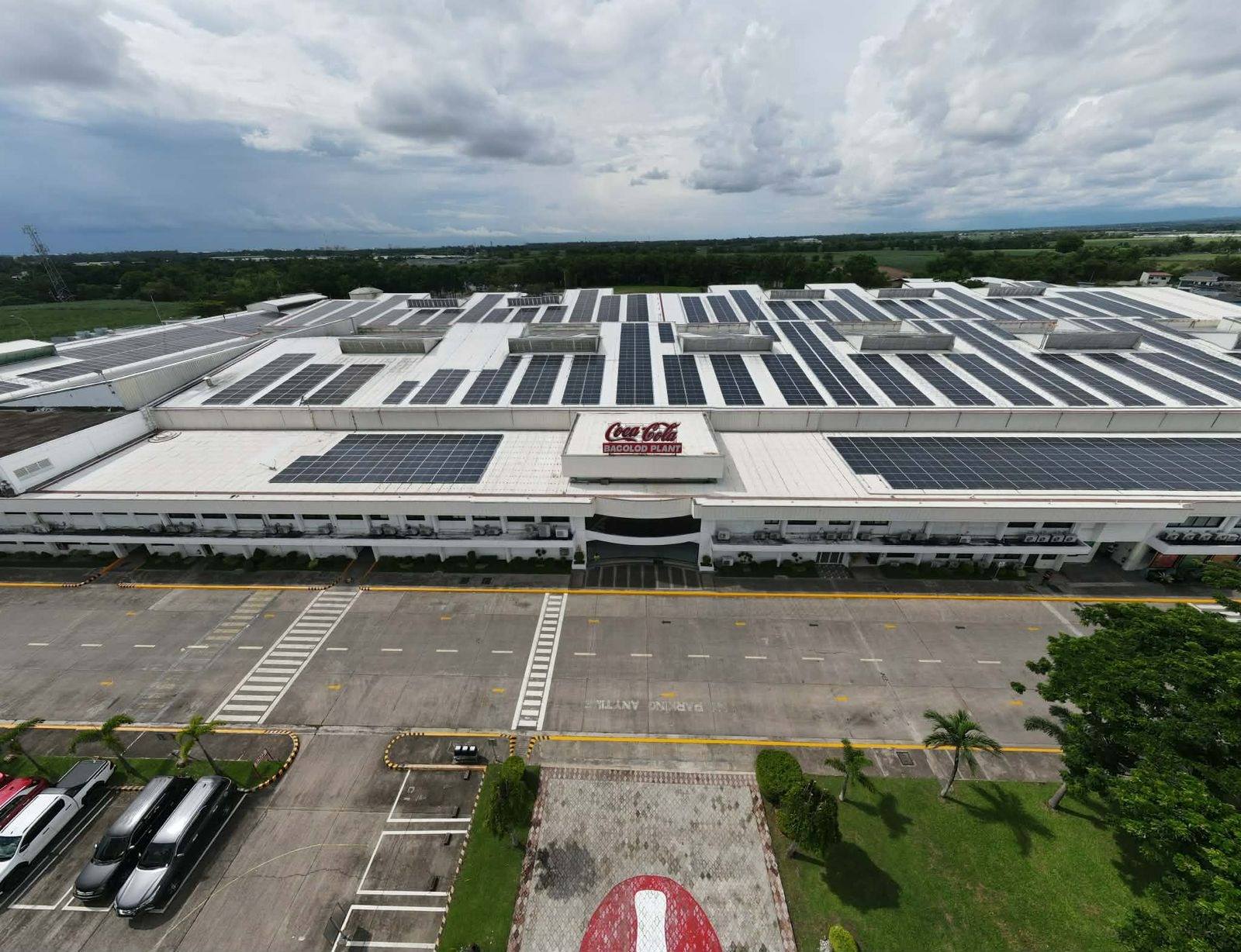
Setting the stage for decades of growth and community partnership, Coca-Cola’s journey in Bacolod began in 1948 with its first plant along Lacson Street. In 1998, operations moved to a ten-hectare site in Barangay Mansilingan to expand its capacity.
The Bacolod Plant has been a key driver in supplying Coca-Cola products across the Visayas in the decades since, fueling local economic growth and creating jobs within and beyond Negros. Coca-Cola also remains a strong supporter of the local sugar industry, as it uses Philippine sugar for its products—the bulk of which comes from Negros—and has only been using 100% local sugar in its Bacolod plant.
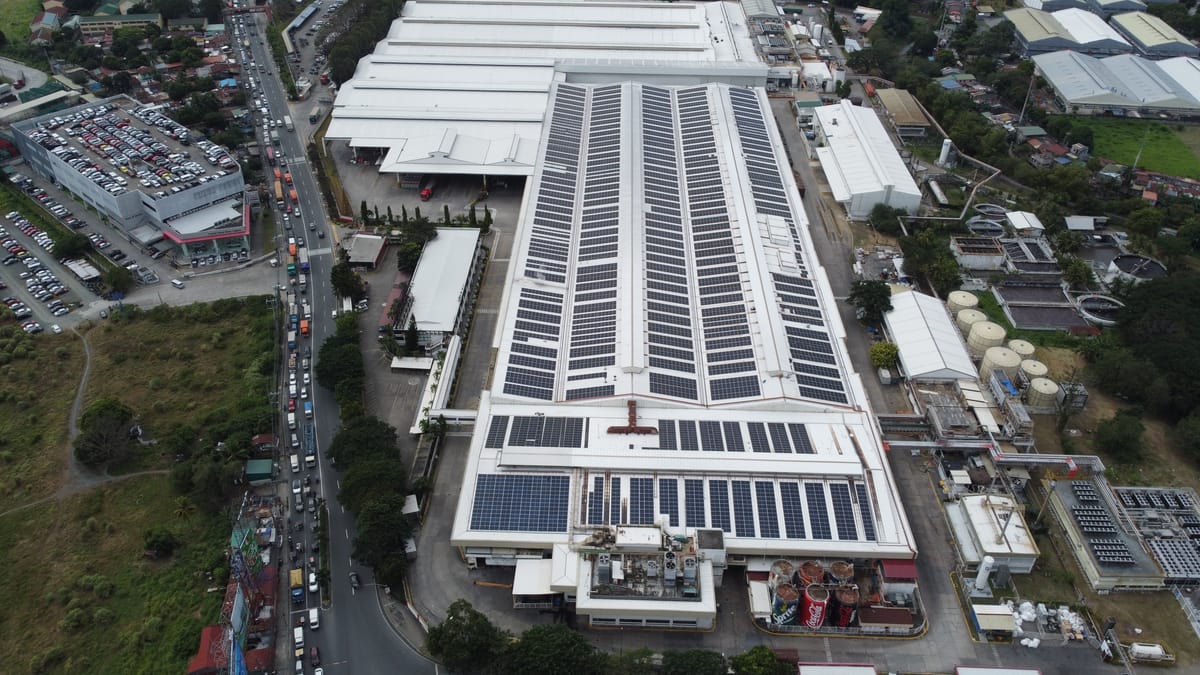
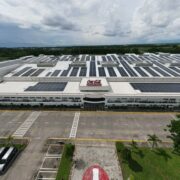
In Luzon, Coca-Cola’s site in Santa Rosa houses two plants spanning 35 hectares, producing different products in various pack types. The Returnable Glass Bottle (RGB) Plant was established in 1990, followed by the Non-Returnable Packaging (NRP) Plant in 1997.
The towering Coca-Cola cans within the Santa Rosa complex have become a recognizable landmark along the South Luzon Expressway (SLEX), symbolizing more than 35 years of refreshing the Greater Manila Area and Southern Luzon.
Championing growth and environmental stewardship, CCEAP’s Santa Rosa Plants have been consistently recognized by the City of Santa Rosa with distinctions such as the Top Business & Realty Taxpayers Award and the Top Manufacturers Award, and in 2025 were cited as a Sustainable Development Partner and Earth Hour Advocate.
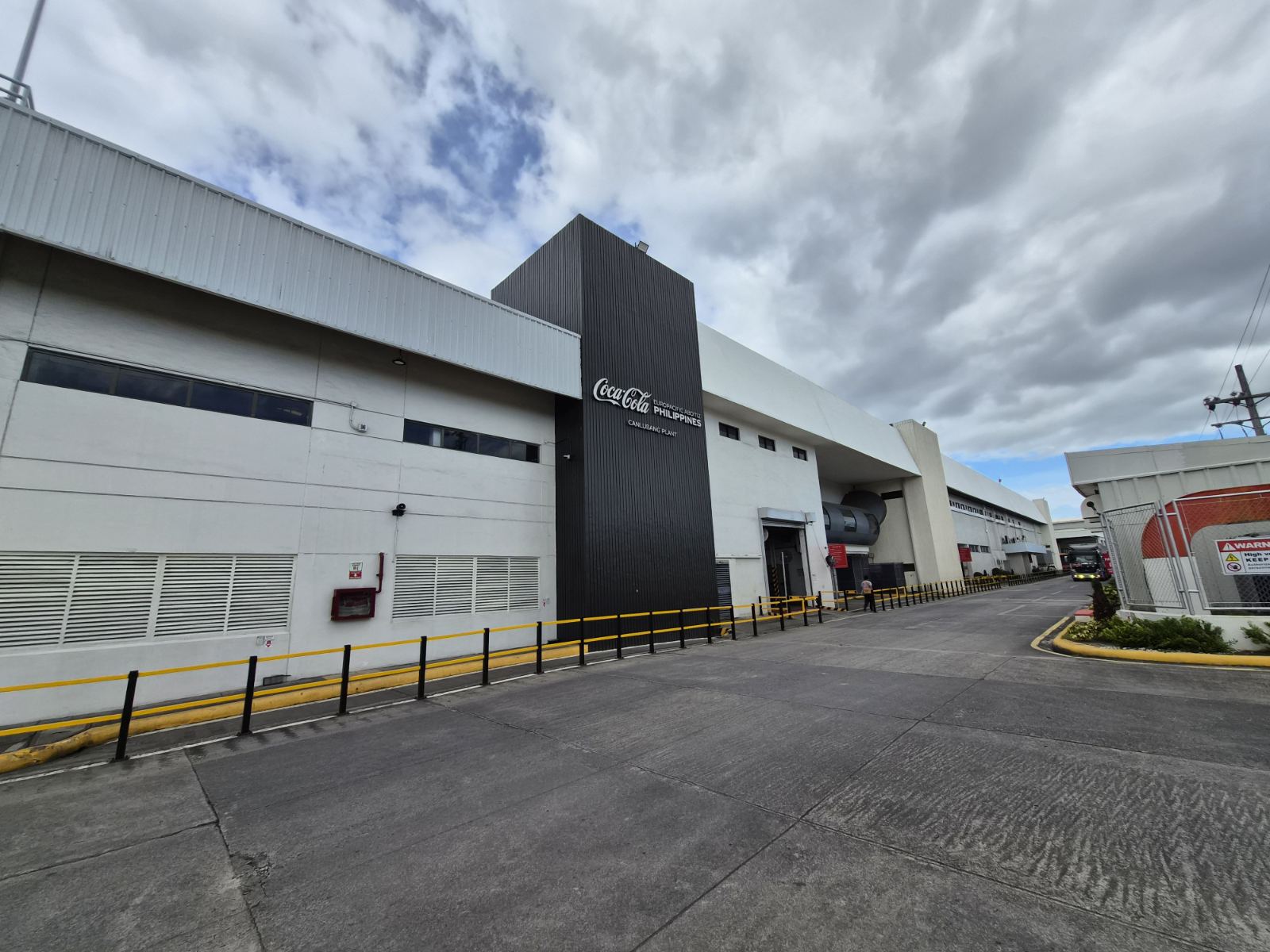
Laguna is also home to the Canlubang Plant, Coca-Cola’s largest manufacturing plant in the Philippines. First established in 1999 with only two lines, it expanded significantly following a major investment in January 2013. It now operates two of the world’s fastest PET carbonated soft drink (CSD) lines, enabling it to serve more customers.
In Mindanao, the Misamis Oriental Plant, inaugurated in 2010, sits on an 11-hectare area and produces a wide range of beverages. Serving as a key production and distribution hub for the region, the facility continues to boost trade networks and ensure Coca-Cola beverages reach Filipino households across Mindanao.
Further strengthening its operational footprint, CCEAP has commenced the development of its 19th manufacturing site in the Philippines, situated within Aboitiz InfraCapital Economic Estates’ TARI Estate in Tarlac City. The soon-to-rise Coca-Cola Tarlac Mega Plant is envisioned to be its largest plant in the country and one of Coca-Cola Europacific Partners’ (CCEP) most significant manufacturing and infrastructure investments globally.
People-First commitment beyond plant walls
CCEAP’s People First approach is central to its success, championing its associates who embody the Filipino value of malasakit or a deep sense of genuine care. This culture of malasakit extends well beyond its plant walls, where its approximately 9,000 associates collectively advocate for meaningful impact in their communities.
Through sustained outreach initiatives, strong partnerships with local government units, and consistent support for livelihoods and sustainability, these facilities have become enduring pillars of progress in their communities.
One example is the Unlad Kabuhayan program, which provides upskilling and livelihood opportunities for associates and their families. The program equips participants with practical skills for small-scale businesses, helping create pathways for both personal and professional advancement.
CCEAP associates nationwide consistently engage in year-round local community initiatives to uplift young learners, including Brigada Eskwela and the Reading Readiness Program, which partners with schools across the country to support early literacy.
Coca-Cola sites remain at the forefront of disaster response and relief during natural calamities, mobilizing its teams to immediately extend much-needed support by working with local authorities, distributing essential goods, and bringing safe drinking water to affected communities and employees.

Catalyst for progress and partner in sustainability
CCEAP is anchored on its mission to refresh the Philippines while driving sustainable growth for its people and customers. The company continues to advance its renewable energy and water efficiency initiatives across its operations. These efforts are aligned with CCEP’s global “This is Forward” sustainability action plan, which guides the company’s long-term commitment to responsible business growth.
As a significant part of the company’s clean energy roadmap, four CCEAP plants—Canlubang, Santa Rosa, Bacolod, and Ilagan—fully use renewable energy sources. To date, more than 23,000 solar panels have been installed across multiple facilities, including Santa Rosa, Bacolod, Misamis Oriental, Davao del Sur, and Zamboanga. All CCEAP plants also implement key energy-saving initiatives, driving continuous improvements in energy efficiency.
CCEAP also launched its first fully electric, zero-emission truck in 2025 in its Santa Rosa Plant, marking a milestone in the company’s push for cleaner, more sustainable logistics operations.
Across all its facilities in the Philippines, CCEAP continues to strengthen water security by enhancing efficiency in its most water-intensive processes and operating advanced wastewater treatment systems that process used water to a quality suitable for safe return to the environment. These systems reinforce the company’s commitment to protecting water resources as one of the most critical components of its operations.
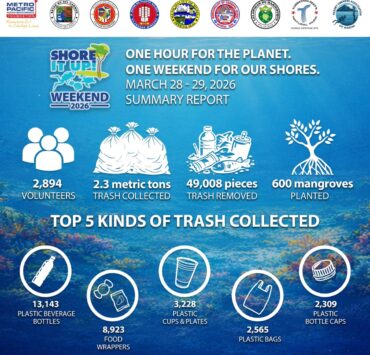
Associates from across CCEAP also participate in the annual International Coastal Cleanup, while also working year-round with the Department of Environment and Natural Resources (DENR) through initiatives like Adopt-an-Estero to restore and protect local waterways.
In addition to plant initiatives, Coca-Cola through its nationwide Tapon to Ipon program, drives collection and recycling of post-consumer PET bottles with its partner organizations and communities. The program now operates over 6,000 collection hubs across the Philippines and is present in major festivities—such as the MassKara Festival in Bacolod—helping keep communities litter-free.
CCEAP remains deeply committed to uplifting communities where it operates, ensuring that its growth directly benefits the people within and beyond its local value chain.
As part of Coca-Cola’s vast footprint, its mega plants serve as proof of its commitment to innovation, community empowerment, and the people it serves.