










Why limited-time offerings are a recipe for success

The cornerstone of every F&B establishment is its core menu—shaped by specialty dishes and drinks. These can range from varying executions (think noodle dishes, rice bowls, desserts, and à la carte viands) or one specific dish (like ramen, but with different toppings). But when the occasion calls for it, these brands will surprise their customers with something limited. Available only from this date to that date, it’ll say. Or “available until supplies last.”
It may seem like a spur-of-the-moment decision or simply a way to shake things up—add an element of surprise, or break the monotony, maybe—but in reality, there’s a strategy behind that.
1. Rising to the occasion
Time-sensitive holidays, occasions, and cultural moments are fertile ground for brands to launch limited-time offerings. October, for example, heralds pumpkin spice and cinnamon-laced drinks to celebrate the autumn season, while the holiday season in December has become synonymous with peppermint mocha.
Even holidays are no exception. Valentine’s Day sees the rise of pink and red food and drinks like strawberry and rose-flavored drinks and desserts, or even set menus for two, with bundles or promos to entice, while Easter often brings pastel-colored desserts, chocolate bunnies, and egg-themed pastries to the table.
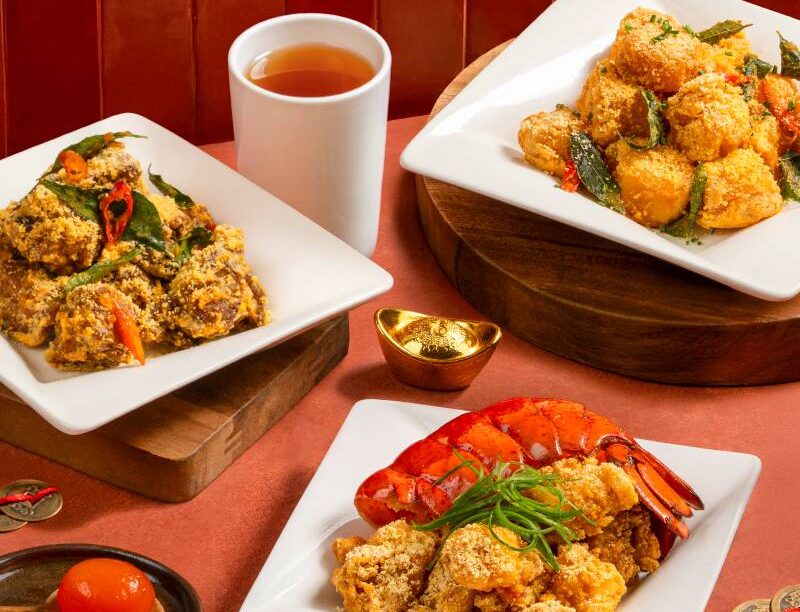
From a food standpoint, Din Tai Fung Philippines hits two birds with one stone by debuting not just a Lunar New Year offering, but even a Lenten one. The former revives the trending salted egg yolk from the late 2010s with a trifecta of dishes that highlight its rich, savory profile, while the latter reinvents its bestselling Pork Chop Fried Rice with a seafood counterpart.
Dubbed “The Golden Prosperity Menu,” diners can partake in Salted Egg Yolk Pork Ribs, Salted Egg Yolk Tofu, and a dine-in exclusive Salted Egg Yolk Lobster Tail, all of which showcase the sweet and savory, almost buttery flavor of salted egg yolk in fried pork, tofu cubes, or lobster pieces. Meanwhile, the Lenten Shrimp Chop Fried Rice is both comforting and hearty—a golden cutlet of fresh minced shrimp on a bed of aromatic fried rice, served with sweet and sour dipping sauce on the side.
With these four dishes available til April 5 (a generous extension even after said holidays), diners are encouraged to savor them while they last—a reminder that part of the appeal of limited-time offerings is exactly that: they won’t be around forever.
2. Testing the market
While familiarity is easy and safe (a failsafe, even), it’s also easy for customers to get bored with the same thing. In a competitive industry where there are at least three different Japanese restaurants in the same mall, or seven milk tea shops within the neighborhood alone, keeping customers loyal is a challenge for F&B business owners.
This is why adding something new works. It sparks intrigue, it captures attention, and it can work—or not. But because it’s a limited-time offering, a successful item can easily be integrated into the core menu, while the ones that don’t work can quietly fade into the background, never to be launched again.
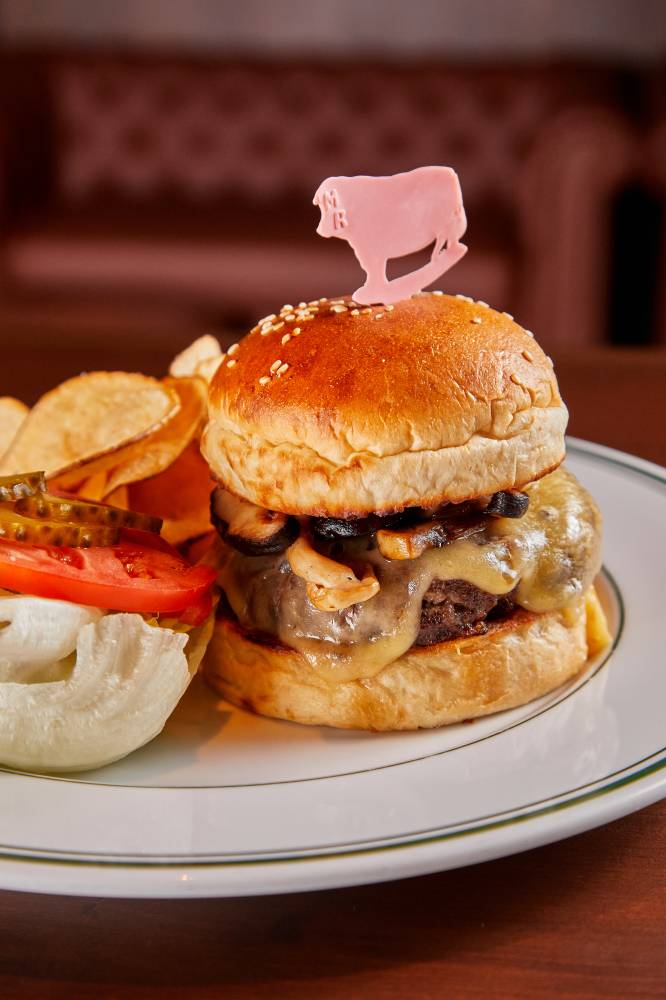
Take, for example, the Burger Month Specials of Wolfgang’s Steakhouse. While foremost known for its USDA Prime dry-aged steaks, the restaurant is taking a stab at other offerings that use beef in other ways, while carrying over “its commitment to steak-quality excellence to its burger.”
Diners can choose to partake in the Classic Wolfgang Burger (a burger that uses USDA Prime dry-aged beef), NY Pastrami Burger, Visayan Prime Burger (a burger that highlights mango bacon jam and inasal barbecue glaze), Mushroom Burger, and New York Prime Burger (a classic burger with bacon and cheese), up until April 18.
Whether said burger variants will be permanently integrated into the restaurant’s menu has yet to be seen, but this is one way to gauge customer interest and satisfaction without committing to something long-term.
3. Taking advantage of seasonal ingredients
Seasonal ingredients naturally lend themselves to limited-time offerings, allowing them to shine at their peak. It’s when these fruits and vegetables are at their most abundant, freshest, and easiest for businesses to source.
In the Philippines, for example, mangoes and calamansi dominate summer, ube and coconut make their way into mid-year desserts, and root vegetables like squash and sweet potatoes (kamote) appear in cooler months. Bananas and pineapple, on the other hand, are available nearly all year round.

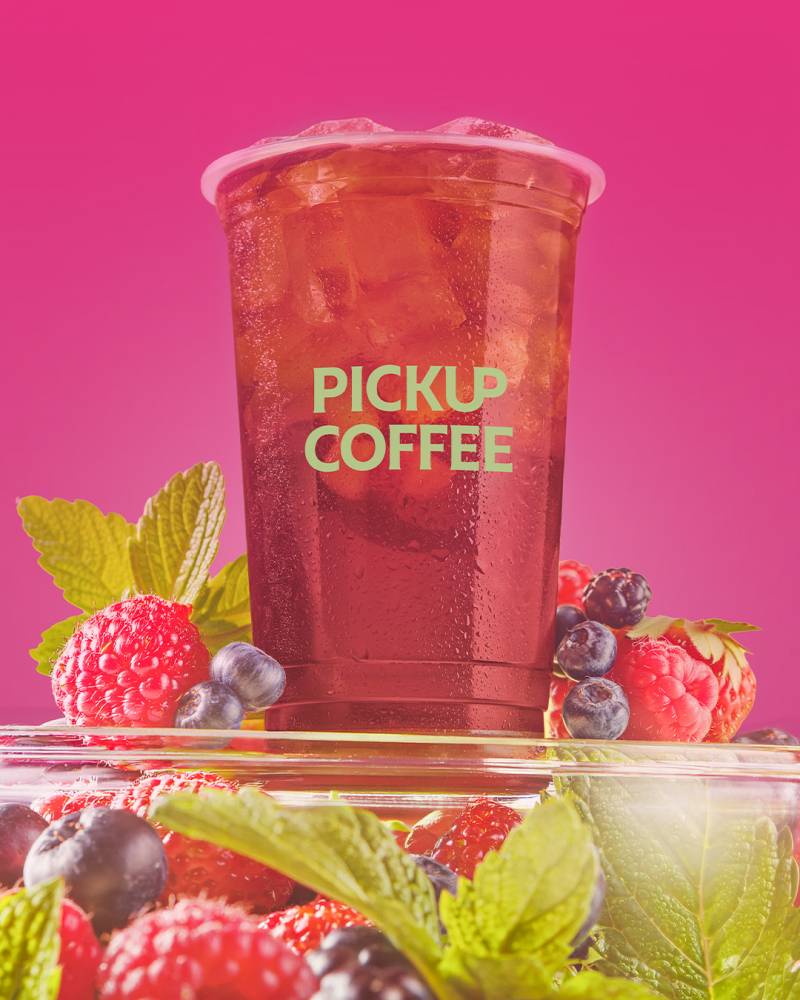
Speaking of summer, it’s a perfect fit for sodas and fruit-forward drinks, as the hot weather calls for something light and refreshing. And while it doesn’t use the actual fruit per se, Pickup Coffee’s limited-time drinks have the spirit, capturing the seasonality with its Summer Fresh Fruit Series.
Bringing together both familiar favorites and new menu items, customers can sip on iced tea-based beverages with vibrant fruit flavors in the form of Apple Iced Tea, Lychee Iced Tea, Peach Iced Tea, and a new addition: the Mixed Berries Iced Tea.
It’s important to remember that seasonality works hand-in-hand with accessibility. That said, these drinks are available in Pickup Coffee’s many branches via pickup, delivery (GrabFood and Foodpanda), or even on the Pickup app, which features deals and bundles for more savings.
4. Inviting opportunities for collaborations
Collaborations aren’t new in the F&B industry—it’s a model that allows brands to leverage each other’s specialties to create unique offerings that appeal to both fan bases. Whether it’s combining flavors, concepts, or even brand identities in ways that can’t be done alone, limited-time partnerships can give customers an experience that feels fresh, exclusive, and new.
This can take the form of co-branded menu items, pop-up cafes, or exclusive food and beverage pairings that merge each brand’s signature elements and techniques. For example, Starbucks Philippines partnered with female chefs Miko Calo of Taquería Franco, Cara Davis of Halong, and Amanda Hao of Seva—each from Michelin-awarded restaurants—in a series called From Her Table.
By bringing together three different culinary perspectives, this collaboration features pastries available in both sweet and savory iterations. Calo’s Miso Coconut Torsade layers savory miso and coconut over delicate croissant dough, while Davis’s Salted Egg Yema Chocolate Cookie combines chocolate, salted egg caramel, and butterscotch into a nostalgic cookie. As for Hao, her Longganisa and Ricotta Calzone uses local flavors, paired with paratha, tomato jam, hot honey, and basil.
And riding on that sense of urgency that most limited-time offerings have, this collaboration is available only until April 13, with a portion of the proceeds from this going to the AHA Learning Center, Mano Amiga, and Young Focus—nonprofit partners of Starbucks Philippines’ Community Stores.