



Bringing wellness into the Filipino home


Wellness has moved to the center of thinking in Philippine homes.
Homeowners, buyers, and investors now seek living spaces that support rest, movement, nourishment, and belonging with quiet confidence. This shift reaches far beyond dedicated amenities or wellness rooms. It asks architecture to shape ease from the moment you enter your home and asks planning to turn light, ventilation, and layout into part of daily recovery.
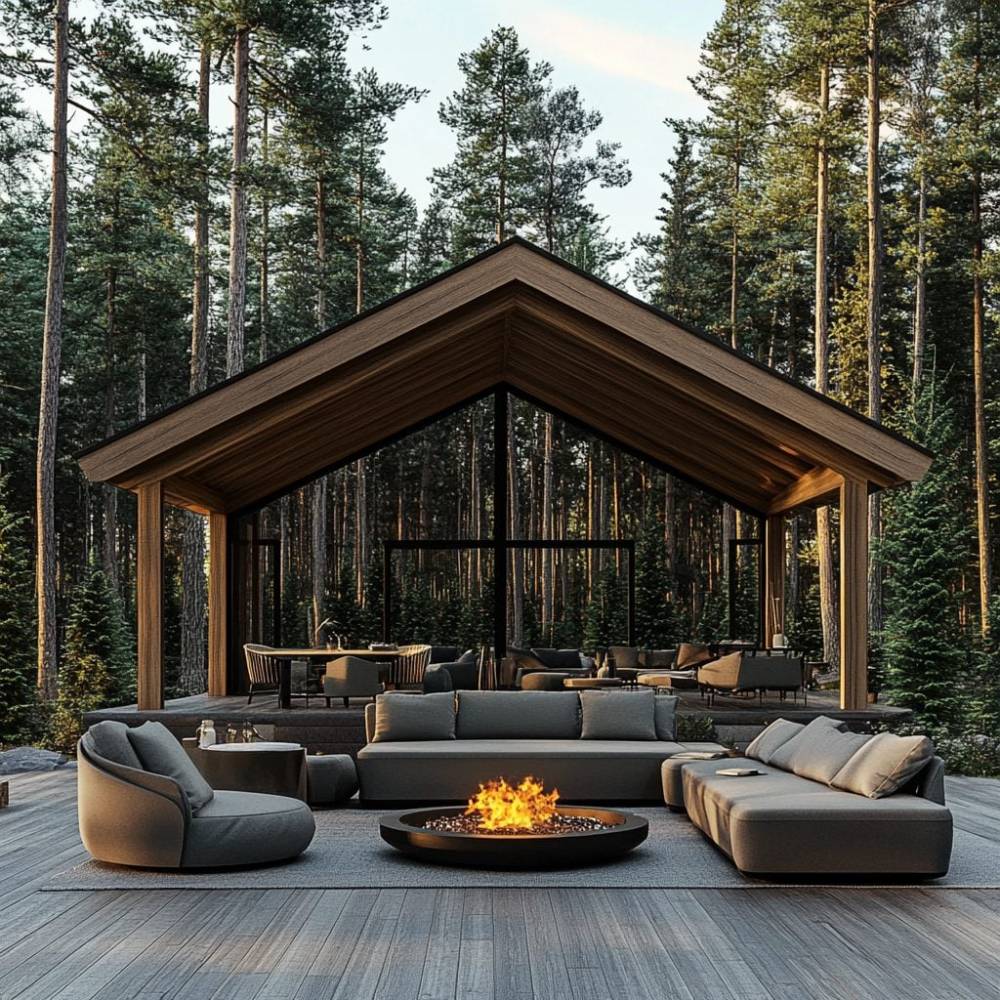
Wellness in the ground plan
To bring the best of Southeast Asia’s wellness environments into Philippine homes, developments need a clear wellness framework built into the land itself.
Orientation, tree cover, and spacing between functions are crucial. A home gains depth when movement feels natural and daily rhythms flow gracefully.
This means generous walking paths, cycling routes, quiet gardens, reflective water features, and pockets for pause woven into the community.
It also means spaces for all ages and tempos—a morning path for reflection, an open lawn for tai chi, a lap pool for discipline, and a shaded play garden for families all belonging to the same wellness story.
The finest communities understand that recovery and recreation can share a single setting when transitions feel seamless.
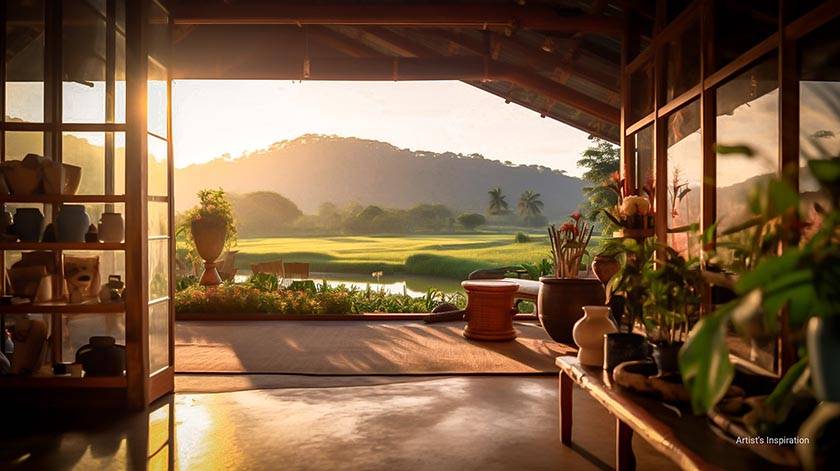
Spaces that restore and connect
The essential components of a wellness-led home now extend across body, mind, and community life.
A thoughtful spa-like space remains important, especially when paired with hydrotherapy features, thermal elements, treatment rooms, and intimate areas for rest.
Yet the wider picture holds equal weight. Yoga decks, movement studios, fitness rooms with natural light, meditation corners, and outdoor exercise lawns help residents shape a routine that feels personal. Multi-use spaces for workshops, health talks, seasonal gatherings, and creative classes turn a home or community into a place with cadence and social life.
Shared spaces, reading lounges, family recreation rooms, and outdoor dining terraces strengthen the sense that wellness includes company, conversation, and shared rituals.

Nourishment with a sense of place
Culinary living has become one of the clearest expressions of wellness.

Fresh regional produce, coastal ingredients, heirloom grains, native herbs, and thoughtful cooking bring the landscape to the table.
The experience grows richer when a home connects its kitchen to nearby farms, fisheries, and local makers. Families remember food that carries the flavor of its setting and the patience of local knowledge.
A well-designed home creates immersion through market visits, garden harvests, seasonal menus, and shared cooking that reveals a dish’s memory. These experiences add a human touch to wellness, nourishing the body and grounding daily life in local rhythms, whether in the city, the mountains, or by the sea.
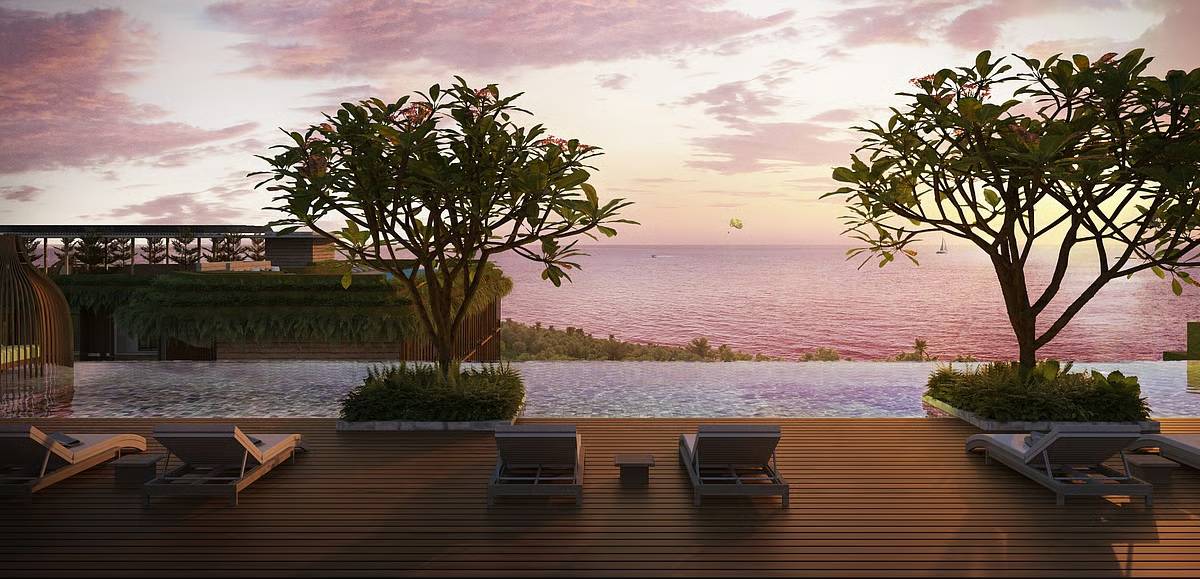
The regional measure
Southeast Asia’s most admired living environments succeed through integration. Their appeal comes from a complete setting where wellness, recreation, cuisine, cultural life, and landscape stewardship move together as one experience.
The Philippines has extraordinary coastlines, volcanic terrain, rich food traditions, gifted artisans, and a layered historical inheritance.
The next wave of residential developments will rise through coherence.
When paths meet gardens, dining reflects the land, recreation welcomes solitude and gathering, and culture is present in daily life, wellness becomes real. It stops being a trend and shapes value. A home then ceases to be just a property and becomes a trusted place for renewal.