




A southern benchmark that endures

In Calabarzon’s growth story, few developments have remained as consistently relevant as Nuvali.
More than just another mixed-use estate, it has established itself as a benchmark for how masterplanned communities in the South can evolve while maintaining their original vision.
Regional growth center
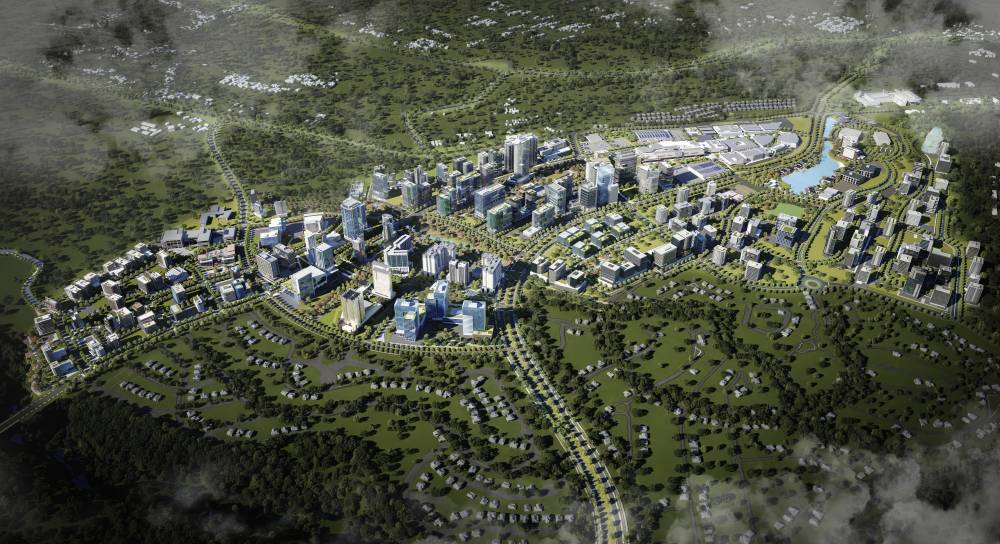
Launched in 2009 as a planned eco-city spanning Santa Rosa, Calamba, and Cabuyao in Laguna, Nuvali was envisioned as a regional growth center combining residential communities, business districts, educational institutions, commercial spaces, and recreational environments within one integrated development.
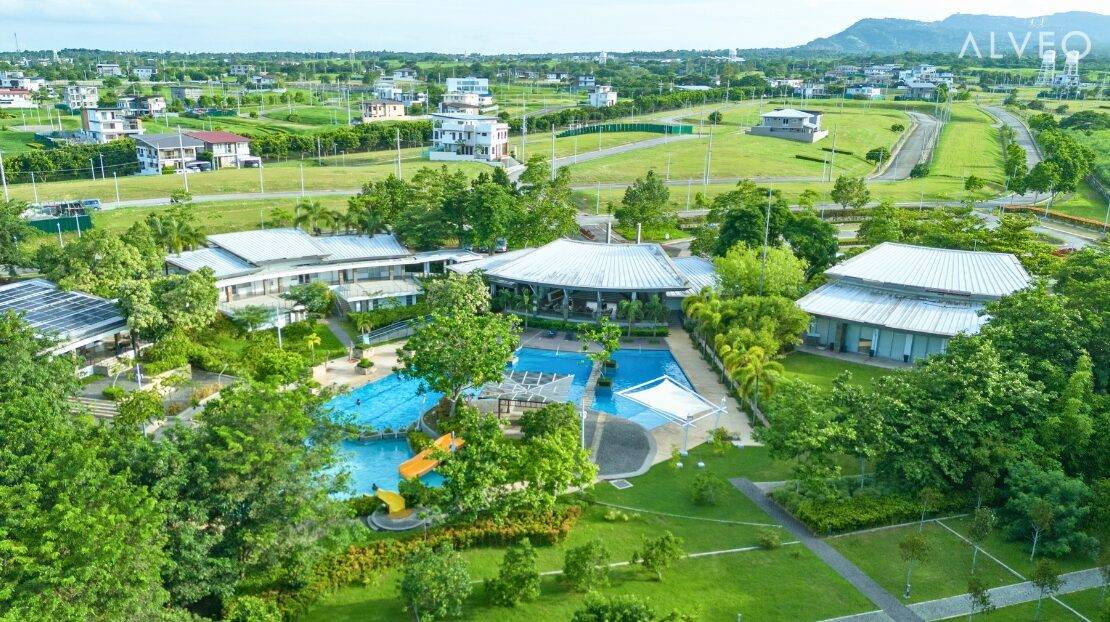
What makes Nuvali particularly significant is how it helped redefine the idea of living in the south. For many residents, it offers the conveniences associated with Metro Manila—access to business spaces, retail centers, and institutions, while providing something increasingly difficult to find in the capital: breathing space.
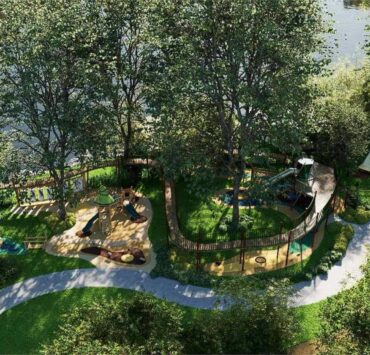
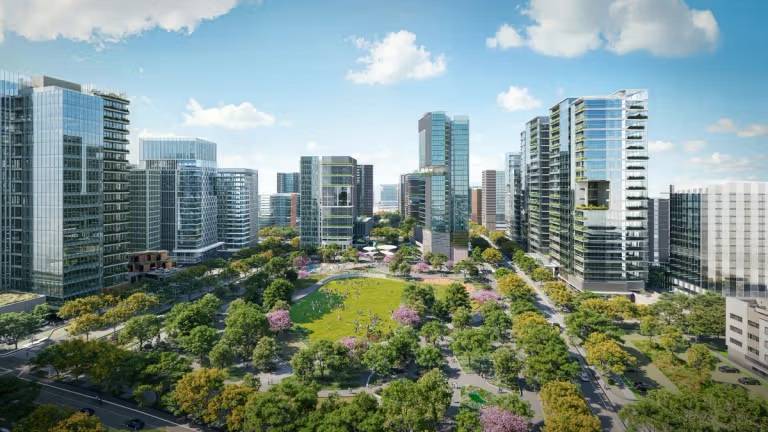
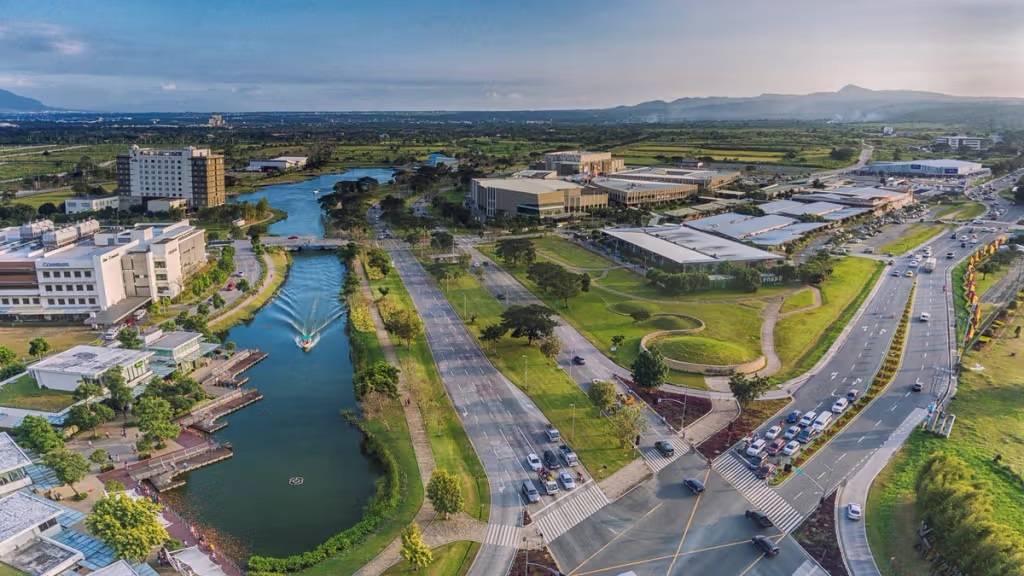
The estate integrates open landscapes, bike trails, parks, and a central lake, reinforcing its identity as a development where urban life and nature coexist.
Continuing appeal
Accessibility has also been part of its continuing appeal.
Located in the Calabarzon growth corridor and accessible through major expressways such as South Luzon Expressway (SLEx) and Cavite-Laguna Expressway (Calax), Nuvali allows professionals working in Metro Manila to remain connected while choosing to live in a more balanced environment.
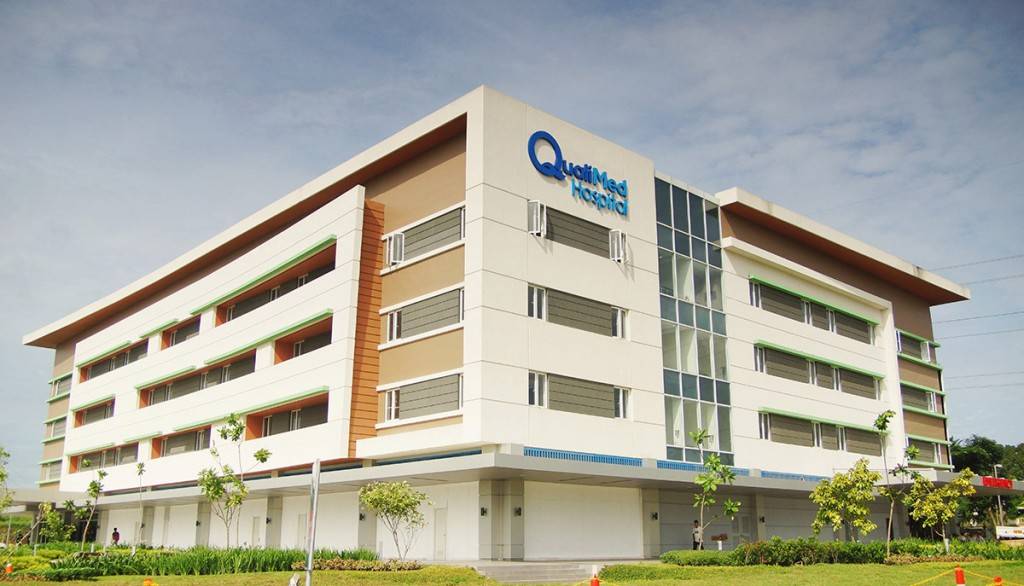
Over time, this address became associated not just with location, but also with lifestyle. The presence of premium schools, nearby industrial parks, healthcare facilities, and residential communities has positioned Nuvali as a place where well-being and productivity intersect.
A learning environment
This school term, I found another way to appreciate its value, not just as a development but also as a learning environment.
As part of my Facilities Management course for architecture students at Mapúa Malayan Colleges Laguna (MMCL), I asked student groups to document real building typologies across Laguna and study how building services and operational systems are implemented in actual projects.
Interestingly, many groups independently chose Nuvali.
Within a single estate, they were able to observe retail environments, educational campuses, office buildings, hospitality facilities, and residential developments. For students, it became a living laboratory.
What impressed me most was not just the diversity of building types, but how the estate continues to function cohesively. The integration of open spaces, pedestrian environments, and commercial areas demonstrated how planning decisions influence long-term operations.
Remarkably consistent
Perhaps what stands out most is something less technical: continuity.

Having visited Nuvali through the years, I am struck by how the Nuvali Park area has remained remarkably consistent in character. The spaces feel familiar, well-maintained, and carefully managed.
This kind of continuity is often overlooked, but it is one of the strongest indicators of good estate management. Developments do not endure because they are new. They endure because they are cared for.
In many ways, Nuvali demonstrates that successful developments are not defined only by scale or speed of expansion. They are defined by how well they sustain their original vision while adapting to growth.
As more growth centers emerge outside Metro Manila, Nuvali continues to offer an important lesson: that good development is not simply about building new spaces.
It is about building places people will continue to value years after they open.
And perhaps that is why, more than a decade later, Nuvali remains not just a development to watch, but also one to learn from.
The author is a LEED Fellow, ASEAN Architect, and educator with over 25 years of professional practice in architecture and sustainability