








South Luzon property market: Vibrant, viable amid global uncertainty


South Luzon is one of the Philippines’ most dynamic regions, long established as a key industrial hub for manufacturers and exporters.
Over the years, it has attracted major investments from national developers, building masterplanned communities that feature office, residential, leisure, and retail spaces.

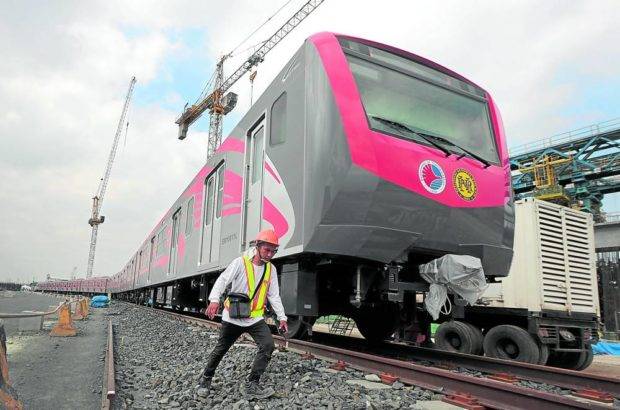
These estates continue to see strong demand from investors and end-users, driven largely by improved access to Metro Manila through major public infrastructure projects. North-South Commuter Railway, NLEx-SLEx Connector Road, and Cavite-Laguna Expressway are seen to support growing residential demand, enhance property values, and sustain price appreciation, especially as South Luzon benefits from the government’s “Build, Better, More” infrastructure initiative.
On the consumer side, the steady inflow of remittances ensures stable demand for residential end-use. According to data from the Philippine Statistics Authority, South Luzon accounted for nearly a fifth of Filipinos deployed for overseas work in 2024.
Strong take-up
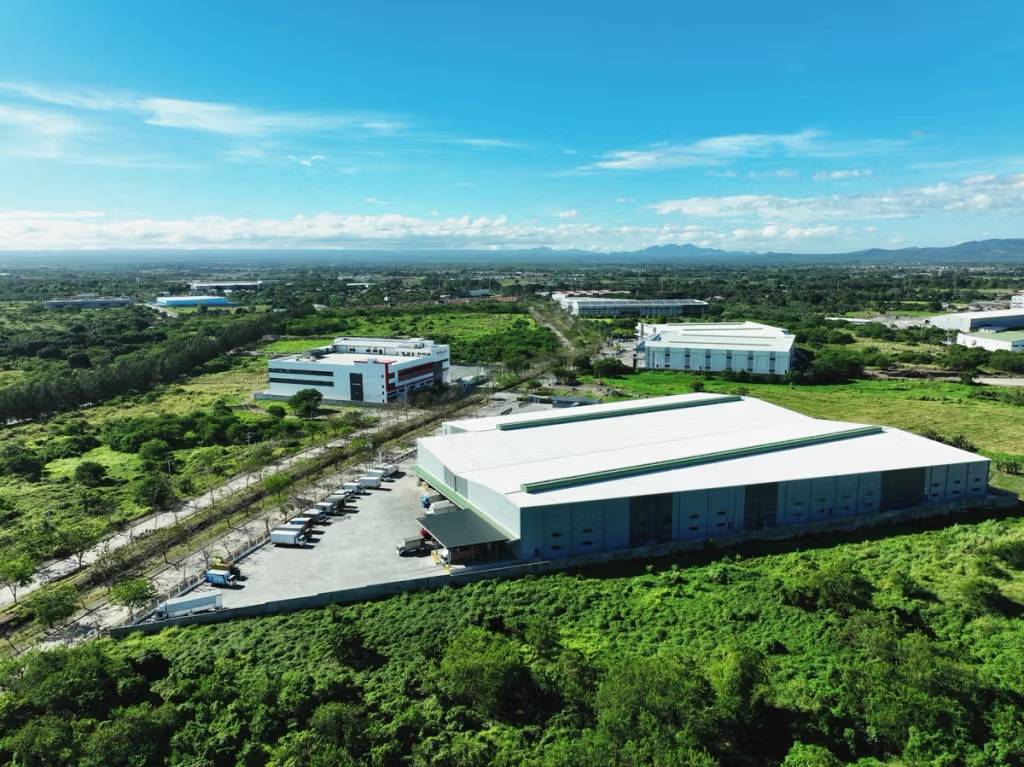
The entry of national players in the Cavite-Laguna-Batangas (Calaba) corridor, along with the launch of horizontal developments in large estates, has driven sustained increases in the prices of lot-only projects in these provinces.
The corridor also continues to corner interest from national players targeting demand for high-end horizontal developments.
Differentiation is key
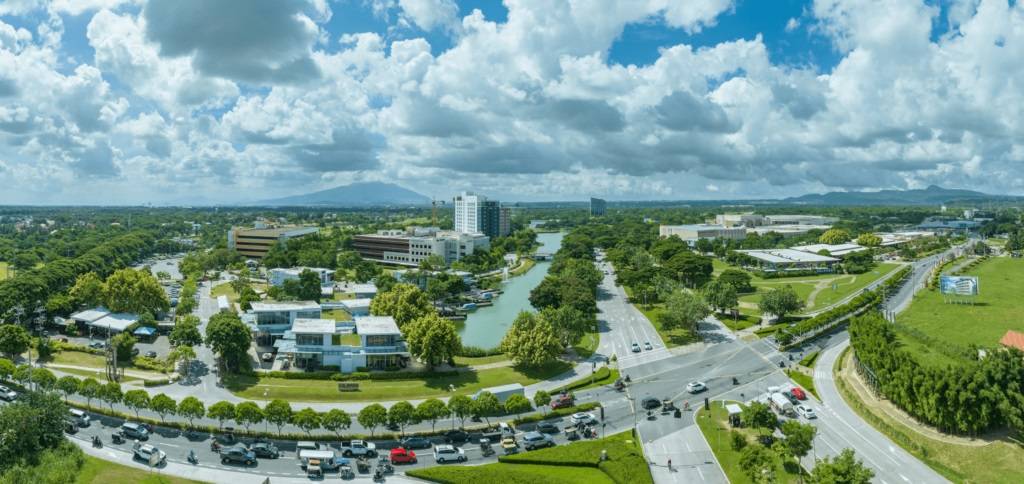
Colliers believes the demand for integrated communities will extend beyond Metro Manila given the growing interest for live-work-play lifestyle among end-users and investors.
Developers behind these expansive estates are also aggressively differentiating, offering not just the typical office, residential, leisure, and retail establishments but also institutional facilities that support the communities’ residents.

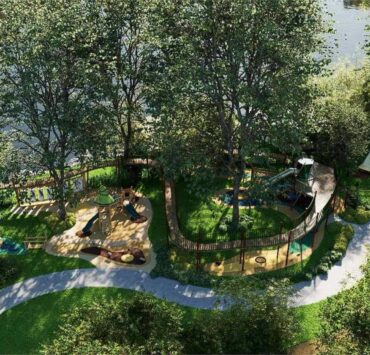
We recommend that developers further incorporate unique elements into their masterplanned communities to differentiate in the market. Some developers have been aggressive in integrating more open spaces into their townships including parks, sports hubs, recreational facilities, as well as golf courses.
Aside from residential and office components, property firms should also assess the viability of launching commercial lots and feature institutional components such as universities.
Solid fundamentals
It appears that South Luzon has solid macroeconomic fundamentals that should enable it to weather global political and economic shocks.
Aside from improved connectivity and proactive differentiation from developers, properties in the region continue to attract steady demand from both end-users and investors. It is easy to understand why South Luzon remains a crucial property investment hub.