







Where everything you need is just around the corner

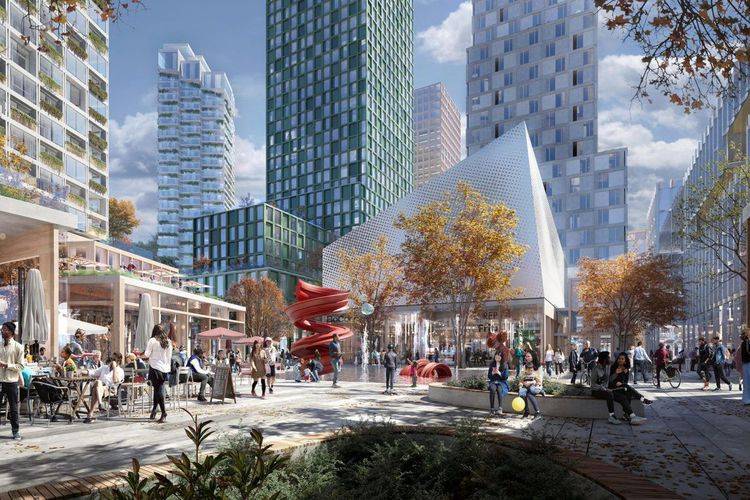
There is a certain kind of city life that people are quietly craving now.
It is the kind where coffee is downstairs, groceries are a short stroll away, work is close enough to reach without a draining commute, and dinner can happen without planning the whole evening around traffic.
At a time when fuel prices are increasingly influenced by events far beyond our shores, that kind of convenience takes on greater value.
This is where mixed-use development enters the conversation with unusual relevance. When homes, offices, shops, dining, wellness, and transit are gathered into one coherent district, energy savings begin with having what matters within reach.
The new radius
Lifestyle has long been discussed in terms of finishes, amenities, and prestige. Today, lifestyle is increasingly shaped by distance.
The real luxury is a smaller radius of living, one that allows a resident to move through the day with grace instead of friction.
A mixed-use address does exactly that. Morning coffee can happen on foot. A child’s tutorial, a grocery run, a client lunch, and an evening workout can all sit within a few blocks of one another.
That compressed geography changes the feel of everyday life. People spend less time coordinating movement and gain more time actually living.
Every short walk that replaces a car ride, every errand folded into a single outing, and every commute trimmed by proximity can create quiet savings. These are small, repeated decisions shaped by good planning, and they accumulate with surprising force.
Ease as energy strategy
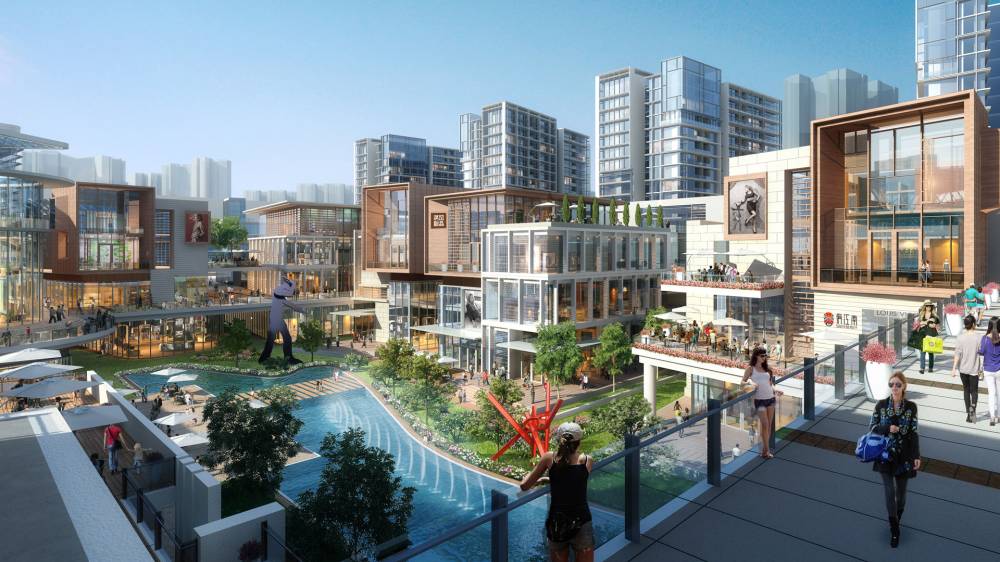
Convenience is often treated as a pleasant extra. In reality, it is one of the clearest energy strategies available to urban development.
A place that allows residents to walk to essentials, connect easily to transit, and stay within the district for work or leisure naturally reduces dependence on fuel-heavy movement.
For families, this means a smoother routine. For young professionals, it means a social and working life that feels connected rather than scattered. For older residents, it means access that supports independence.
The appeal is immediate, yet the long-term effect is equally important. Places built around ease help households stay steady as transport and utility costs rise.
The district that thinks ahead
The beauty of mixed-use development is a street experience that performs with intelligence behind the scenes. Stand-alone buildings operate like separate islands, each with its own service demands, parking pressures, and mechanical loads. A mixed-use district can coordinate these patterns with greater dynamics.

Office activity tends to peak at a certain time of day, while restaurants and leisure spaces come alive at different hours. Residential life has its own unique rhythm as well.
When we see these patterns as part of a single, interconnected ecosystem, it becomes easier to plan things like lighting, parking, loading, cooling, and circulation more efficiently. This understanding helps make living spaces less wasteful, as their various parts can support and complement each other naturally.
This type of development is convenient and is organized to work better over time. That matters for owners, tenants, and residents because operational intelligence often becomes the hidden engine behind a place that continues to feel well-run years after it opens.
Living well with less friction
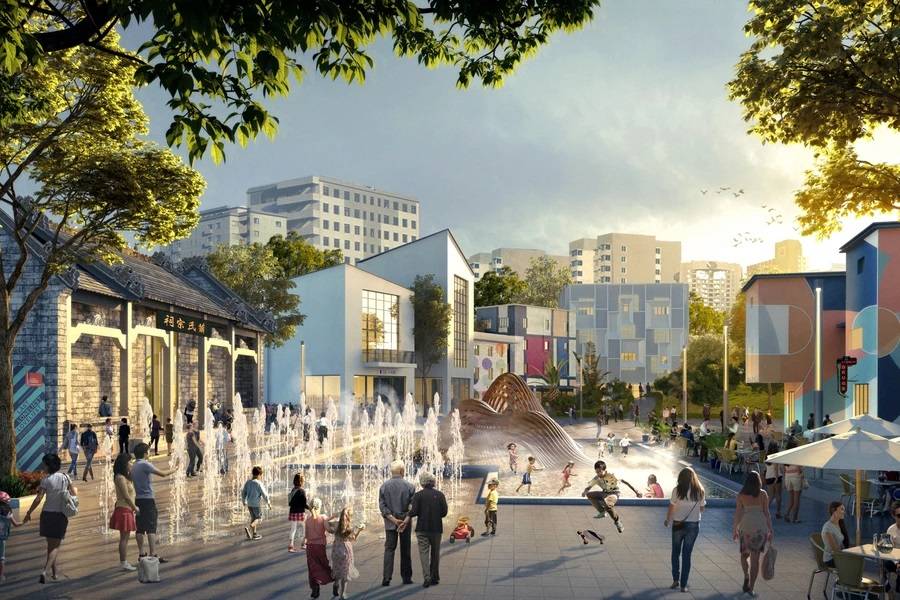
A thoughtfully designed, compact district feels just right when streets stay lively, and public spaces become vibrant hubs of everyday life. There’s a comfortable sense of movement that flows naturally, and with good planning, the density feels inviting and breathable.
This is a strong case for this kind of integrated urban planning as a solution to energy pressures. It draws strength from an appealing lifestyle defined by closeness and easy access. The savings matter, certainly, yet the atmosphere created by a less fragmented way of living carries equal weight.
In that kind of setting, efficiency shows up as a calmer morning, a shorter trip, a lighter monthly expense, and a city that finally seems designed around the rhythms of actual people.
That is why the most compelling developments today are not simply those that rise tallest or look newest. They are the ones that let life unfold with ease, where almost everything important waits just around the corner.