







In Zamboanga City, island folk finally get safe water

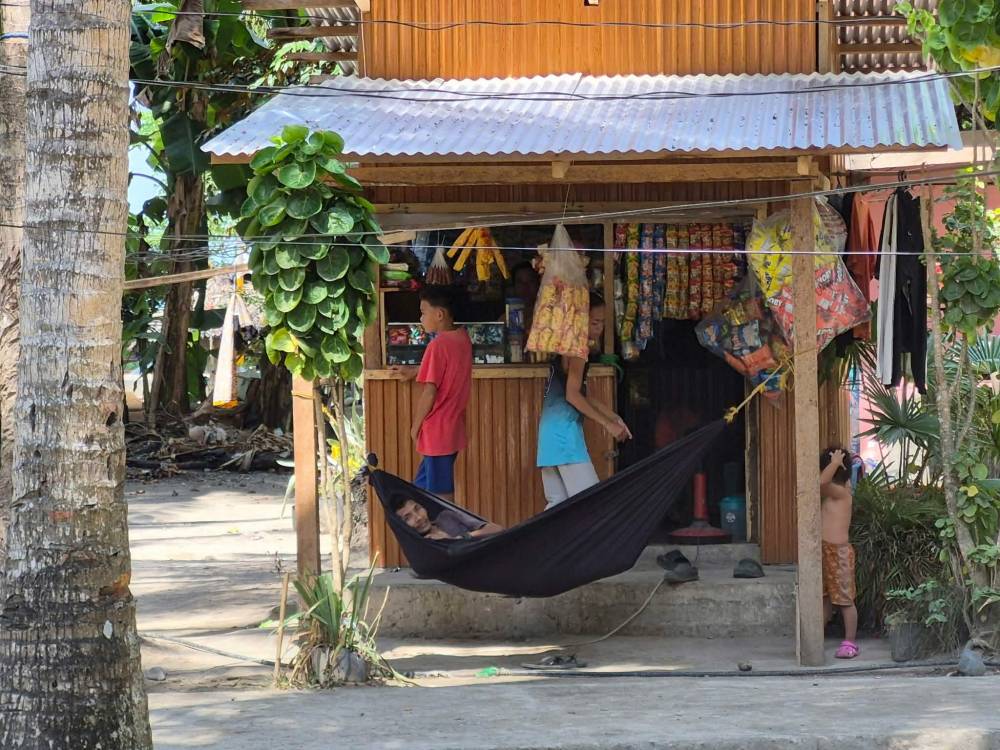
ZAMBOANGA CITY—For years, residents of Barangay Tumalutab Island began their mornings lining up with empty containers, waiting for water deliveries by boat from the city’s mainland.
At P50 to P70 per five-gallon container, clean water was a daily financial burden for families in the island barangay.
That routine has begun to change.
In 2024, the local government unit of Barangay Tumalutab, led by Barangay Captain Joemer Abunawas, entered into a memorandum of agreement with the Department of Environment and Natural Resources (DENR) Water Resources Management Office, represented by Undersecretary Carlos Primo David.
The agreement provided for the delivery and installation of a water filtration system to serve the community.
Under the program, the DENR committed to procure and install the unit, build its housing facility and train local operators.
The barangay, in turn, provided the installation site, assigned personnel for training and established a local water enterprise to manage distribution and revenues.
Distribution
By 2025, the system was operational, converting saline and unsafe water into potable water. Tumalutab Island became one of three sites under the 2025 rollout, alongside Barangay Manalipa in Zamboanga City and Barangay Eastern Cabul-an in Bohol.
Nationwide, six sites are expected to serve about 10,549 people this year, focusing on Geographically Isolated and Disadvantaged Areas.
For residents, the impact was immediate. Prices have dropped to P20 to P25 per five-gallon container—less than half of what families previously paid.
“We are very thankful that this project reached our island. It is a big help to everyone in Tumalutab. Our water sources were few, and sometimes we had to budget water so everyone could drink. We feel blessed that our problem was heard,” resident Julaisa Ajahad told the Inquirer.

Difference
Students also feel the difference. Junaida Sabburani recalled struggling to attend school without bathing due to water shortages.
“As a student, it is difficult. There were times I couldn’t bathe because there was no water. I felt embarrassed around my classmates,” she said.
The project addresses three key concerns: improved access, reduced costs and strengthened resilience against seasonal shortages.
According to the residents, the system has eased daily burdens while protecting public health.
DENR acting Secretary Juan Miguel Cuna is scheduled to visit Tumalutab today to inspect the facility.