










‘Concerned employees’ sue DOH chief, other officials over P1.5-B expired drugs, vaccines

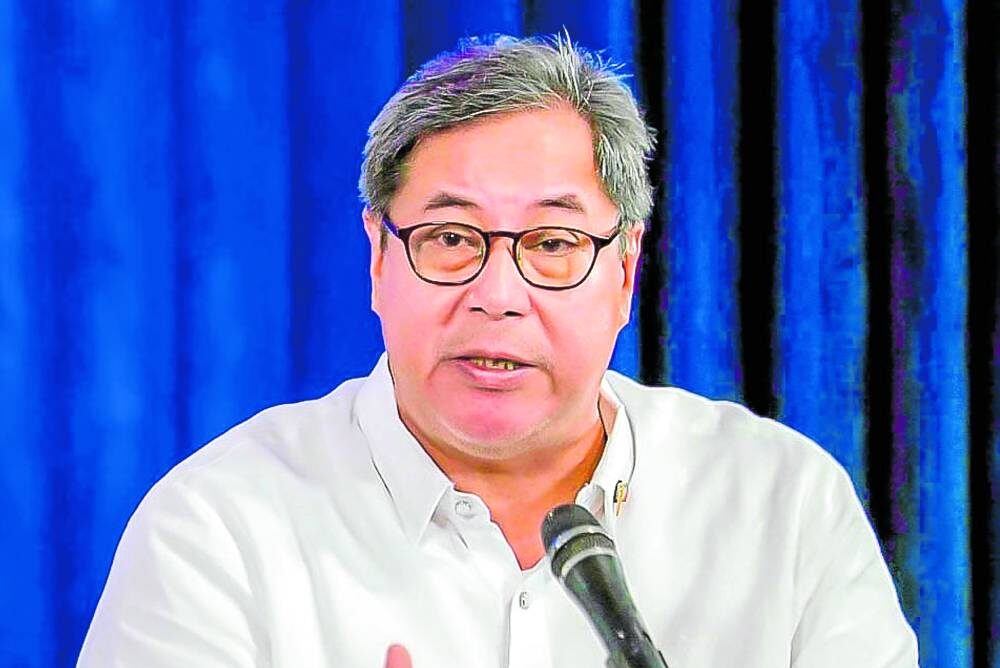
Unidentified complainants calling themselves “concerned Department of Health [DOH] personnel” have again filed criminal and administrative cases against Health Secretary Teodoro Herbosa and 16 other officials and personnel of the agency, this time over P1.5 billion worth of vaccines and medicines that expired and were considered “dead stock.”
The 33-page complaint accusing Herbosa and the other respondents of graft, serious dishonesty, serious misconduct and conduct prejudicial to the best interest of public service was filed in the Office of the Ombudsman on Tuesday.
Among those charged with the DOH secretary were Undersecretaries Randy Escolango and Gloria Balboa; David Masiado, OIC-director for High Burden Infectious Diseases Prevention and Control Division; Dr. Anna Marie Celina Garfin, director IV; Dr. Adriano Suba-an, director IV at the Population Health and Non-Communicable Diseases; Dr. Cherylle Gavino, director III for the Mental Health Division; Dr. Maria Joyce Ducusin, division chief for Children’s Health and Development Division and several others.
The complainants also sought the preventive suspension of Herbosa and his corespondents to “prevent them from further abusing their positions.”
The Inquirer sought the DOH secretary’s comments on the case filed against them but as of press time, there was no response from him.
‘Stagnant’
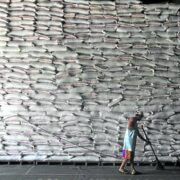
According to the complainants, the medicines were sourced through “high-value contracts for commodities” for family planning and mental health programs, and that “large values” of these were delivered to the national warehouse. However, these “remained stagnant” and did not reach the intended regional health units, they added.
They also said that as the drugs were about to expire, Balboa, then the DOH assistant secretary, issued a department personnel order (DPO), by Herbosa’s authority, ensuring the “effective delivery” and the “alignment” of the programs which placed most of the respondents in “direct supervisory roles” for the management of the medicines.
The complainants said that among the medications for the family planning and mental health programs that expired between December 2025 and March this year were 1.2 million cycles of Lynestrenol worth around P40 million; 84,490 ampules of Flupentixol Decanoate worth P18.9 million; 165,115 ampules of Fluphenazine decanoate valued at P4.950 million; and 32,005 bottles of Valproic acid worth P4.1 million.
These were on top of an additional 160,000 ampules of Fluphenazine worth P5 million and 80,000 ampules of Flupentixol worth P19 million. INQ

Undelivered vaccines
The group also cited a national inventory report which said that on Jan. 22 this year, around P1.319 billion worth of vaccines “remained undelivered” while there were regional offices that reported concurrent expiration of vaccines intended to prevent severe tuberculosis, measles, mumps and rubella.
The acts committed by Herbosa and the other respondents, the complainants said, constitute graft after they allowed the medicines worth billions of pesos to become “dead stock.”
The group added that the respondents “failed” to identify the risks, bottlenecks or operational challenges despite being tasked with resource management under the reorganized functional structure of the Disease Prevention and Control Bureau.
In August last year, concerned DOH employees asked the Ombudsman to probe Herbosa over the alleged P1.29 billion unliquidated cash transfer to the United Nations’ Children’s Fund (Unicef) for the procurement of vaccines and essential drugs, saying this constituted malversation.