









DA assures veggie farmers of gov’t aid

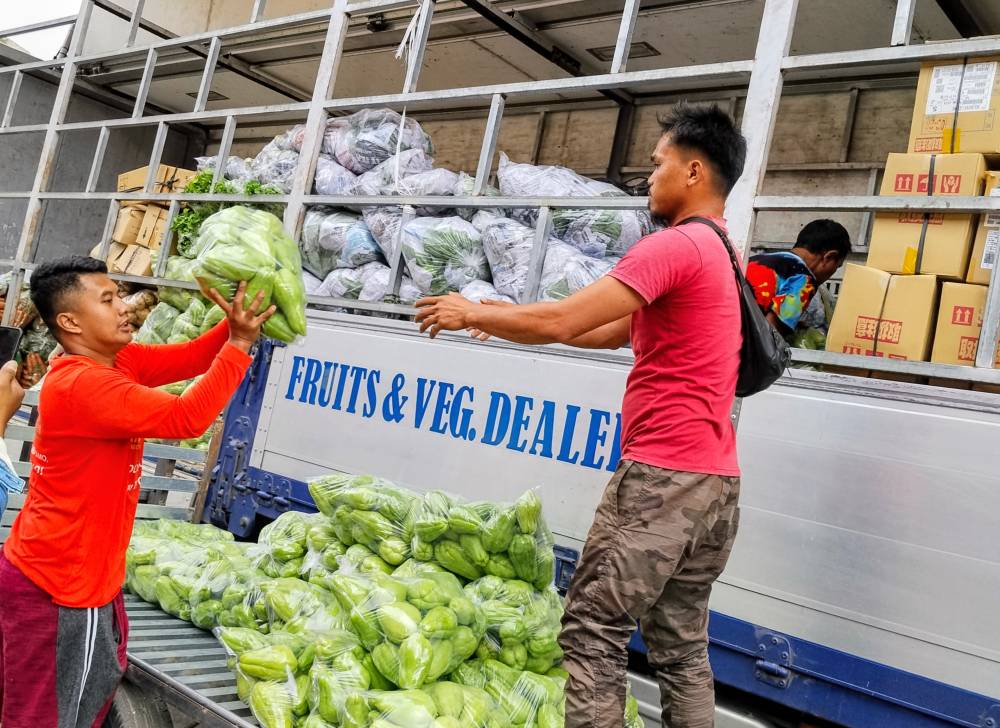
LA TRINIDAD, BENGUET—Agriculture Secretary Francisco Tiu Laurel Jr. on Wednesday said the recent bumper harvest of fresh palay and vegetables ensured that the country would have sufficient food—at least for the summer—amid supply chain disruptions triggered by the Middle East conflict.
But in an effort to maintain food security, Tiu Laurel promised to augment the fuel expenses of the local food shipping trade, help ease regulations at the country’s ports and suspend truck bans imposed by local governments to maintain the flow of fresh vegetables to Metro Manila, communities in north Luzon and even in the Visayas.
Mountainside gardens in Benguet grow 80 percent of salad vegetables like broccoli, lettuce, cauliflower, bell pepper, potatoes, carrots, and cabbages that are sold and consumed in Metro Manila.
Parts of Mountain Province and the Ifugao town of Tinoc at the borders of Benguet also produce highland vegetables sold in lowland provinces.
According to a Cordillera economic situationer, the region’s salad vegetable output rose from 208,161.57 metric tons in 2024 to 222,412.48 MT in 2025.
Like the rest of the country, the immediate impact of the Middle East crisis has been on “food distribution logistics,” Tiu Laurel said during a dialogue with Cordillera farmers and traders at the Benguet Agri-Pinoy Trading Center (BAPTC) here.
BAPTC and the much older La Trinidad Vegetable Trading Post are the two major trade hubs in this Benguet capital town.
Fuel expenses
The Middle East conflict, which started when Israel and the United States launched airstrikes against Iran on Feb. 28, triggered fuel supply problems as well as huge spikes in diesel prices which climbed to as much as P140 per liter in some Baguio City gas stations on Tuesday.
Truckers bound for Divisoria said their fuel expenses for delivering 20 tons of vegetables have climbed from P15,000 to P35,000 per vehicle, which meant an additional P2 to P3 to the prices (per kilo) of vegetable shipped from Benguet.
Trucking to and from Iloilo now costs P200,000 from the normal P95,000 fuel expenses, which meant a P10 per kilo markup, up by P3 from normal transit.
La Trinidad Mayor Roderick Awingan said about 120 to 153 trucks leave La Trinidad Vegetable Trading Post with 400,000 to 500,000 kilograms of vegetables while an estimated 200 trucks transact at BAPTC. This means that the national government may need to funnel in P36 million in annual fuel subsidies just for Benguet.
“It’s our bad luck that the war broke out. But it’s our good luck that it happened in summer when we have huge harvests,” said Tiu Laurel, speaking in Filipino.
During the dialogue, Tiu Laurel was also informed that vegetable demand in the mountain region has slowed down, brought about by what he described as the weakened purchasing power of the average household.
Agot Balanoy, a former official of a farmers and traders organization here, said the selling price does not make up for the cost of growing these crops.

She said Benguet mayors should enforce the Sagip Saka Act of 2019 (Republic Act No. 11321) which authorizes local governments to directly purchase food from farmers for their respective projects and operations.
Awingan made a similar suggestion but asked Tiu Laurel for support because most municipalities have no funding provisions for direct food purchases.
‘Food trains’
One of the emergency solutions pitched by Tiu Laurel was to build “food trains,” or a convoy of government vehicles and food trucks commissioned by the Department of Agriculture to ferry excess salad vegetables to the trading posts, or directly to markets like Manila.
Tiu Laurel said P57 billion in standby fund called the Local Government Support Fund has been released to allow towns and provinces to buy rice for vulnerable sectors. “I will request the Office of President to use it to buy vegetables from you,” he said.
Fuel subsidies for truckers may be conditional, with assurances that they buy highland crops at prices set before the conflict in the Middle East broke out.
Subsidizing all sectors has become a problem, Tiu Laurel admitted. A P1-billion quick response fund being requested from President Marcos may be ready by the middle of April but half of it may go to fishermen using motorized boats who have been hit the hardest while the rest would be shared by a farming population of over 8 million.
Some P10 billion in presidential assistance fund for farmers and fishers in the General Appropriations Act of 2026 will also be allocated up along these lines, he said. The government is building up a P52-billion emergency fund by reallocating the resources of each line agency, Tiu Laurel added.