







Due to fuel crisis, farming town drops carabao from fiesta menu

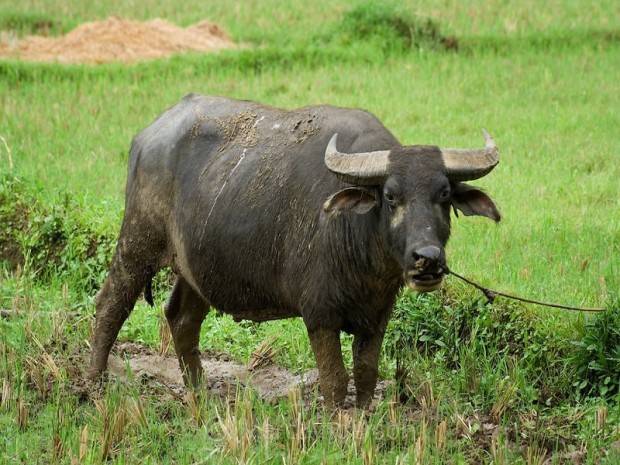
SULAT, Eastern Samar—The latest conflict in the Middle East may be raging thousands of miles away, but its impact is being keenly felt even in this coastal, fourth-class municipality, where the people will not be having local carabao meat for their fiesta celebrations this year.
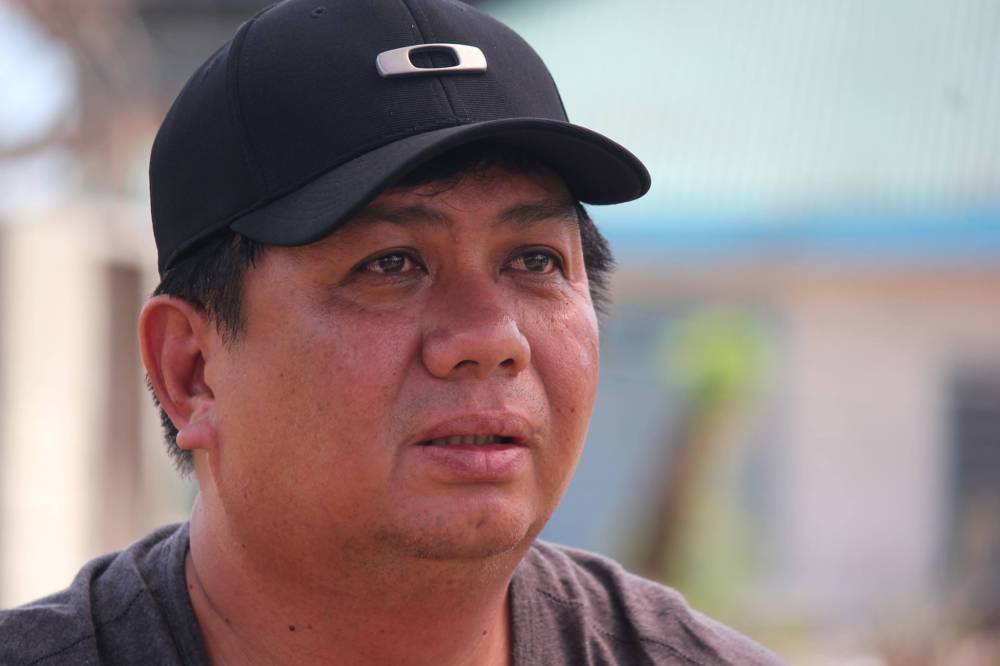
Sulat Mayor Javier Zacate issued on March 31 an order prohibiting the butchering of carabao, including during fiestas and other special events, “to ensure agricultural sustainability amid rising fuel prices.”
The transport of carabaos outside this town about 32 kilometers north of the capital city of Borongan “for any purpose” is also strictly prohibited.
Carabaos can be transported from other localities, the order said, but “under no circumstances” will they be brought in for butchering.
Old reliable partner
In his executive order, the first of its kind in the province, Zacate noted that the recent surge in the prices of fuel, particularly diesel that is used to power tractors, had “significantly impacted” farm operations. It could thus force farmers to again rely heavily on the hardy carabao for tilling their fields.
“The continued availability of carabaos is [therefore] essential to sustaining rice production and food security for the community,” he said.
Those who still want to enjoy traditional fiesta dishes like the local versions of beef steak, “caldereta” and the centerpiece “laoya”—a hearty, slow cooked soupy dish similar to “nilaga”—will have to either bring in carabeef from out of town or just do without it for the meantime.
Dances, concerts
The prohibition is complemented by a separate order from town hall to tone down fiesta celebrations as part of energy conservation efforts. The activities, for example, will be shortened to just one day.
“There is a need to promote a more disciplined, meaningful and economically responsible celebration of fiestas, while preserving their religious and cultural significance,” Zacate said.
He also issued another order barring the use of public funds for “nonessential entertainment activities,” such as dances and concerts, during the “Mayu-Mayohay,” or the monthlong celebration in May in honor of St. Isidore the Laborer, the patron saint of farmers.
Private, family-based or small community gatherings are allowed but should be “conducted responsibly.”

“Right now we are doing an inventory of all of the farm animals that we have and the barangays have already been directed to hasten vegetable and root crop production to shore up food supply for the town,” the mayor told the Inquirer in an interview.
Zacate said that it is also possible that the butchering ban and related austerity measures will extend for several months, perhaps even affecting the July 31 fiesta honoring St. Ignatius of Loyola, the town’s patron saint.
The establishment of community pantries is also under way to give local supply an added boost as the town braces for an extended crisis in the Middle East.
******
Get real-time news updates: inqnews.net/inqviber