



Rising fuel costs dent tourism in E. Visayas

TACLOBAN CITY—The ongoing global oil crisis is beginning to weigh on tourism in parts of the country, with Eastern Visayas reporting a notable dip in visitor arrivals during the recent Holy Week, while other destinations showed resilience or mixed results.
The Department of Tourism (DOT) in Eastern Visayas said arrivals at Daniel Z. Romualdez Airport, the region’s main gateway, fell by about 15 percent during the peak travel period, citing rising fuel prices and travel uncertainties as key factors.
“For Eastern Visayas, yes, there has been a decline. During the Holy Week break, arrivals at DZR Airport dropped by 15 percent,” DOT Regional Director Karina Rosa Tiopes told the Inquirer, noting that final figures are still being consolidated.
Tourism stakeholders also reported booking cancellations linked to rising fuel costs, affecting both domestic and international travel. At the local level, the town of Burauen in Leyte recorded a slight dip in visitors, from 879 in February to 847 in March.
Canceled bookings
Although the decline seems modest, tourism officer Carmela Corazon Crebillo noted that the full effect may be more evident in April, particularly if global oil tensions persist.
Burauen is home to Mahagnao Volcano Natural Park, one of the region’s key ecotourism sites.
Other destinations maintained steady tourist activities despite fuel challenges. In Sipalay City, Negros Occidental, overnight arrivals ranged from 3,500 to 4,000, with day visitors totaling 5,000 to 6,000 daily.
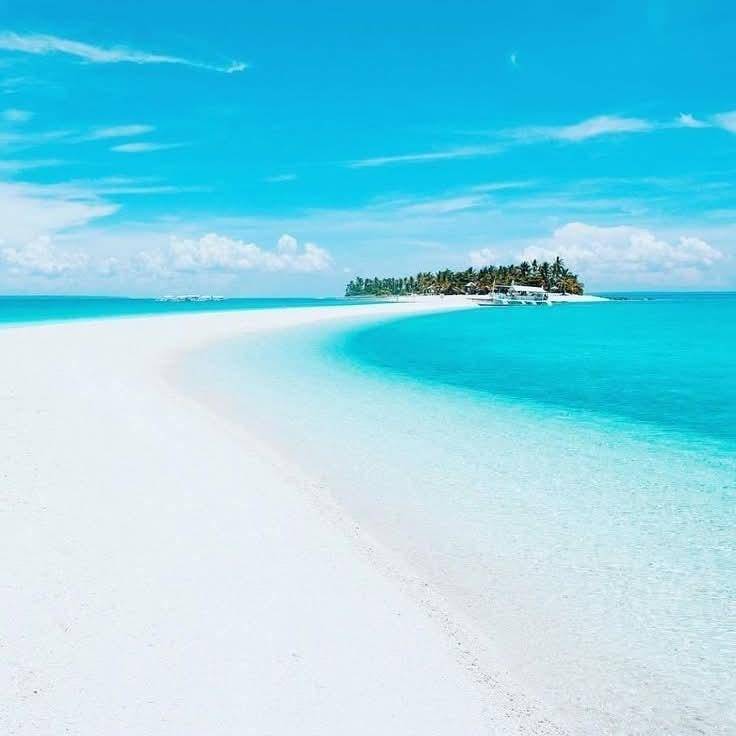
Tourism officer Jeck Lacson said many travelers opted for nearer destinations to reduce travel costs.
“Instead of going out of the province or Negros Island, they chose to travel to Sipalay because it is closer and more practical,” he said.
The Mambukal Resort and Wildlife Sanctuary in Murcia, Negros Occidental, welcomed nearly 7,000 guests from Maundy Thursday to Easter Sunday, Provincial Administrator Rayfrando Diaz reported on Monday.
Easter Sunday alone saw 2,416 visitors, with the resort so full that some guests picnicked under trees due to occupied huts.
Mambukal, located about 45 minutes from Bacolod City, is known for its seven-tiered waterfalls, nature trails, hot sulfur spring pools, Japanese-inspired ofuro baths, and boating lagoon, offering visitors a refreshing mountain escape.
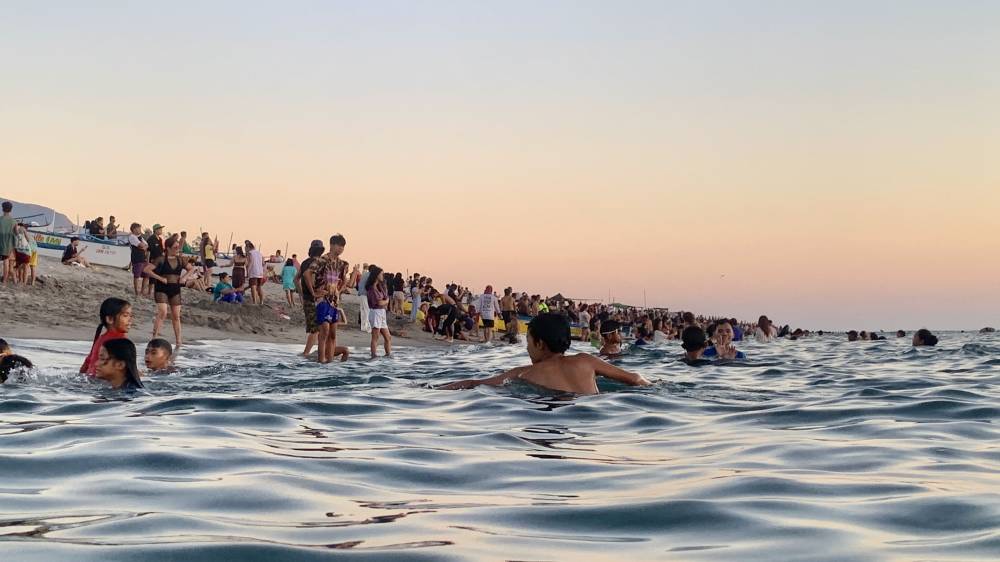
In Zambales, tourism showed both highs and lows. Coastal destinations remained popular, with tens of thousands flocking to beaches in the coastal barangay of Pundaquit, San Antonio, and nearby town of San Felipe.
Boat operators continued to offer tours despite rising diesel costs, though earnings were significantly affected.

Travel plans
“One group that I talked to spent around P15,000 worth of diesel from Thursday to Sunday. Before, that would have been full profit; now nearly half goes to fuel expenses,” said Wensislao Pergis, president of the Pundaquit Ferry Boat Owners Association.
In San Felipe, resorts were mostly fully booked, with many visitors adjusting travel plans by commuting instead of driving.
Rates for activities such as banana boat and dragon boat rides doubled, and ATV (all-terrain vehicle) rentals increased from P800–P1,200 to P1,200–P1,500 per hour due to fuel costs.
Despite this, demand remained strong, and local restaurants maintained reasonable prices.
However, some inland destinations experienced declines. Mapanuepe Lake in Zambales’ San Marcelino town saw visitor arrivals drop from 3,123 last year to 1,928 during the Holy Week.
The crater lake, formed by the 1991 eruption of Mt. Pinatubo, prohibits swimming due to unstable volcanic sediments.
Tourists primarily set up tents, enjoyed the scenic hills and forest backdrop, and sought a quiet retreat away from crowded beaches. —REPORTS FROM JOEY A. GABIETA, CARLA P. GOMEZ AND JOANNA ROSE AGLIBOT