







No price hike of meds until June

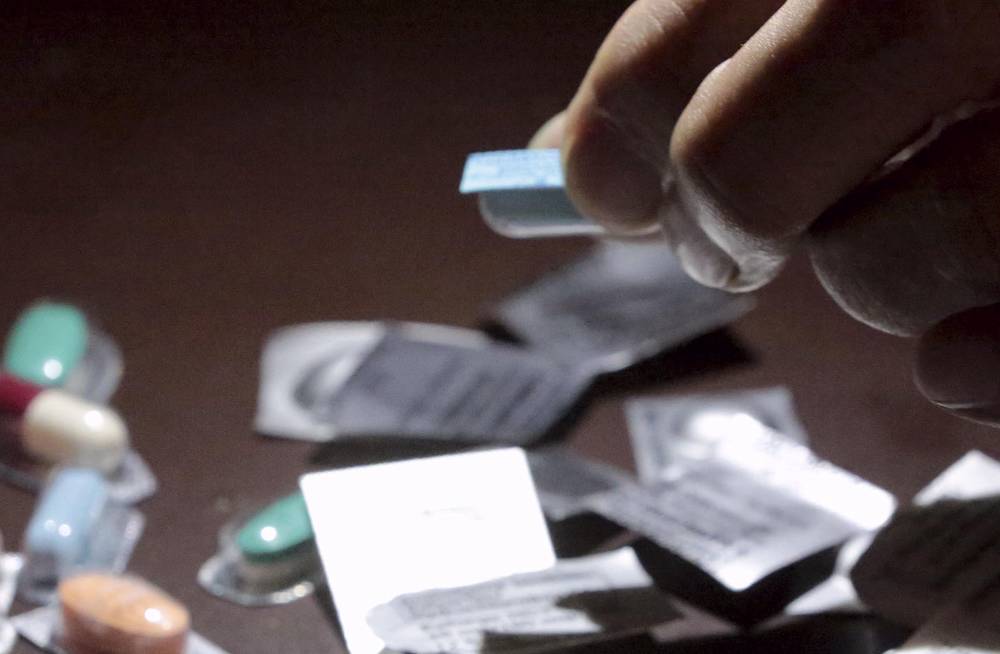
A group of private hospitals on Monday said it does not expect a possible price increase in medicines until June amid the ongoing conflict in the Middle East, which some biopharmaceutical companies say may cause disruptions in the global drug supply chain.
Jose Rene de Grano, president of Private Hospitals Association of the Philippines, said the group’s hospitals have not yet reported any shortage or price increases in medicines despite soaring fuel costs.
“Usually, it may take around two or three months for suppliers to notify the hospitals of the increase if ever. At least we are not like the oil companies who make the increase even if the stocks are still the old ones,” he told the Inquirer in a Viber message, noting that the earliest possible price hike may come in June.
De Grano attributed this to the fact that the country’s pharmaceutical industry is “very competitive.”
“They (pharmaceutical companies) will not just increase their prices because they may lose clients. Hospitals usually go to the lowest proposals so they have more mark-ups and better profit margin,” he said.
The country imports most of its medicines from India and China.
‘Very competitive’ industry
However, De Grano said the depreciation of the peso against the US dollar, with the exchange rate at P60.3270 to $1 as of Monday, would force hospitals to buy imported medicines, reagents and supplies at a higher cost.
Even so, he said it would not be easy for private hospitals to impose price increases given a “very competitive” industry, adding that the cost of most medicines is also controlled by the government.
“As much as possible, if we can absorb any increase, then the hospitals just observe and see whether it affects our operations. And because there is a vast area of resources, it is not a fixed thing,” De Grano said, referring to a possible price increase.
Meanwhile, the Pharmaceutical and Healthcare Association of the Philippines (PHAP) warned that the conflict in the Middle East, which is a “critical hub for shipping essential goods, including medicines and raw materials,” may cause a shortage in the country’s drug supply if it continues.

“While no immediate shortages are evident, prolonged disruptions pose real risks. With 12- to 24-month manufacturing lead times for some life-saving medicines, current constraints could lead to future supply gaps,” the group said in a statement.
Inventory buffer
To mitigate risks, PHAP proposed the adoption of a six-month national inventory buffer for essential medicines that can absorb any possible delays and prevent a shortage during a prolonged supply disruption.
The group also called for the establishment of a national medicine logistics command center that enables real-time monitoring and faster response to emerging bottlenecks, as well as green lanes that would prioritize pharmaceutical shipments at the country’s ports.
The government should also ensure fuel allocation for pharmaceutical companies and provide tax credits or subsidies to help the industry manage elevated logistics and operational costs, PHAP added.