







The horrors of clout-chasing

Summer is here and with it, a multitude of content possibilities. It’s the season for vacation vlogs, beach photo dumps, and viral challenges. With students and young adults on vacation and looking for ways to kill boredom, the audience opens up, and it’s always tempting to create and post more to maximize potential engagement.
But just how far are people willing to go—and show—for the likes?
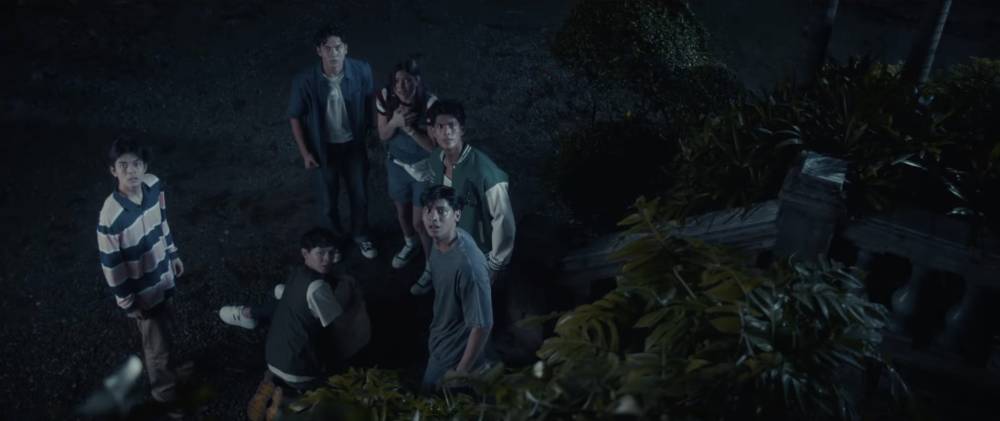
In the upcoming horror film “Huwag Kang Titingin,” disregard for traditional rituals and superstitions leads a recklessly inquisitive group of Gen Z friends into a digital horror trap. Before long, they’re running away from the clout they were chasing.
“Summer is a busy time for content. People share almost everything—where they go, their outfits, or their summer body. But what if something private and shouldn’t be seen by all is turned into content?” screenwriter Ays de Guzman says at a press conference.
Old rituals, viral challenges
While summer is usually associated with sandy beaches and carefree road trips, the film’s cast goes instead to a place where the sun seemingly never shines. They arrive in San Antonio, hoping to make a documentary on the remote town’s traditions and its ties to Anthony of Padua, the patron saint of lost objects, people, and souls.
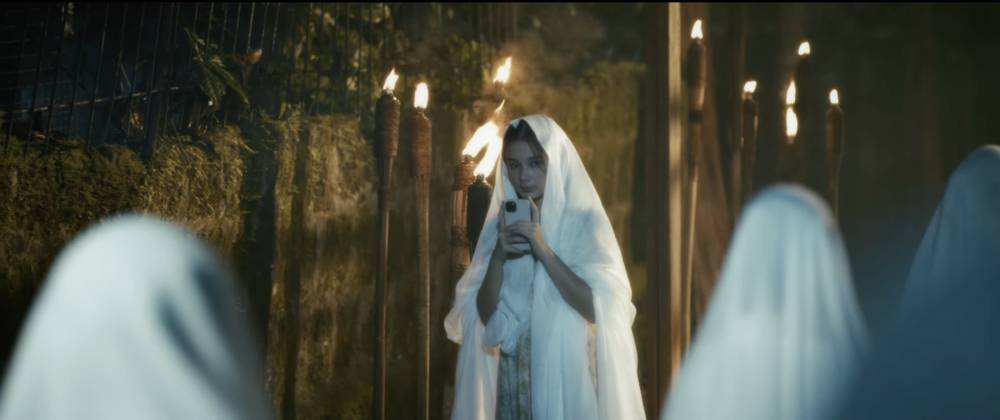
However, their curiosity—and itch for a viral thrill—inevitably gets the best of them. They participate in a viral trend that turns out to be an old forbidden ritual meant to communicate with the dead.
Unbeknown to those foolish enough to attempt it, the practice awakens malevolent entities such as the Umaaligid. Born of pain and vengeance from an unfinished business, the creature stalks its victims in their dreams and drags them slowly into its own nightmare. If you so much as look, you trigger the curse.
“What happens when something sacred is bastardized online? What are the consequences?” De Guzman says.
The inspiration for the film—opening in cinemas on April 15—came to De Guzman a few years back, when he stumbled upon the TikTok dance challenge for Zack Tabudlo’s “Habang Buhay.” He and frequent collaborator Frasco Mortiz had been raring to do a new summer horror flick featuring a new generation of actors—much like their 2013 hit “Pagpag: Siyam na Buhay.”
Casting proved more challenging than writing the story, but as luck would have it, their search coincided with the craze for “Pinoy Big Brother: Celebrity Collab Edition.”
Partnering with GMA Pictures and Mentorque Productions, they managed to assemble a cast composed mostly of fresh faces and former housemates from both seasons: Sofia Pablo (Selene), Marco Masa (Brian), Charlie Fleming (Kira), Michael Sager (Benj), Kira Balinger (Liza), Josh Ford (Onat), and Shuvee Etrata (Diane). Only Allen Ansay (Badong), Sean Lucas (A-Jay), and Anthony Constantino (Migz) weren’t part of the reality show.
Recipe for Gen Z horror
For the actors, a story where modern internet culture meets traditional folklore is the perfect recipe for Gen Z horror. Sure, some of them, such as Sager and Balinger, are familiar with superstitions, like the practice of pagpag after attending a wake or avoiding sweeping the floor at night. But many also admit that their knowledge of such isn’t as deep as that of their elders.
Meanwhile, social media has become an indelible part of their careers as celebrities, and drawing the line between what to share and what not to share with their fans is a tug-of-war they know all too well.

“The theme the film tackles is timely because I also believe there are some things that shouldn’t be turned into content. But because of views, we still do it. There’s also content out there that can be harmful,” says Pablo, adding that the film attempts to contextualize the attitudes and perspectives of young adults today, so older generations may better understand them.
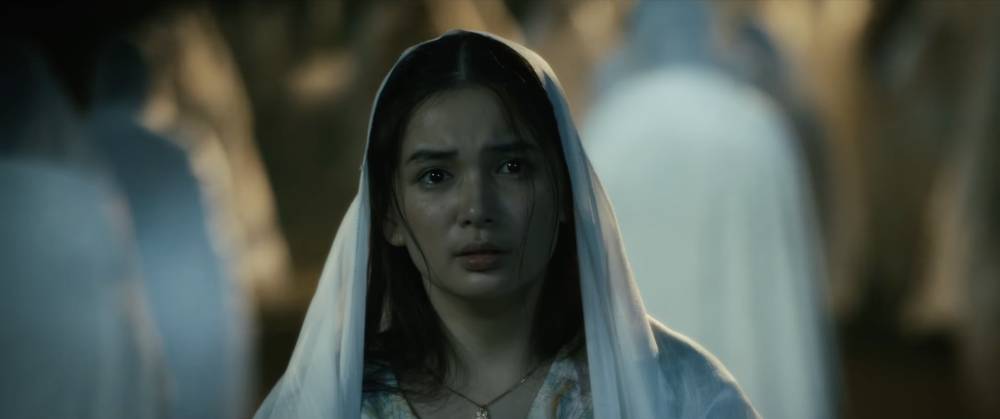
Because of the instant validation and the promise of fame many people crave, they will do whatever it takes just to watch their stats rack up, and notifications blow up—even if it means a debt will have to be paid, one way or another.
“I feel like ‘yong mga kabataan ngayon just do their own thing para mag-viral, sumikat. Gagawin lahat for fame. Pero hanggang saan ang kaya mo?” Etrata says. “Minsan, nagawa mo na, tapos nasa huli na ang pagsisisi.”
A double-edged sword
Growing up online has been a double-edged sword, Fleming tells Lifestyle Inquirer. She can’t dismiss the fact that her TikTok popularity led to her discovery in mainstream showbiz, but it also exposed her to personalities and messages she didn’t need to discover or hear—especially in her early teenage years: the hate train, stan culture gone overboard, and unrealistic beauty standards.
“It’s such a big thing right now, and we can’t control it anymore. There are a lot of bad things online. People should be careful about what they say because it can have such a huge impact on society,” she adds. “And sometimes, we just end up scrolling and scrolling, wasting our time and lives, instead of going out and seeing people.”
Indeed, the perils of social media in real life aren’t nearly as eerie or otherworldly as those in the movie. At least, they hope not. But that doesn’t make them any less damaging—or any easier to look away from.