






A dancer’s life, told through dance

I am a frustrated dancer. As a child, I used to dance to songs from musical theater and movie soundtracks. I used to imitate ballet and contemporary dance movements when I danced—but it was the ’80s, and there was a mindset that “real men” don’t dance ballet, especially here in the Philippines.
So when my parents asked me if I wanted to take up dance classes when I was 10 years old, I said “no.” I didn’t want to suffer the discrimination and stigma, and at that time, I didn’t see how one could have a career as a dancer.
It wasn’t until 2012 that I started to watch ballet performances and contemporary dance shows. I got to see performances by the Daloy Dance Company, Air Dance, and shows like NeoFilipino.
At that time, modern dance was moving toward impressionistic styles—movement as art—and it was very figurative and highly conceptual. I was thrilled to finally engage with an art form I had always loved, but I was still looking for the choreographies that were more dance-oriented. I wanted to see lifts and pirouettes and dēveloppē. I wanted to see shows where the dances looked more like what I saw in “So You Think You Can Dance,”s which I watched religiously for 12 seasons.
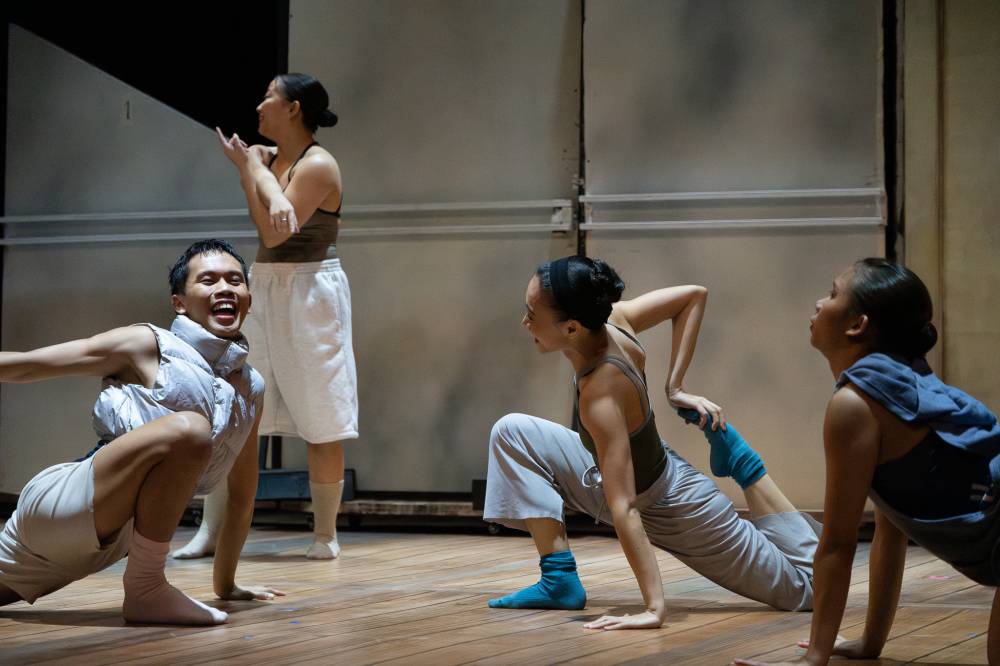
So while watching the rehearsals of “A Dance in a Day in a Dance” by Mari Dance, I was so thrilled to see what it is that I have been looking for—starved for—for a long time.
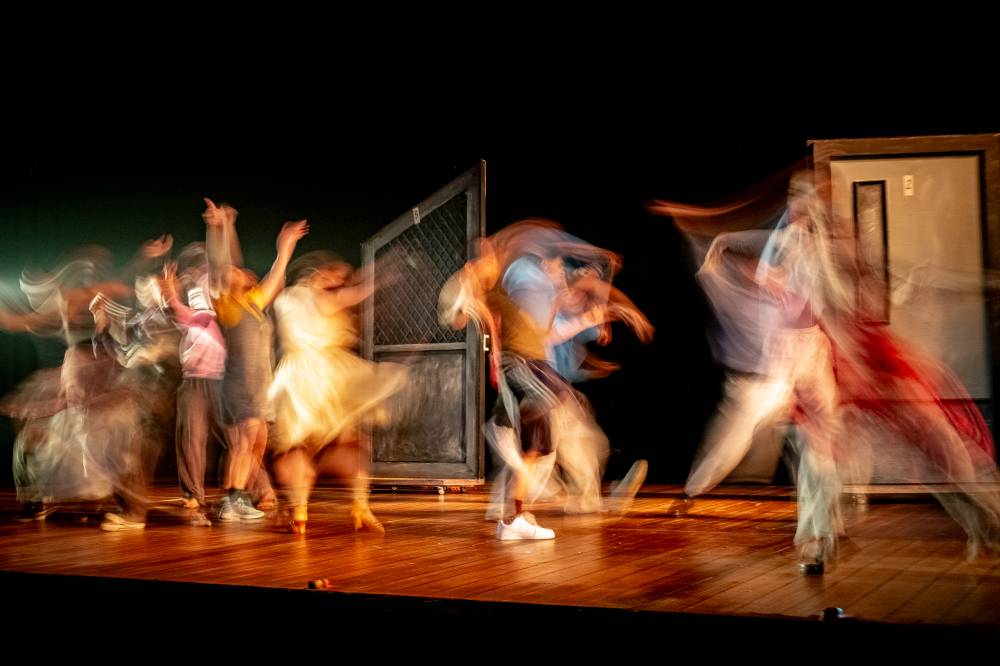
A contemporary dance performance
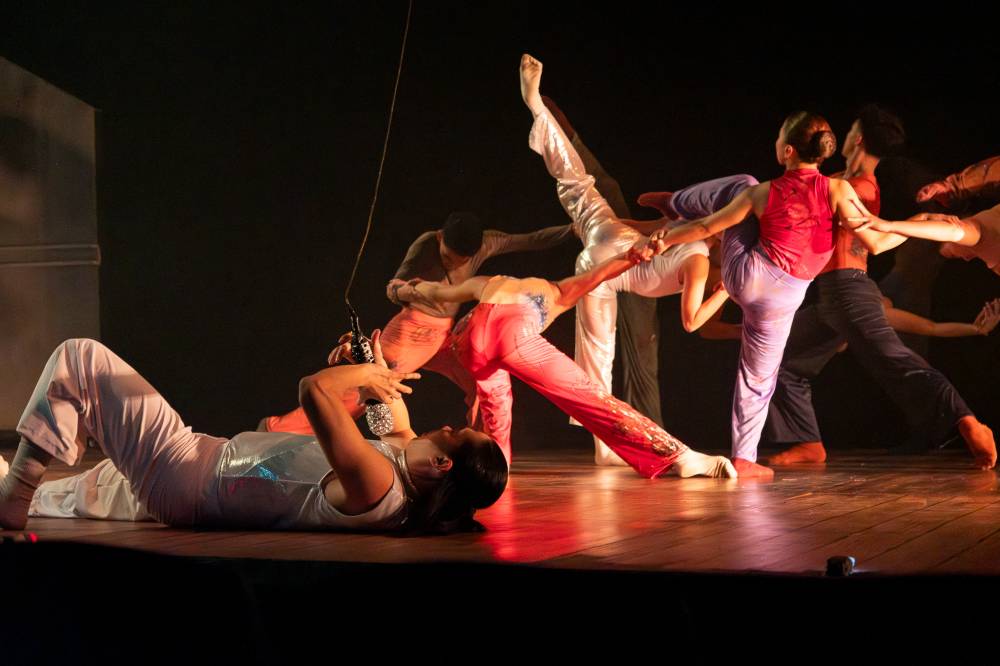
“A Dance in a Day in a Dance” is a contemporary dance theater performance that takes five pieces of choreography by award-winning choreographer JM Cabling and creates transitional choreography that threads the five pieces together. These pieces have already been performed on platforms like International Dance Day 2025, NeoFilipino, Koryolab, and others.
The pieces are “A Day In a Life,” “I Wanna Say Something,” “Ang Lihim ni Lea,” “Bent,” and “Nothing Special.” Threading these stories together is new material, which finds veteran contemporary dancer Al Bernard Garcia in the role of a tough dance teacher and choreographer. He’s actually quite ruthless and cruel, and through the course of the show, he discovers his failings and seeks redemption.
The show was staged last October, where the members of the fledgling dance company found a rather surprisingly good turnout. And they are restaging it from May 16 to 31 at the Arete with some changes.
Based on experience
When asked about the origins of the show, Cabling shares that he had asked director Mikko Angeles for help in putting together “A Dance in a Day in a Dance,” as they had worked previously on the musical “Mula sa Buwan.”
Angeles’ first note? He didn’t want it to look like a dance recital.
Cabling showed his existing dance pieces, and it was Angeles who chose the five pieces. And when it came to crafting the transitional story that created the narrative, Cabling confesses that it is a personal story. “Sobrang related ‘to kung papaano ako sa mga dancers ko before,” he admits, adding that at the start of his teaching career, he was much like the principal in the show.
“I feel it was my upbringing because I had teachers like that in the past,” he shares. “I thought that was the way. I also heard stories from them that they had teachers and choreographers like that. But after studying in New York, I realized there were so many other ways to teach any one thing.”
Through the support of the Asian Cultural Council, Cabling was able to get a fellowship in New York. “That was life-changing,” he says. “People who knew me before would say that ‘ibang-iba si JM ngayon, ang bait na niya’ or something like that.”
And when I asked him if this show is a sort of way of taking accountability, he agreed. “If I make a piece like this, kailangan isabuhay ko every single time. It’s a conscious effort for me,” Cabling says.
A “sustainable” dance company
Mari Dance is composed of Cabling, Ricca Bautista, Abbey Carlos, Sarah Samaniego, and Michael Que. They formed two years ago to create a dance company that Cabling wanted to be “sustainable.” They were all friends from before and are all currently teaching at the Guang Ming College of the Performing Arts. As most of their dancers are outsourced, they set up the company to provide their students with work in contemporary dance.
Most of the dancers in the show are students from Guang Ming, many of whom are scholars from the different regions in the country. “We have a lot of students from Butuan who really were strong to begin with because they had a very good Dep Ed teacher who wanted to put up a dance group,” says Bautista as she begins to enumerate where many of their dancers come from.

And while many are not classically trained, they all have different styles and techniques that they bring to the table. “Other people come from the festival circuit—like Sinulog—and that’s the technique they bring with them,” continues Bautista. “We have three from Bicol who had the privilege to have done workshops with Alice Reyes Dance Philippines, so when they came in, they had the technique to begin with.”
Mirroring the day-to-day life of dancers
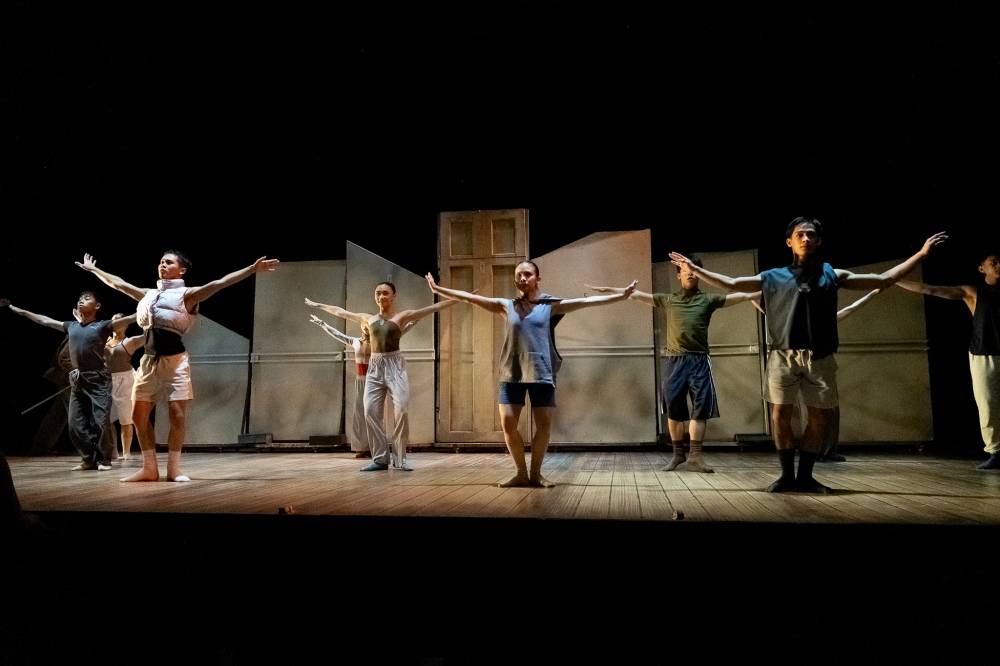
Mari Dance is working toward providing contemporary dancers with the experience to work in shows that they could use to hone their skills and maybe even bring back home. In a way, the day-to-day life of dancers is what “A Dance in a Day in a Dance” is about—the everyday struggles, triumphs, and learnings of a contemporary dancer.
“For this show, it’s sort of related to Mari Dance’s branding,” explains Bautista. “Because it’s the life of dancers.”
While their October show did fairly well, it was a totally new experience for everyone in the company. They consider it like working “on a thesis.” They were able to break even, and with all their new learnings, they plan to do better for this encore performance. In fact, they have raised the performances to 15 shows and are aggressively marketing it to get more people to be interested in dance, and for audiences to see it the same way as musical theater.
“We call ourselves dance theater because it also emphasizes the need to collaborate with set, music, direction, and storytelling as a whole,” Bautista shares.
Aside from Angeles, who is directing, they have also brought in D Cortezano for lighting design, Wika Nadera for set design, Arvy Dimaculangan for sound design, and projections by Joyce Garcia.
Riding on the rise of musical theater
The rehearsal I saw was already moving, with me getting goosebumps as the show reached its final piece—the loose story manages to build the momentum needed for a weighty catharsis. That said, I wonder what the full show would look like with all the theatrical elements included in the mix.
In order to get the show out there, they decided to piggyback on the rise of musical theater, with Cabling stating that he wanted “something with a clear story.” Bautista, meanwhile, adds that they are approaching their marketing along the lines of, “If you like musical theater, why don’t you give this a chance?”