






Solar push helps Pakistan temper energy shock

Pakistan’s solar power push has cushioned the full impact of the war in the Middle East, analysts said, despite lingering concerns over fuel supplies and rising prices.
A study published last month assessed that the uptake of solar around 2018 helped the country avoid more than $12 billion in oil and gas imports up to February this year.
At projected market prices, it could save a further $6.3 billion by the end of 2026, said Renewables First and the Centre for Research on Energy and Clean Air.
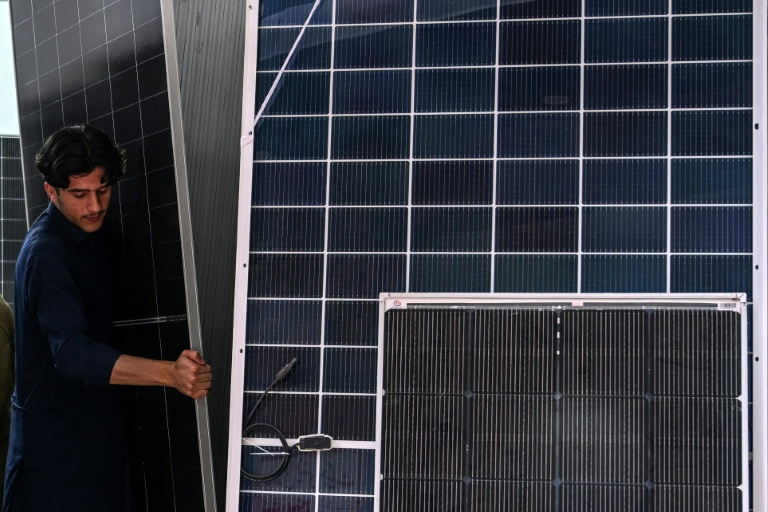
In the bustling side streets of Lahore, in northeast Pakistan, shopkeeper Aftab Ahmed, 49, was out shopping for solar panels to install at home to help him cut costs.
“The current fuel situation in our country is such that fuel has gone beyond the reach of the common person,” he told Agence France-Presse (AFP) last Friday.
Hours earlier, the government in Islamabad announced an eye-watering 42.7-percent hike in the price of petrol and 54.9 percent on diesel.
That brought protesters onto the streets, sparked queues at fuel stations, and led the government to announce free state-run public transport for a month.
Uninterrupted power
Rooftop solar panels are everywhere in Pakistan, helping to provide uninterrupted power and avoid often lengthy cuts in grid supply, particularly when temperatures soar.
Nabiya Imran, an energy analyst with Renewables First in the capital Islamabad, said they have also helped ease the burden caused by the disruption to shipping in the Gulf.
Pakistan’s solar surge does not mean it is immune to the supply shortages that have hit countries across Asia.
Last month, the government introduced austerity measures. The working week for public sector employees was cut to four days and schools were shut.
The Pakistan Super League cricket tournament was also cut from six venues to two, and crowds were banned, to save fuel.

But solar has made working from home more viable and affordable for Pakistanis because it cuts reliance on the grid and imported gas.
The International Energy Agency has estimated that more than 40 million of Pakistan’s more than 240 million people do not have access to electricity.
For Renewables First’s Nabiya Imran, the Gulf crisis has shown the need for less reliance on fossil fuels and energy security using renewable sources.
She noted that Pakistan spent around 11 percent of its gross domestic product on fossil fuel imports including oil, coal, and liquefied natural gas in the 2024 fiscal year.
“That is a big chunk of money to be spending for a country like Pakistan, which could be going towards other aspects of development.”