


Frustration fuels Peru’s overcrowded presidential vote

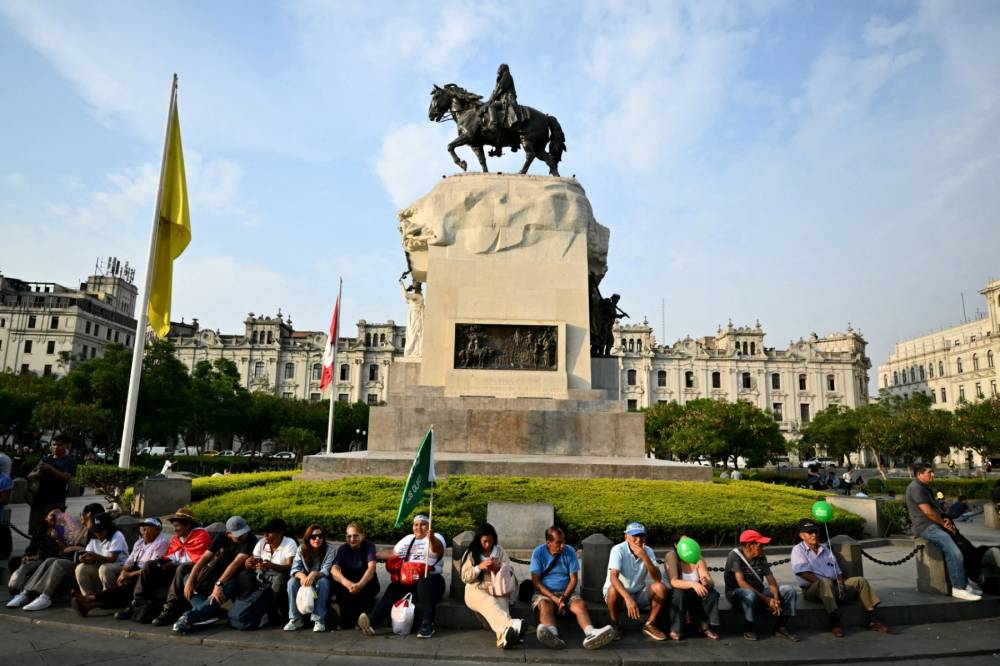
Peruvians will choose from a bewildering array of 35 presidential candidates this Sunday, electing the next leader of an Andean nation beset by crime and a string of short-lived, scandal‑tainted presidencies.
“Now any old person runs for office,” said 51-year-old schoolteacher Jane Layza, pondering the plethora of presidential hopefuls, and how she will cast her ballot.
A few in the field are well known—a popular male comic, the daughter of a brutal autocrat, and a former Lima mayor who likens himself to a cartoon pig.
But no candidate is polling above the teens, and it is unlikely any will break the 50-percent threshold needed to avoid a runoff. That is frustrating news for fed-up Peruvians.
Political instability
Pocked with stifling jungles, brilliant snowcapped peaks, and bone-dry deserts, this crucible of the Inca Empire has in recent years struggled with chronic political instability and a surge in organized crime.
The country has had eight presidents in the last decade. So many have been removed from office and jailed that they have a specialized prison of their own.
Latinobarometro pollsters found more than 90 percent of Peruvians have “little” or “no confidence” in their government and parliament, the highest figures in Latin America.
“I’m not going to vote for anyone who is in government today, that much is very clear,” said 56-year-old shopkeeper Nancy Chuqui.
In the last decade, the homicide rate has more than doubled.
Peruvian police once received 3,200 reports of extortion a year. Now they get at least 26,500—and that is unlikely to be the full total.
It is not just that criminality has increased in volume, according to sociologist Patricia Zarate. “What has changed is the harshness, the intensity of crime: extortion, attacks, murders,” she said.
A kaleidoscope of foreign criminal gangs from Venezuela, Colombia, Ecuador, and Mexico compete with homegrown rivals for control of lucrative trafficking routes and other illicit business.
Stable economy
Paradoxically, the Peruvian economy remains one of the most stable in the region, with the lowest inflation in Latin America and growing mining exports.
Polls suggest that Peruvians, like many in Latin America, are looking to right-wing candidates for answers. But experts say the election could throw up a surprise.
In 2021, leftist Pedro Castillo polled in seventh place a week before the first round, but eventually won.
This time around, candidates have tried to break through to voters with last-minute, headline-grabbing promises on crime.
Former Lima Mayor Rafael Lopez Aliaga, aka “Porky,” vowed to send criminals to Amazon jails ringed with deadly snakes.

Front-runner Keiko Fujimori, in her fourth attempt to win the presidency, has promised to copy her late father’s widely denounced use of anonymous judges.
She leads with 15 percent in an Ipsos poll published last Sunday, the last one authorized before the election.
Voting is compulsory for about 27 million Peruvians, out of a total population of 34 million.
Incumbent Jose Maria Balcazar, interim president for less than two months, is barred from running.
According to Ipsos, a third of voters remain undecided, or plan to cast a blank or spoiled ballot.
Political scientist Eduardo Dargent said many Peruvians will vote with little or no information. There are so many candidates that there’s no way to get to know them all, he said.
******
Get real-time news updates: inqnews.net/inqviber