

DOE looking into 1,000 fuel pricing complaints


The Department of Energy (DOE) has stepped up its drive against fuel hoarding and profiteering, reporting close to 1,000 complaints of irregular fuel pricing across the country.
The DOE reported initial results of the campaign as a super committee of the House of Representatives said it was fast-tracking energy-related measures even if Congress is in recess.
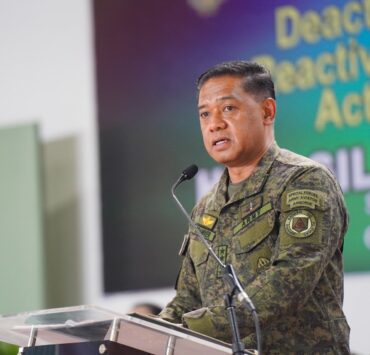
Energy Secretary Sharon Garin said the agency has issued close to 100 show-cause orders against establishments, mostly gasoline stations, suspected of hoarding or profiteering.
“Some were closed down by [local government units],” Garin said in a Palace statement. “But as far as the DOE is concerned, if there’s a proven case of profiteering or hoarding, we can cancel their permits so they can no longer operate.”
“I think we issued less than a 100 show-cause order. Our legal department is now determining who should be charged together with the lawyers of the LGUs and [the Philippine National Police],” Garin stated.
“Many of these gas stations returned to proper prices once the PNP went there, or the mayor went there,” she added. Garin released the number of violators after the House’s Legislative Energy Action Development (Lead) urged the DOE, Philippine Competition Commission (PCC) and Energy Regulation Commission (ERC) to act on the “cartel-like behavior” of oil companies amid the rising cost of fuel.
Marikina Rep. Miro Quimbo, chair of Lead panel consisting of 17 House committees and 170 congressmen, said on Saturday that the DOE should act on policies that inadvertently promote cartelization in the oil industry.
“If we do not thoroughly check the costing, we will not know how the prices are generated. We will not know their inventories of gasoline, and we will not see the correct effect of Oil Deregulation Law,” Quimbo said at the Saturday News Forum in Quezon City.
Failed mandate
Quimbo said the Oil Deregulation Law was meant to fulfill “fantastic objectives,” such as welcoming more investors and refineries, to lower the cost of fuel products. However, he said that it is not the case now as there are less refineries and prices are not suitable for fair competition in the market.
“So the PCC and ERC, as well as the DOE, they need to work because we have been waiting for this for a long time. They have not come out with any single finding of cartel-like behavior,” he added.
Citing the earlier testimony of Economic Planning Secretary Arsenio Balisacan that the DOE policy directing oil companies to follow a mechanism of adjusting fuel products once a week constitutes cartel-like behavior.
Quimbo said oil companies are expected to explain similar policies in a panel discussion on the oil crisis in the House on Monday.
Quimbo, also chair of the committee on ways and means, said lawmakers have been working through the break since March 21 to work on measures to be presented to the House plenary when it resumes its regular session.
“When we start formal sessions in the first week of May, we will have proposed measures that will address our present urgent needs,” Quimbo said in a radio interview on Saturday.