
Probing collusion, cartelization

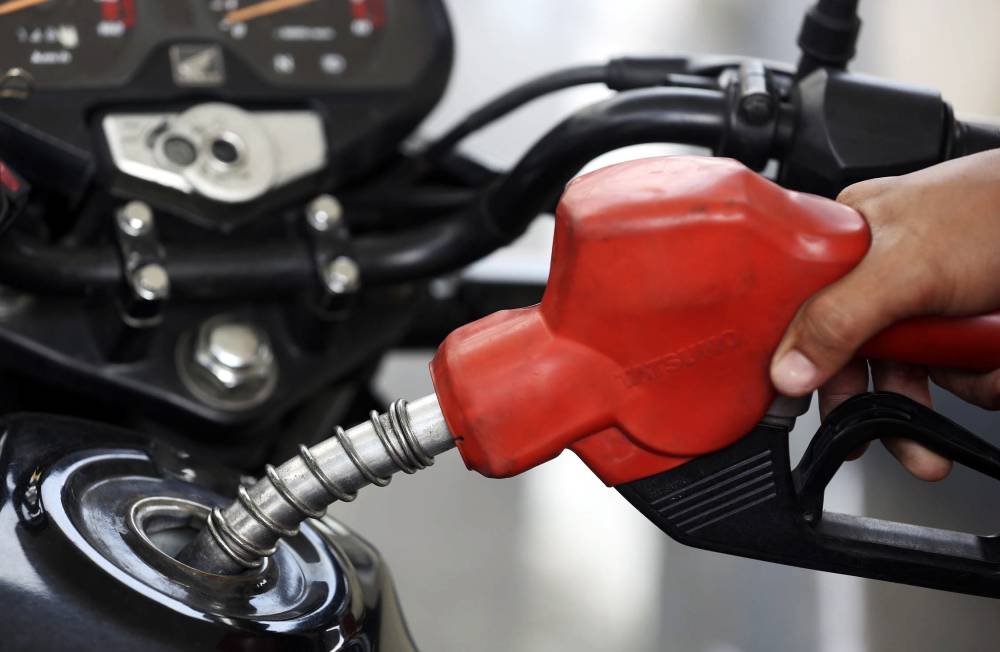
Filipinos suffered some of the steepest hikes in diesel and gasoline prices in Southeast Asia in the weeks following the United States and Israel’s joint war on Iran, predictably leading to corresponding increases in the prices of practically everything else, from utilities to food, logistics, and transport fares.
And while motorists got a reprieve with the rare rollback on Tuesday following the drop in global market prices, prices at the pump remain elevated.
Energy Secretary Sharon Garin even warned that the era of P60 a liter fuel prices may be over, especially with the US’ plan to block ships at the Strait of Hormuz coming from Iranian ports, thus blocking the free flow of supply from the oil-rich region.
However, putting the blame for sky-high local oil prices solely on Iran’s move to close the vital Strait of Hormuz, through which almost all of the country’s imported oil comes through, may be a lazy way of explaining the mystery of why Filipinos have been pummeled by weekly, double-digit price hikes that are more severe than in the rest of the region.
Inquirer data sourced from GlobalPetrolPrices.com showed that as of March 30, diesel prices in the Philippines have surged by 111 percent, slightly below Myanmar’s 119.9 percent and Laos’ 117.5 percent.
Anticompetitive practices
Gasoline prices, on the other hand, spiked by 71.6 percent, just next to Myanmar’s 100 percent.
It is thus about time that Congress takes a long and hard look at the possibility that there may be collusion or cartel-like behavior among the dominant petroleum distribution companies that are keeping prices higher than they should be.
Economic Planning Secretary Arsenio Balisacan himself sounded the alarm last week, telling the House Legislative Energy Action Development (LEAD) committee that the Philippine Competition Commission (PCC) and the Energy Regulatory Commission (ERC) have the power to probe whether local oil firms were indeed engaging in “anticompetitive” practices that lead to lofty prices, noting the “seemingly excessive margins” during this raging crisis.
“We have the laws and the tools to look, review, investigate whether the players in those industries are abusing their dominance,” Balisacan stressed, adding that “what we need is really a better coordination between the ERC and the PCC in enforcing anticompetitive practices in the industry. This issue about high margins, excess profits, can be looked [at] by them.”
“The issue is that oil regulators are not exercising their powers to make sure that market players are being fair in the way they play their game in the market,” he added.
Deregulated environment
This followed initial findings by the House multi-committee energy crisis response body that setting prices every Tuesday may have encouraged “cartelization” in a vital market dominated by a few players, in that when the big players announce their price estimates ahead of Tuesday, others tend to match them, thus constricting real competition to drive prices lower.
Marikina City Rep. Miro Quimbo, House ways and means committee chair and presiding officer of the LEAD Council stopped short, however, of saying there was outright collusion among the oil companies, thus the commitment to call the oil companies to a hearing soon precisely to determine once and for all whether there is indeed a concerted effort to keep prices high and thus protect their profit margins.

Under a deregulated environment, oil companies are indeed free to dictate their selling prices under the understanding that a competitive environment should give them the incentive to sell their products as cheaply as possible to win market share.
But as Balisacan said, basic economic principles dictate that when there are very few players then it is far easier for them to get together and protect their profit margins by keeping prices price.
Not just immoral
Unbridled competition allows such a situation to foster, thus it is up to Philippine regulators to deploy all of the legal tools under their disposal to rein in excesses and ensure that private companies do not earn to the extent that they are already trampling on Filipinos’ rights to fairly priced products, more so such a politically and economically important commodity such as oil.
As Quimbo noted, competition should be “aggressively checked,” because absence of a rigorous regulatory environment breeds “cartelized behavior in the economy.”
Regulators should demonstrate independence from these deep-pocketed oil industry behemoths and show that they will be as enthusiastic about making them answer for any possible legal violations as they are about penalizing small gasoline station operators suspected of hoarding or price manipulation.
Indeed, artificially inflating selling prices at this time that is considered the worst energy crisis in modern history is not just immoral but illegal and the Marcos administration should firmly resolve to use the full weight of the law to ensure that the giants in the local oil industry are not using their dominance of their market to the detriment of the Filipino public.