










Peso sinks past 61 vs $1, a new record low

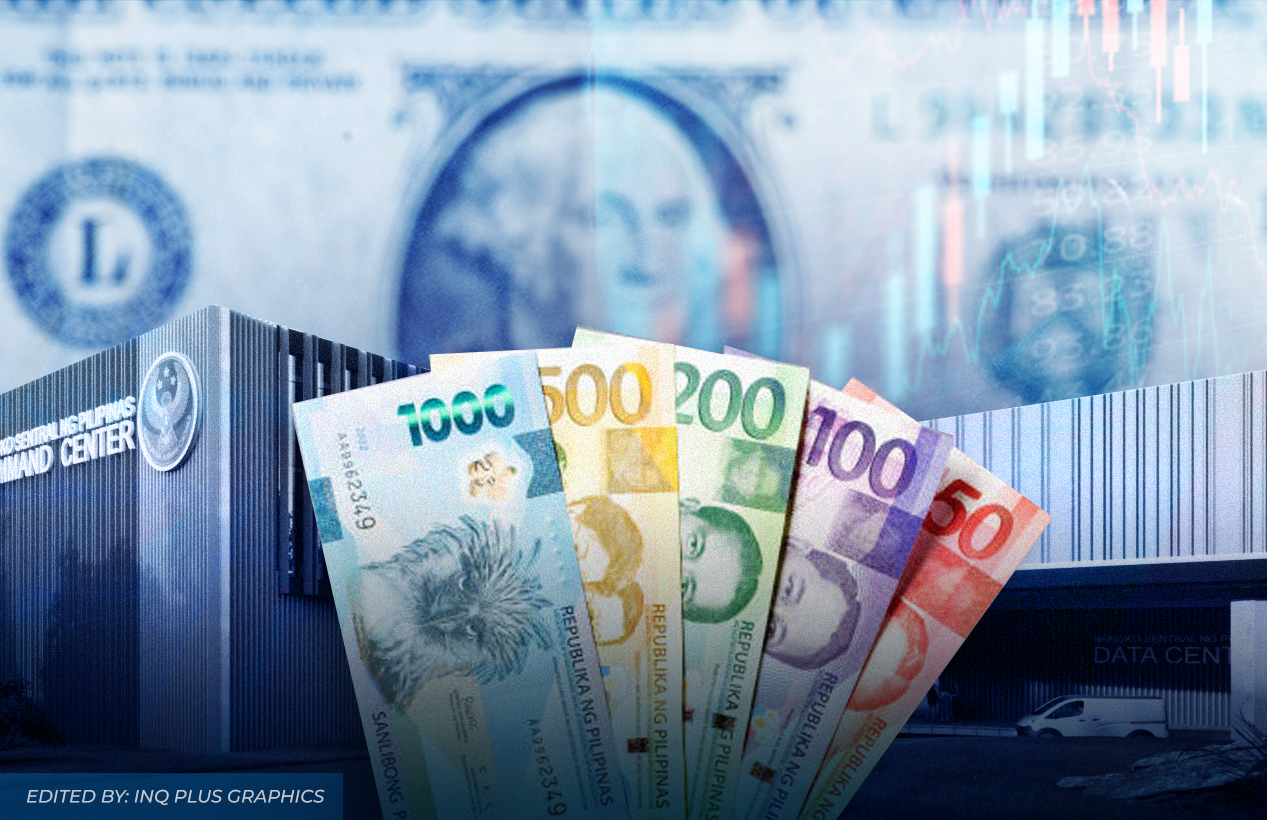
The Philippine peso fell to a fresh record low on Tuesday, breaching the 61-per-dollar level for the first time as a broadly stronger US dollar weighed on Asian currencies during a packed week of central bank meetings, including a Federal Reserve decision clouded by uncertainty over the Middle East conflict.
The local currency weakened by 59 centavos to close at 61.30 against the greenback, according to data from the Bankers Association of the Philippines, surpassing its previous record low close of 60.748 on March 31.
The peso also ended at its weakest level of the session, edging past its prior all-time intraday low of 60.84 recorded on March 30. Trading volume rose to $1.7 billion from $1.4 billion in the previous session.
The Bank of Japan kept its policy rate steady on Tuesday, the first decision in a busy week for major central banks.
Investors are now looking to the Federal Reserve’s meeting later this week, where policymakers are also expected to hold rates steady as a diplomatic deadlock between the United States and Iran adds uncertainty to the conflict in the Middle East.
A trader said hawkish guidance from the Fed had boosted demand for the greenback, bringing short-term pressure on Asian currencies such as the peso.
“This spike could be rather seen as a near-term pressure to local currency,” the trader said.
As it is, a weaker peso brings mixed effects.
Remittances from overseas Filipino workers stretch further in peso terms, supporting consumption, while exporters gain price competitiveness.
But the slide risks stoking imported inflation and raising the peso cost of servicing foreign-currency debt.
The latest bout of depreciation came despite the Bangko Sentral ng Pilipinas’ (BSP) decision last week to raise its key rate by a quarter point to 4.5 percent, the first tightening move in more than two years.
Officials described the move as “preemptive,” citing a deteriorating inflation outlook as the conflict in the Middle East drags on.
The central bank now expects inflation to average 6.3 percent this year and 4.3 percent in 2027, breaching its 2-percent to 4-percent target range.

A trader said the rate increase helped steady the peso but was not enough to perk up market sentiment.
“The peso’s drop to new lows is mainly a strong dollar story,” the trader said. “US rates are high, money is moving out of emerging markets, and local demand for dollars such as importers remains firm.”
At a media roundtable, Aris Dacanay, a senior economist at HSBC Global Investment Research, said the central bank appeared willing to tolerate some peso weakness to support exports, with intervention likely only if the depreciation became sharp and disorderly.
“There’s no magic number because our policy is that it should be driven by market forces,” Dacanay said. “As long as it’s market driven, and the direction of the volatility is managed quite well, that’s the right policy.”
******
Get real-time news updates: inqnews.net/inqviber