







Lingering menace

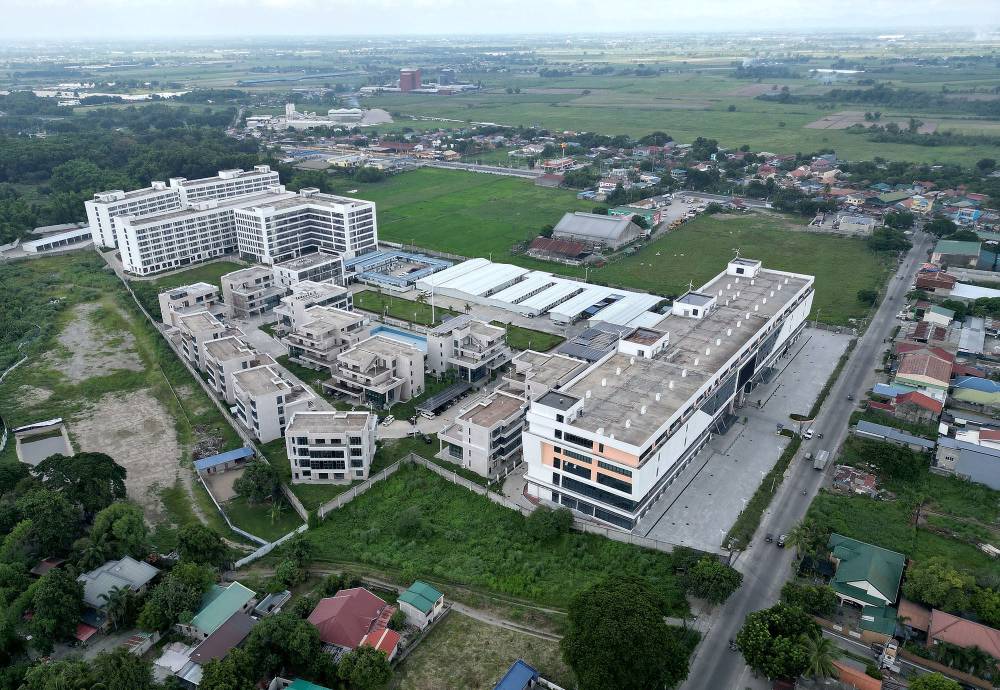
As late as 2020, in the fourth year of his administration, then President Rodrigo Duterte was adamant in defending the proliferation of Philippine offshore gaming operators (Pogos) in the country.
“Under my oath of office as President of the Republic … ‘yang Pogo na ‘yan, malinis ‘yan (the Pogos are clean),” he said.
His justification? “Because it gives us P2 billion a month,” he declared. And “it employs something like 20,000 in Manila.”
Pogos had exploded under Duterte beginning in 2016, and at first their touted economic boost on revenue and employment were welcomed by many. New shops, restaurants, and rental properties sprang up to accommodate the avalanche of Chinese nationals into the country. The industry peak around 2019 to 2020 indeed saw some 20,000 Filipinos employed by Pogos, though that was still much smaller compared to the over 100,000 foreign nationals imported to work for and run these firms.
But by this time, too, the warnings about the Pogos’ pernicious social costs were all over the news. In a Senate hearing, the Anti-Money Laundering Council revealed that P14 billion of the P54 billion in transactions by online gaming hubs from 2017 to 2019 was linked to “suspicious activities.”
Industry’s main patron
Around P138 million of such transactions were specifically linked to drug trafficking—a bitter irony, considering that the industry’s main patron, the former president himself, had been waging a brutal war against illegal drugs.
Finance officials also admitted that the government was owed P50 billion in taxes in 2019 by a majority of the licensed Pogos. And while about 60 Pogos were properly licensed, an estimated 200 were operating illegally by 2020.
The influx of Chinese nationals, meanwhile, led to a major corruption scandal at the Bureau of Immigration. As exposed by Sen. Risa Hontiveros, the “pastillas” scheme allowed thousands of Chinese Pogo workers into the country without proper papers, in exchange for bribes given to a number of immigration officials.
The country is still grappling with the consequences of the immigration surge that happened mostly under the guise of Pogo employment, with the Philippine Statistics Authority and the National Bureau of Investigation reporting over 50,000 suspected fake birth records nationwide.
Crime also rose significantly. Kidnappings linked to the industry spiked by 25 percent between January and September 2022, along with human trafficking and kidnapping-for-ransom cases. Rescued victims said they were held and tortured within Pogo compounds, and many foreign workers brought into the country were forced into cybercrime, prostitution, and various scams.
Shadowy financiers
And yet, despite the outsize effects on law and order by the Pogo presence, Duterte refused to yield on the issue and defended the industry to the hilt. A recent revelation shines new light on the matter, raising suspicions that there might have been more to that oddly unrelenting stand.
According to self-confessed “bagman” Ramil Madriaga, Pogos may have served another sinister purpose—as shadowy financiers behind the candidacies of top officials. In a sworn affidavit, Madriaga said he helped organize a nationwide campaign movement for Vice President Sara Duterte—the former president’s daughter—when she ran for the post in 2022, and the funding, in Madriaga’s words, “came from Pogo operators and drug dealers.”

President Marcos’ Executive Order No. 74, issued on Nov. 5, 2024, ended the Pogo scourge by banning all such operations and ordering them to cease operations in the country by Dec. 31, 2024.
It took a year and four months for the implementing rules and regulations of that order to be issued, with the Inter-Agency Standard Operating Procedures signed only on April 22, 2026, marking the final, comprehensive enforcement of the President’s prohibition.
Transnational efforts
The Philippines is not alone in battling the repercussions of allowing Pogos and similar ventures into its territory. Multibillion‑dollar cyberfraud hubs have mushroomed in various places in Southeast Asia, notably in Cambodia near the Thai border.
Similar to raided scam compounds in the Philippines where scores of Filipinos and foreign nationals were lured to work on clandestine, illicit operations meant to defraud unsuspecting clients, these 24/7 centers, often fronting as hotels or casinos, have become magnets for crime, lawlessness, and social decay in their host countries. Cambodia recently initiated a crackdown on such businesses after sustained pressure from the international community.
With the Philippine Anti‑Organized Crime Commission adopting new United Nations‑backed protocols on prosecuting and dismantling Pogos and cybercrime hubs, the country can use its hard-won experience and insights to contribute to the transnational efforts to combat the practice.
The Pogos may be gone, but many Filipinos continue to end up working in such dangerous places abroad. Vigilance remains the key against this singular menace.