









Discouraging SK corruption

While power tends to corrupt, hearing that this applies even to the young and affluent may be reason enough to rethink early exposure to politics through the Sangguniang Kabataan (SK).
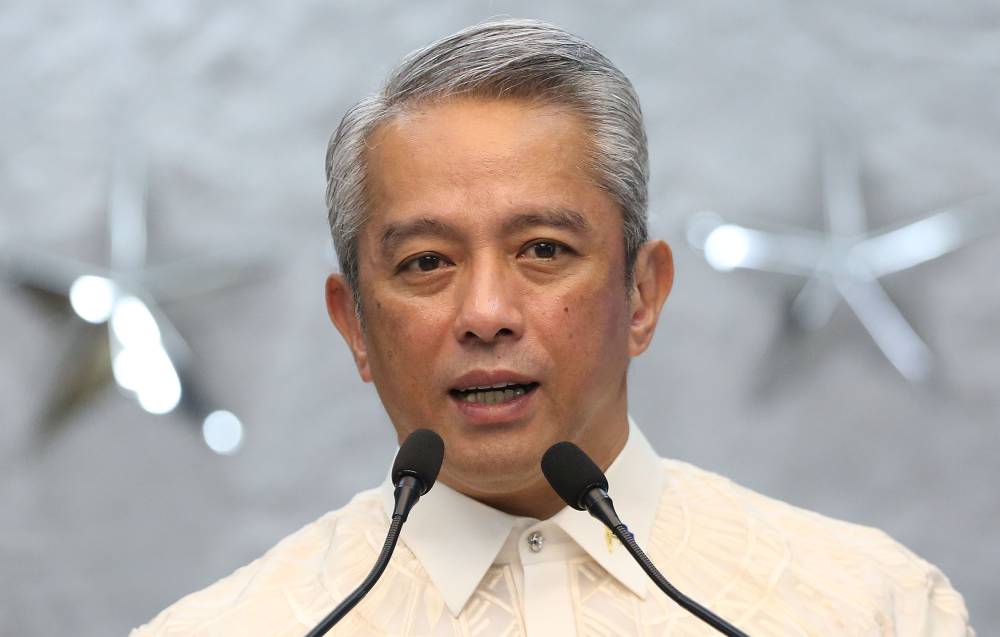
Or so believes Interior Secretary Jonvic Remulla who has pushed for the abolition of the SK following the suspension of two SK officials from two of Makati’s plush villages.
At a press briefing last week, Remulla identified the SK members as Natalia Georgianna Tupaz of Barangay Dasmariñas and Cecilia Louise Yabut of Barangay Magallanes.
“Corruption has reached the SK all the way to the richest barangay,” Remulla said, adding that the Department of the Interior and Local Government (DILG) will recommend charges against the two errant officers at the Office of the Ombudsman: direct bribery, graft and corruption, and falsification of public documents for Tupaz, and the latter charge for Yabut.
A DILG statement said Tupaz was slapped with a six-month suspension for allegedly demanding a 20 percent kickback from a supplier for a Halloween project, a practice she has described as “standardized.” Viber messages and a phone call supported the allegations, investigators said.
Falsified signatures
Yabut was suspended for three months for supposedly submitting documents with falsified signatures, including that of an SK council member who was reportedly abroad at the time. Yabut said the signatories had given her prior consent.
The two are among the seven elected members of the SK or the Youth Council in every barangay who serve a three-year term. The SK, the official representative body for those aged 18–24 in each barangay, is mandated to plan and implement projects that benefit the youth in their community. It receives 10 percent of the barangay’s general fund, which could amount to millions for rich villages. SK officials are also getting from P7,900 to P12,700 in monthly honoraria, and members an average of P5,900, depending on the barangay’s funds.
These funds are sourced from the National Tax Allotment that, according to the Bureau of the Treasury, totaled P238.1 billion in tax allotments for approximately 41,913 barangays for 2026. Early this week, President Marcos announced a new P200,000 allocation per barangay, totaling P8 billion nationwide specifically for education, social, and economic projects.
Contentious issue
The suspension of the two SK members has prompted Remulla to double down on his call to abolish the barangay youth council: “We see the culture of corruption even among the youth,” he said. He also cited the high attrition rate among SK officials as many leave office after the first year of their term due to marriage, employment, or education. Wouldn’t it be more practical for barangay councils to designate individuals to oversee youth affairs instead of holding elections, the DILG official asked.
The barangay and SK elections (BSKE)—postponed from December 2025 to Nov. 2 this year—have become a contentious issue, with some lawmakers saying that the billions allotted for the elections should instead be used to address the economic crisis triggered by runaway oil prices because of the Middle East conflict.
The money saved from postponing the 2026 BSKE polls could be channeled instead to support fuel, food, and essential services, Sen. Imee Marcos said, a position that President Marcos said he was open about. The senator quoted the Commission on Elections (Comelec) as putting the projected election expenses at P16 billion.

But, as Comelec Chair George Garcia pointed out, wouldn’t realigning election funds for other purposes be deemed unconstitutional? Sen. Sherwin Gatchalian meanwhile warned, and rightly so, that repeated postponements could undermine democratic rights.
Transparency and accountability
As for starting the young early in the corrupt ways of seasoned political players as the DILG chief contended, shouldn’t Remulla upbraid as well our elected leaders for setting a bad example in handling public funds? Without excusing the wayward SK members, can the DILG focus on how current political structures and systems have failed to ensure transparency and accountability, starting at the barangay level?
Amid the ongoing impeachment raps over Vice President Sara Duterte’s questionable use of confidential funds, and the anomalies surfacing in botched flood control projects, can a review of budget processes close the loopholes in the allotment process that encourage corruption?
Apart from a stricter audit in the disbursement of barangay funds, the Commission on Audit and the DILG should also look into how the SK defines youth development projects. How relevant are Halloween parties and basketball games in training the young to participate in barangay affairs and observe local governance? How are SK events monitored for effectiveness in carrying out the youth council’s role as originally envisioned?
A lot of changes apparently need to be done—starting with choosing worthy youth representatives and barangay leaders that the scheduled November election can help bring about.