



Weak confidence clouds PH spending outlook

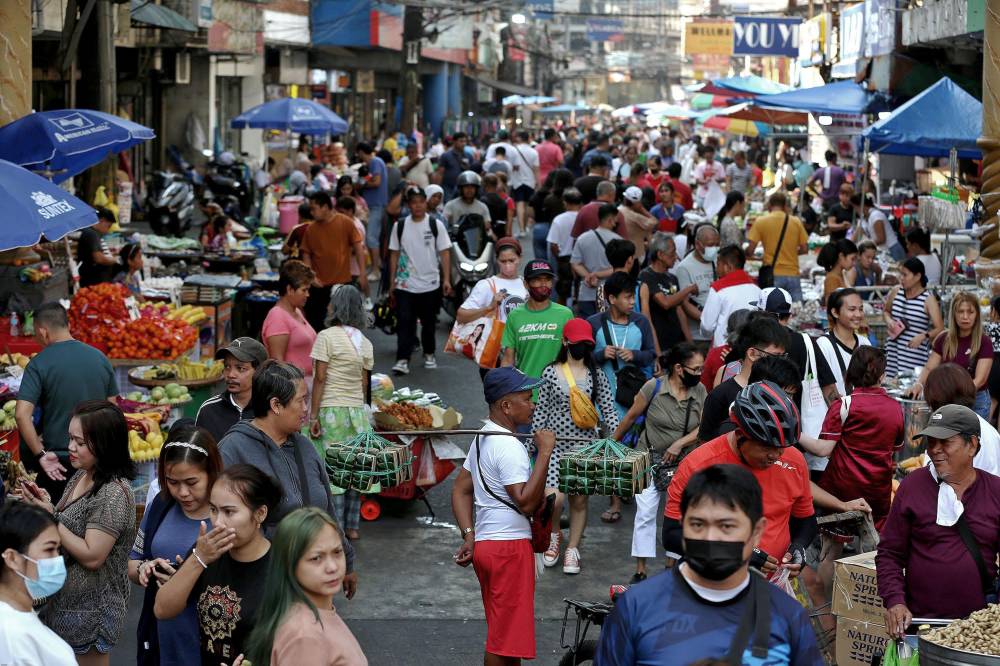
Weak consumer confidence is threatening to drag Philippine household spending this year as the oil crisis continues to drive up inflation and erode purchasing power, BMI Research said.
In a recent commentary, BMI, a unit of the Fitch Group, downgraded its household spending growth forecast for the Philippines to 4.4 percent in 2026 from its earlier projection of 4.5 percent.
The figure, according to BMI, reflects a “cautiously optimistic outlook.”
This comes amid fragile consumer confidence, with the first quarter reading remaining in negative territory at -15.8. Although this marked an improvement from the previous quarter’s -22.2, BMI said consumer sentiment remained sluggish.
“Consumer confidence weakness continues to be driven by concerns over weakening household financial situations, governmental corruption, spiking inflation and natural disasters,” the think tank said.
BMI now expects Philippine inflation to average 4.3 percent this year, raising its forecast from 3.6 percent after April inflation accelerated to a three-year high of 7.2 percent due to persistently elevated food and transport costs amid the ongoing war in the Middle East.
“While a stable labor market will facilitate real wage growth, inflation has risen to a three-year high and elevated oil prices from the Middle East conflict can erode household purchasing power, weighing on domestic consumption,” BMI said.
The labor market has shown some resilience, with unemployment easing slightly to 5 percent in March from 5.1 percent in February. However, the level remains among the highest recorded since the pandemic.
Meanwhile, the purchasing power of the peso dropped to an eight-year low of P0.73 in April.
Household spending was likewise among the main drags on the Philippine economy’s disappointing 2.8-percent growth in the first quarter. Household final consumption expenditure slowed to 3 percent from 5.3 percent in the previous quarter, marking its weakest expansion since the third quarter of 2010 outside the pandemic period.

BMI also reiterated its view that consumer spending “will remain negatively influenced by the elevated inflationary pressures as well as high debt levels, along with related debt servicing costs.”
“A high level of household debt remains a risk to our consumer outlook, as it not only constrains future borrowing capacity but impacts current disposable income levels,” BMI said, noting that the Bangko Sentral ng Pilipinas already raised its benchmark interest rate by 25 basis points to 4.5 percent.
BMI now expects the policy rate to increase further to 4.75 percent by the end of the year.
“In 2026, the consumer sector faces significant headwinds amid an uncertain macroeconomic landscape. Stubborn core and services inflation, escalating global trade barriers, potential labour market softening and widespread geopolitical uncertainty are shaping consumer behaviour and market dynamics,” BMI said.