








Economist urges government to restore policy credibility

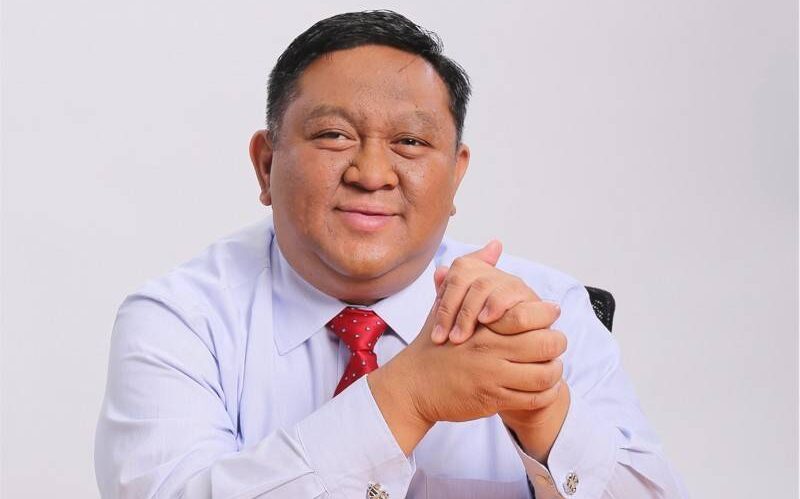
The Philippines is not yet experiencing stagflation despite rising inflation and slowing economic growth, but the government needs to restore investor confidence and maintain policy credibility to prevent a deeper slowdown.
This is according to economist Jonathan Ravelas, who said the Philippine economy is now at an “inflection point” as it braces for possible stagflation following another weak growth print and intensifying inflationary pressures.
Speaking during a Pandesal Forum, Ravelas said: “There are potential stagflation risks, but we’re not there yet. Since the third quarter, the Philippine economy still recorded positive economic growth. So there’s still no talk of recession.”
Gross domestic product (GDP) growth slowed further to 2.8 percent in the first quarter from 3 percent in the previous quarter as the economy was hit by a double whammy of Middle East war and lingering fallout from last year’s corruption scandal.
Meanwhile, inflation accelerated to 7.2 percent in April from 4.1 percent in the previous month amid an oil price shock.
Ravelas pointed to consumer spending as the make-or-break factor for the economy, stressing the need for government policy credibility, as “markets hate uncertainty more than bad news.”
“We need to provide COVID-like strategies such as probably extending the net operating loss [carryover] from three to five years,” he said.
This means that losses incurred by taxpayers may be carried over as deductions to help them cope with business disruptions.
“The central bank has already signaled potential adjustments for payment of loans. So we need to be able to come up with very similar ones to push on businesses and ensure that they’re able to continue their operation during these challenging times,” he added. INQ
Ravelas likewise called for long-term energy reforms and stable investor policies amid the oil shock, which is now being compounded by political noise.
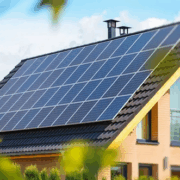
“To fix the energy problem, we need to look at other sources. We need to look at a medium-term view on power – Because this is not only going to haunt us once, assuming that there is a real El Niño problem,” he said.
“The other thing, of course, is to reassure investor policy stability over political noise,” Ravelas added.
For now, Ravelas is projecting that economic pressure from the oil shock may stretch for three to nine months.
Other think tanks and economists, including the country’s chief economist, have since taken a downbeat view on growth prospects this year, with GDP seen to miss the 5 to 6 percent growth target while inflation will continue to breach the 2 to 4 percent tolerable range. I