







George Canseco: ‘A gift to Filipinos’


A conversation about OPM wouldn’t be complete without George Canseco. So vast, so ubiquitous, and so ingrained is his music in the Filipino psyche that one need not ask whether you know any of his songs. Chances are, you do. You may not always know the words and the titles, but when the music plays, you will likely find yourself humming along.
Because even if you never actively learned them, you may have unwittingly inherited them through film, at school, or childhood car rides.
Take Mark Bautista, who didn’t realize he had already been singing Canseco songs years before he became a professional singer.
“At school, during Buwan ng Wika, I would often be asked to sing ‘Ako Ay Pilipino,’ and I had no idea it was his,” he says of the late legendary composer whose name he first encountered as a kid on karaoke screens whenever his mother made him practice.
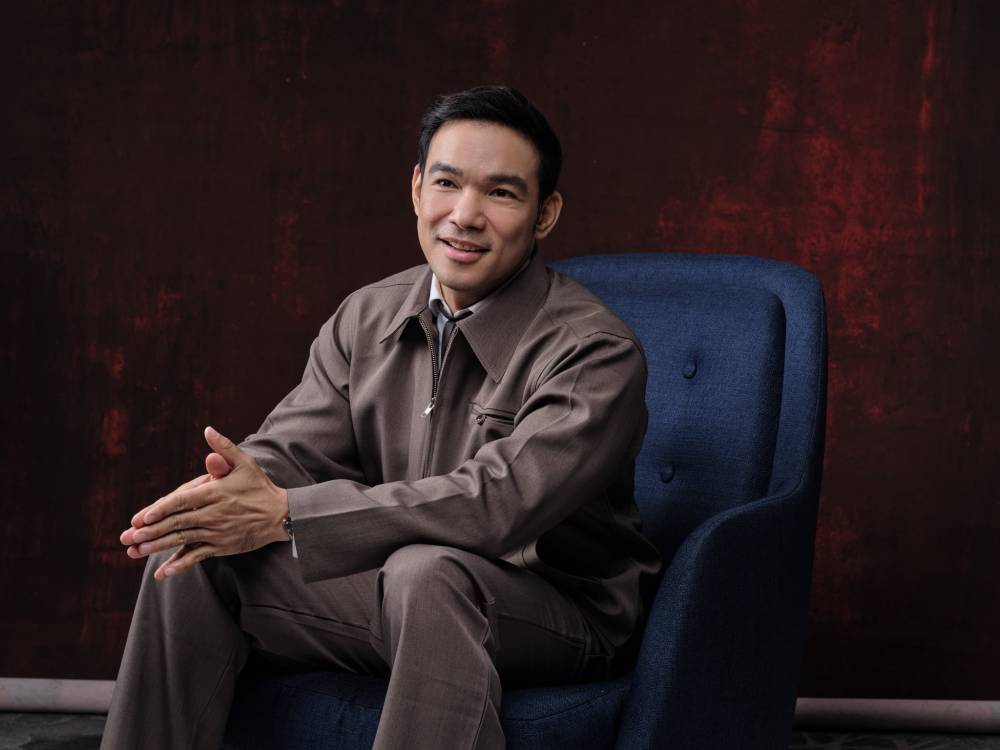
As fate would have it, a Canseco hit ultimately became his breakthrough into the mainstream. In 2003, he performed “Ngayon at Kailanman” as his contest piece in the grand finals of “Star for a Night,” and subsequently recorded it after finishing as first runner-up. “I have never met him, but I have always felt connected to his music,” he says at a press conference.
Like Bautista, Rita Daniela grew up on Canseco classics. As a former performer on variety shows like “SOP,” studying his songs was part of her training. Studying being the operative word.
As a younger singer who came of age amid fast-paced modern pop, she found Canseco’s use of poetic Tagalog profound, but somehow grounding. “Malalim ang mga words, but I feel like if you play them for people even younger than me, they will still be able to relate,” says the 30-year-old singer.

‘He loved to fall in love’
Indeed, more than soaring choruses and sweeping crescendos, Canseco’s approach to lyricism remains one of the biggest hallmarks of his work. He was unabashedly poetic, which gave his songs the cinematic grandeur they were known for, but never so much that they became inaccessible to the common listener.
In “Kastilyong Buhangin,” for instance, he used the precarious sandcastle to express the uncertainty of a love promise. And in “Langis at Tubig,” he painted a picture of two lovers in the same space, but inherently incapable of being one.
“Isa siyang makata. His songs are poetry set to music. He wrote them with so much heart,” says Kuh Ledesma, whose career Canseco helped define through such hits as “Dito Ba” and “Ako Ay Pilipino.” “He was a romantic. He was a lover. He loved to fall in love.”
Sharp ear
But while he had a penchant for scale and drama, Canseco—perhaps owing to his background as a journalist before Vic del Rosario Jr. and Orly Ilacad of Vicor Music discovered him—was also a linguistic purist. He made sure that his lyrics adhered to proper Tagalog grammar, syllabication, and phrasing, and that his metaphors—however romantic they became—still held to logic.
Ryan Cayabyab once had a taste of Canseco’s exacting way with words. In a past interview, Cayabyab shared with us that he had to change a line in “Paraisong Parisukat”—a song he wrote for the movie “Masikip, Maluwag…Paraisong Parisukat” (1977), originally sung by lead star Christopher de Leon—after Canseco called him out over a rhyme and metaphor that weren’t to his liking.
“When Basil Valdez came into the studio to record the song for himself, George heard it and told me, ‘Alam mo, hindi maganda ang rhyme,’” Cayabyab recalls.
The line in question was: “Mahahawakan mo mga kulay ng bahaghari.” “I was still a newbie songwriter then, and I thought I had come up with something romantic. But George was like, ‘Ano? Mahahawakan mo ang kulay? Ang pangit ng rhyming mo. Alam mo, may mas maganda diyan.’”
And thus the line became: “Mahahawakan mong bahaghari at ang sinag.” The edit blew Cayabyab’s mind. “Hindi ko maiisip ’yon!” he says. Needless to say, the suggestion stood, and it became part of Valdez’s definitive version. It went on to become Cayabyab’s first commercial hit.
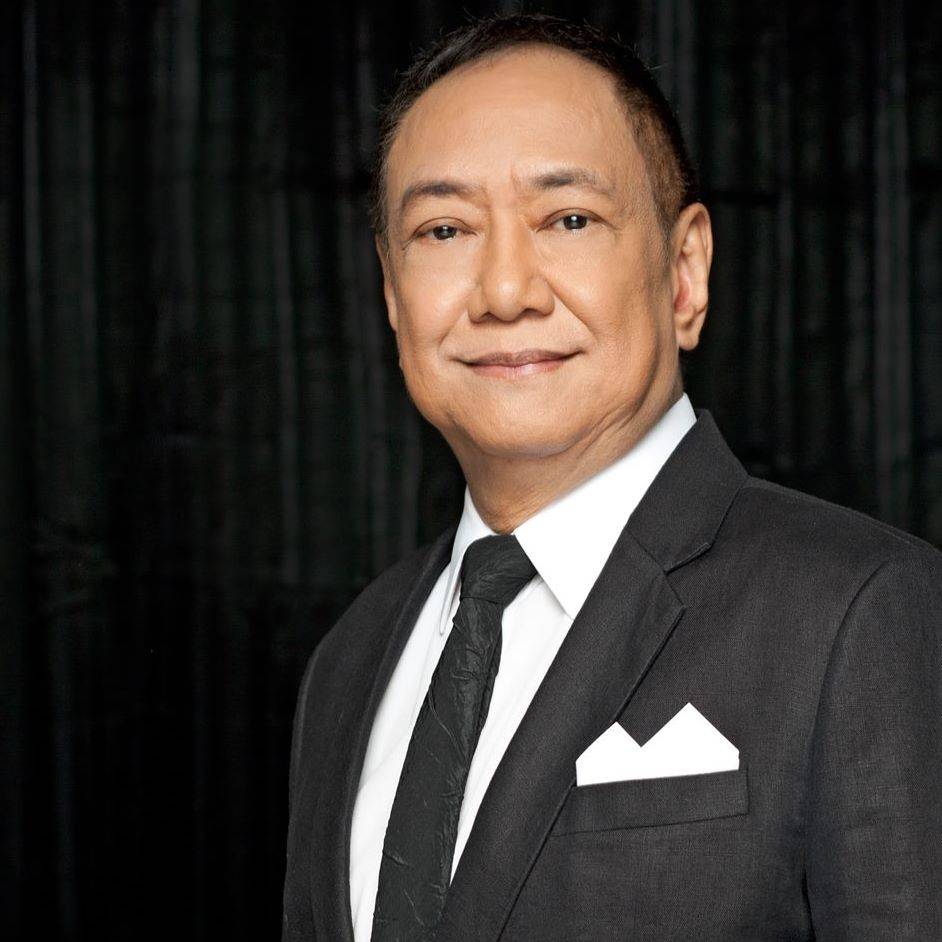
Ogie Alcasid also didn’t escape Canseco’s sharp ear for cadence. In Alcasid’s “Bakit Ngayon Ka Lang,” Canseco pointed out that “Ang iyong kamay lagi ang aking hawak” would have sounded better as “…ang hawak-hawak.”
“To me, what I wrote sounded nice, but perhaps it was simply a difference in eras,” Alcasid once shared with us. “Sir George was truly a master—the words seem to come out of him just like that.”
Instinctive and flexible

But for all his rigorous standards on paper, Canseco was surprisingly more instinctive and flexible in the recording booth. He understood that, sometimes, technical perfection gets in the way of emotion—something Ledesma learned while recording one of her signature hits, “Dito Ba.”
She wasn’t given a study tape, so she had to learn the piece on the spot. “If you listen intently to my recording, I sound as if I were groping for the melody. I wanted to do it again, but George was like, ‘Okay na ’yan,’” Ledesma recalls. She found her singing quite tentative. But for Canseco, that was exactly the point. The song, after all, is about hesitation and finding one’s footing in love.
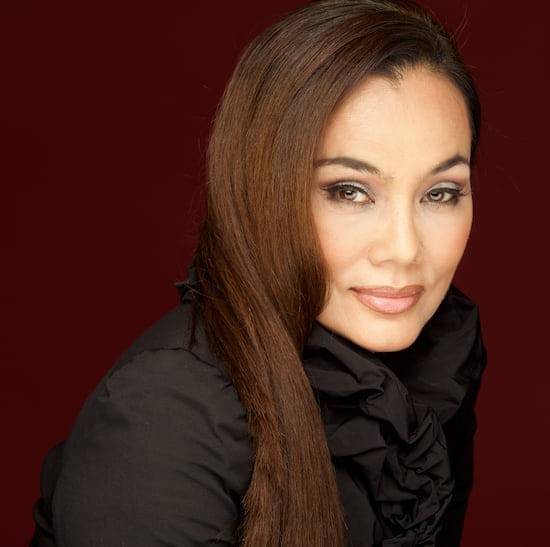
It’s this combination of storytelling, imagery, and “hugot” (before the term was coined to describe emotional depth in OPM) that allows his music to pull both singers and listeners into the world he creates.
“Even if you haven’t loved as deeply as the love he describes in ‘Hanggang sa Dulo ng Walang Hanggan,’ when you sing or listen to it, para ka na ring pumasok sa mundo na ’yon. Parang nararanasan mo na rin ’yong kwento,” singer Jona says.

To preserve and to celebrate
And for these reasons, Daniela could only hope that the younger generation would find their way to George Canseco’s catalog. “I hope that they can listen to and appreciate his music so it continues to live on,” she says. “I hope we can do it justice.”
This effort to preserve and celebrate his legacy takes center stage on June 13 as the Newport Performing Arts Theater hosts “Ngayon at Kailanman: The Music of George Canseco.”
Leading the lineup are Valdez and Ledesma—two of the definitive voices of Canseco’s career-defining songs—together with other OPM icons like Dulce (“Ako ang Nasawi, Ako ang Nagwagi”), Leah Navarro (“Kailangan Kita”), and Anthony Castelo (“Kaibigan”). The tribute, directed by Frank Mamaril with musical direction by Louie Ocampo, pairs the maestro’s original interpreters with younger artists eager to carry the torch: Jona, Daniela, and Bautista.
For the artists sharing the stage, the concert is an act of gratitude—the least they could do—for a man who lived and breathed his art until the very end.
“He was always in love with his music. Talagang he was very proud of being a composer and always talked about his work,” Ledesma says. “I’m blessed. George Canseco was a gift to us Filipinos.”