





Calls raised for rehab of Rio Grande de Mindanao

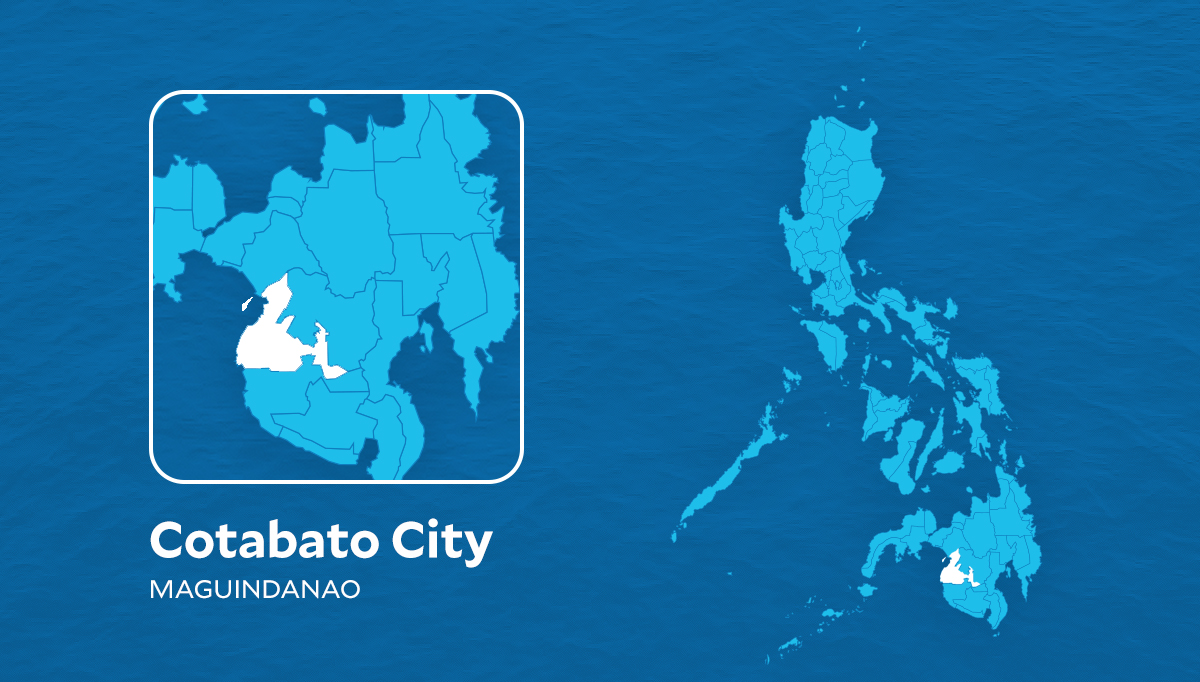
COTABATO CITY—The Rio Grande de Mindanao, the country’s second largest river system, needs a massive rehabilitation to stop its ecological decline due to worsening pollution, unchecked waste disposal, and human encroachment along its banks, a local legislator said.
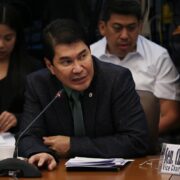
In a privilege speech before the Cotabato City council on Monday, Councilor Anwar Malang stressed the need for urgent and collective action to rehabilitate the Rio Grande de Mindanao, which he described as among “the most polluted waterways in the Philippines today.”
“The river has long been part of our history, culture, and identity as Cotabateños. If we act now, we can still restore its health and preserve it for future generations,” Malang said.
He appealed to residents, civil society organizations, government agencies, and the private sector to unite behind efforts aimed at restoring the river’s ecological integrity and economic value.
Stretching 373 kilometers, Rio Grande, also known as Pulangi River, is one of the country’s most significant river systems, serving as a vital transportation corridor for agricultural products and, historically, for the timber industry.
The river drains a vast watershed covering parts of Bukidnon, Cotabato, South Cotabato and Sultan Kudarat provinces, emptying into Illana Bay through its mouth in Cotabato City.
Dredging
According to Malang, years of improper waste disposal and the growing number of settlers along the riverbanks have significantly contributed to the degradation of the river, once regarded as the lifeblood of this city and much of Central Mindanao.
He also highlighted the urgency of continuing dredging operations to address heavy siltation in sections of the river, particularly those near the city.
“Large volumes of silt and sediment have settled on the riverbed over the years, reducing its capacity to carry water and increasing the risk of flooding in surrounding communities,” Malang said.
As part of the proposed rehabilitation initiative, the city government is promoting the “Revive the River, Revive Cotabato City” campaign, which seeks to improve water quality, develop ecotourism-friendly river transport routes, and relocate settlers occupying high-risk areas along the riverbanks.
The rehabilitation of Rio Grande de Mindanao is part of the Mindanao Basin River Project, a comprehensive multiagency masterplan led by the Mindanao Development Authority.