









The palimpsest: Layers to a design story

I have to admit, I wasn’t quite sure what it meant: a palimpsest.
I looked it up and discovered that it comes from the Greek word “palimpsestos” meaning “scraped clean again.” In ancient times, parchment was so costly that scribes would reuse it in much the same way we reuse a whiteboard. They would wash it or scrape the ink away.
But as anyone who has used a whiteboard knows, the marks never disappear entirely. Faint traces of what came before remain visible.
Palimpsest, then, has come to describe anything that carries the marks of its past, like a landscape shaped by an earlier geological event, or a home that quietly keeps traces of the people who once lived in it.
Thoughtful collection
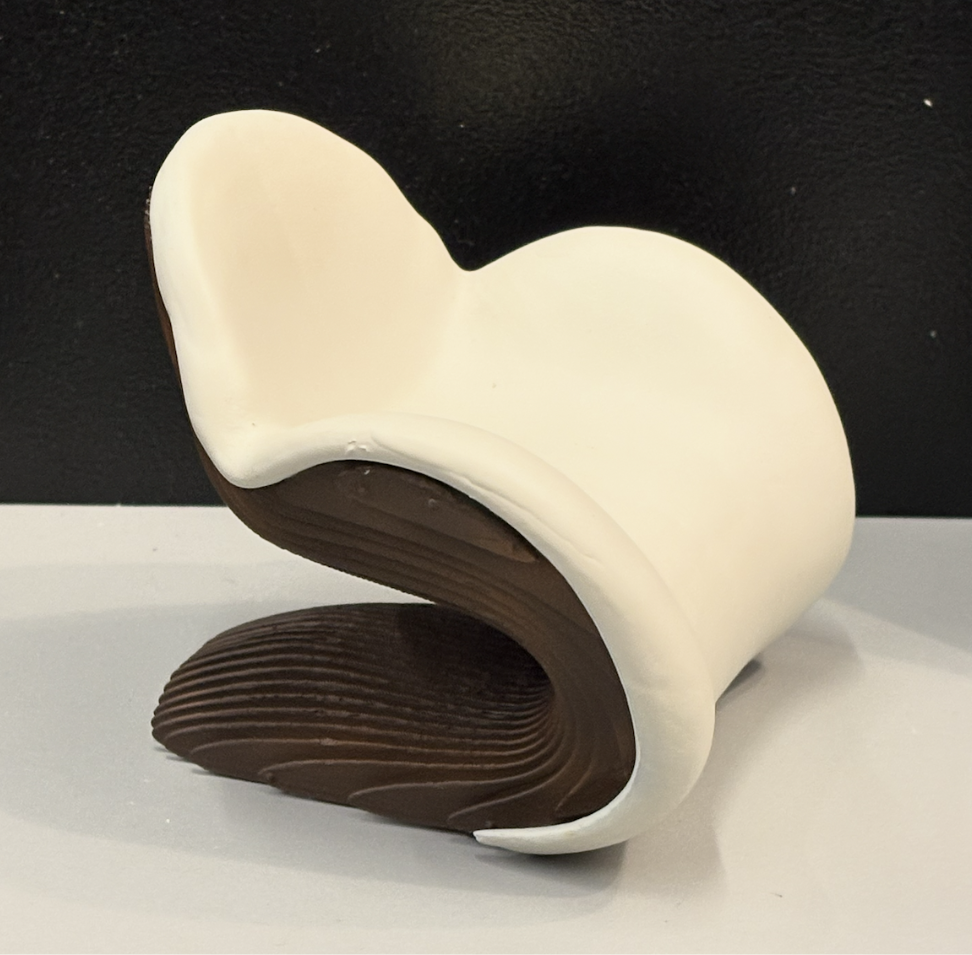
This was the title of the inaugural exhibit launched by the Interior Design Department of Enderun Colleges.
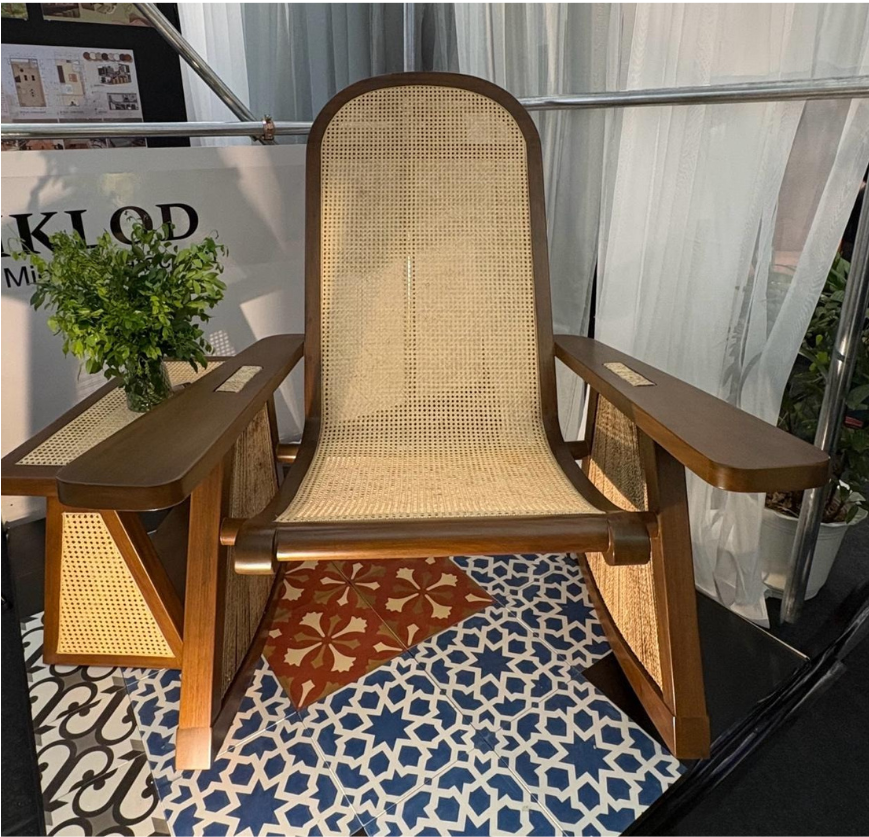
It brought together a thoughtful collection of student-designed furniture that explored how time, memory, and cultural identity can be reimagined in fresh and meaningful ways. Each piece carried its own layers of story and intent–some very cultural, others quite personal.
Like those ancient parchment sheets, many of the pieces drew from Filipino customs embedded in our past. They also drew from childhood memories, family rituals, gestures, and traditions–those small inheritances we carry without always realizing.
Looking back at the past
I thought it was a wonderful idea to encourage young designers to look back at our past, and inward into our culture, as a source of meaning and inspiration for their creativity.
We often look outward to the global arena and consider how to adapt international trends and aesthetics. But this exhibit chose, instead, to look at what we as Filipino creatives already have, and to reinterpret that through the eyes and hands of this generation of designers.
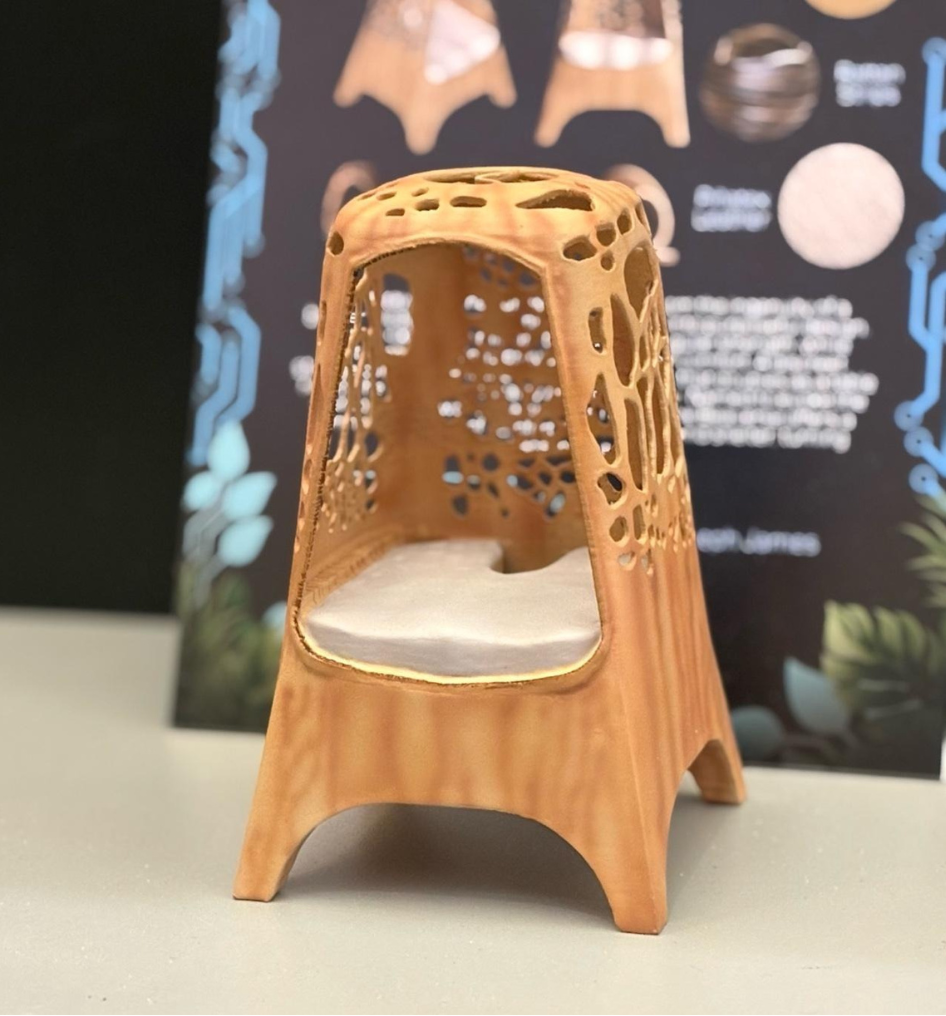
I also appreciate it when schools push their students to work with three-dimensional forms rather than merely two-dimensional images. I appreciate it even more when the process moves beyond the digital model and into a full-scale prototype.
A digital model can be viewed and admired, but a full-scale piece enters our world and asks to be encountered in real life. We understand it more fully when we see it from afar, approach it, walk around it, sit in it, and feel its texture, scale, and weight. We begin to notice qualities that renderings and screens simply cannot convey.
It is the difference between reading about a place and actually being there, fully present within it.

Building prototypes
For design students, building prototypes takes them beyond lines and numbers and into a more embodied understanding of their creations. It teaches them where a concept holds, where it falters, and how structure, material, and the nuances of the human body shape the final experience of a piece.
This is why exhibitions, such as this one by Enderun, are so enjoyable for viewers and so gratifying for designers. They remind us that design is both intellectual and tactile.
Ideas matter, but so does the making. Culture matters, but so does craft. Innovation matters, but so does an understanding of where we came from. Design may be written and rewritten, but good design is always remembered.
Walking through the exhibition, I was reminded that the most meaningful works often emerge from exactly that process. They carry traces of the past, respond to the present, and leave an impression that quietly reaches into the future.
Like a palimpsest, good design never fully erases what came before. Instead, it adds another layer to the story.
The author is a principal architect of Asuncion-Berenguer Inc., a full-service architectural and interior design firm recognized for designing experiences and spaces that elevate everyday living through thoughtfully crafted environments. Contact her through @isabelbasuncion


