The spaces that make communities work


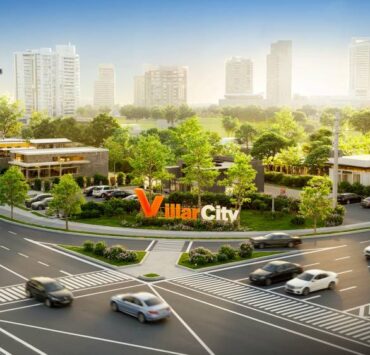
I grew up in a neighborhood where families lived side by side.
Many of our neighbors were relatives. An aunt lived a few houses away. Cousins were often just across the street. If we needed help, someone was usually nearby. If we ran out of an ingredient while preparing dinner, there was always a house we could knock on.
The community itself felt like an extension of the home.
For many Filipinos, this was once a familiar way of life. Families stayed close to one another, and daily needs were often supported by relatives, friends, and longtime neighbors.
Changing face of communities
Communities have changed over the years. Children moved away for work. Families settled in different cities and provinces. Some built new lives overseas. Today, many people live far from the support systems they grew up with.
In many urban developments, residents may spend years living beside one another without ever learning each other’s names.
As traditional support networks become more dispersed, the spaces around us have become increasingly important for meeting everyday needs.
Larger Role of commercial spaces
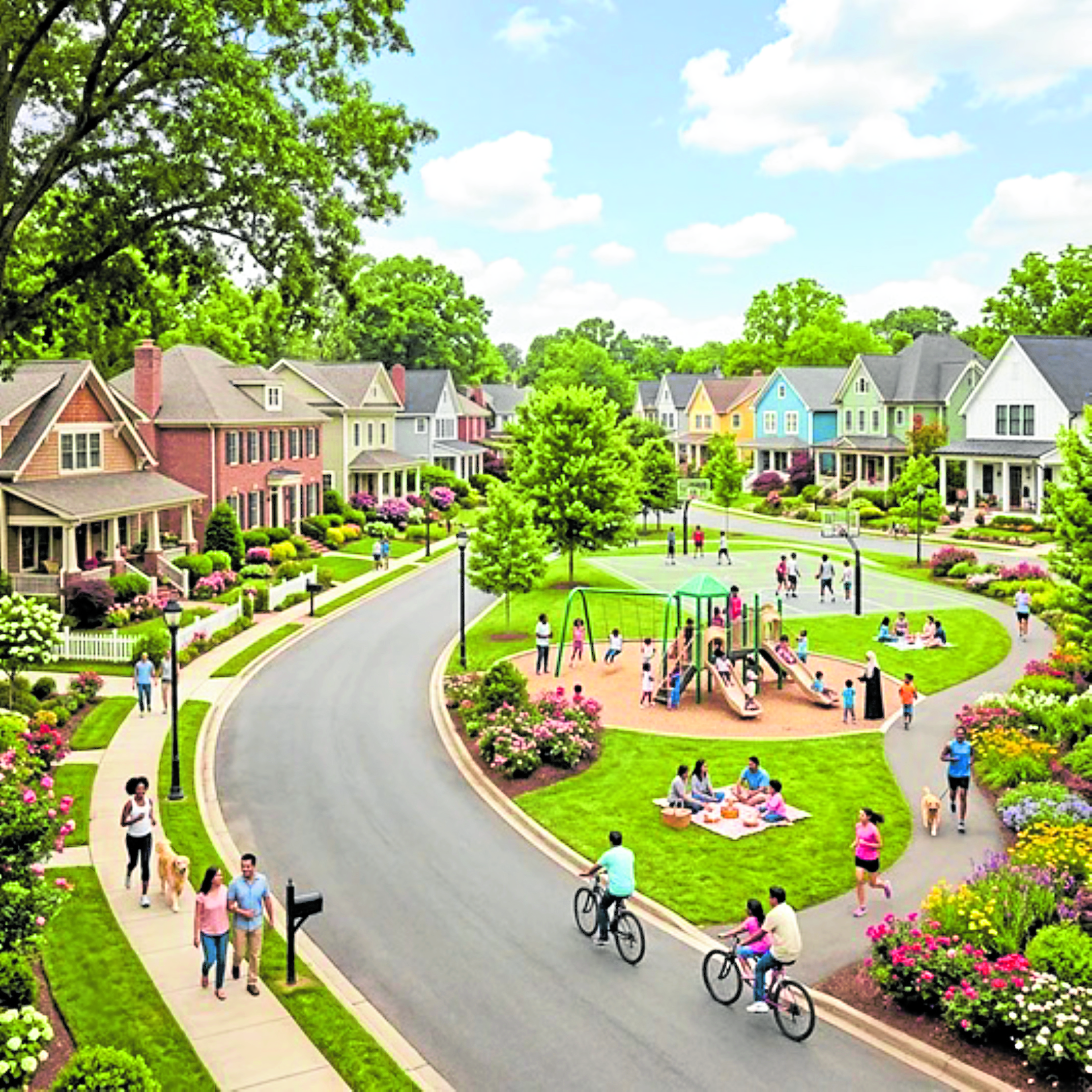
This is one reason commercial spaces play a larger role in residential developments than many people realize.
When people hear the term “commercial space,” they often think of shops, restaurants, or rental income. Developers naturally view these spaces from a business perspective. Yet their contribution extends far beyond economics.
The grocery store, pharmacy, café, clinic, laundry shop, daycare center, or convenience store makes a significant difference in residents’ daily lives. These establishments provide access to necessities without requiring lengthy trips through traffic or multiple stops across the city.
For developers, allocating space for neighborhood-serving businesses also creates a more complete community.
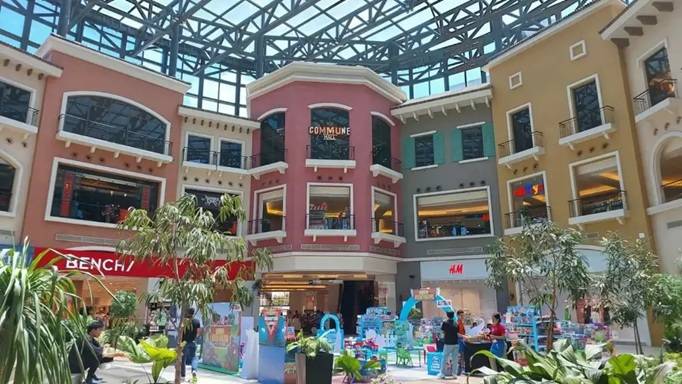
Developments that provide convenient access to everyday services are often more attractive to buyers and tenants because they make daily life easier. The benefits extend beyond convenience.
When daily necessities are located nearby, residents make fewer trips across the city. A short walk to buy medicine, pick up groceries, meet a friend for coffee, or complete a simple errand can replace a drive through traffic. Less time spent commuting means more time for family, recreation, and rest.
This is also where community planning and sustainability intersect.
Sustainability is not only about efficient buildings and renewable energy. It is also about reducing unnecessary travel. When people can accomplish daily tasks closer to home, fuel consumption decreases, emissions are reduced, and communities become less dependent on private vehicles.
Social connections
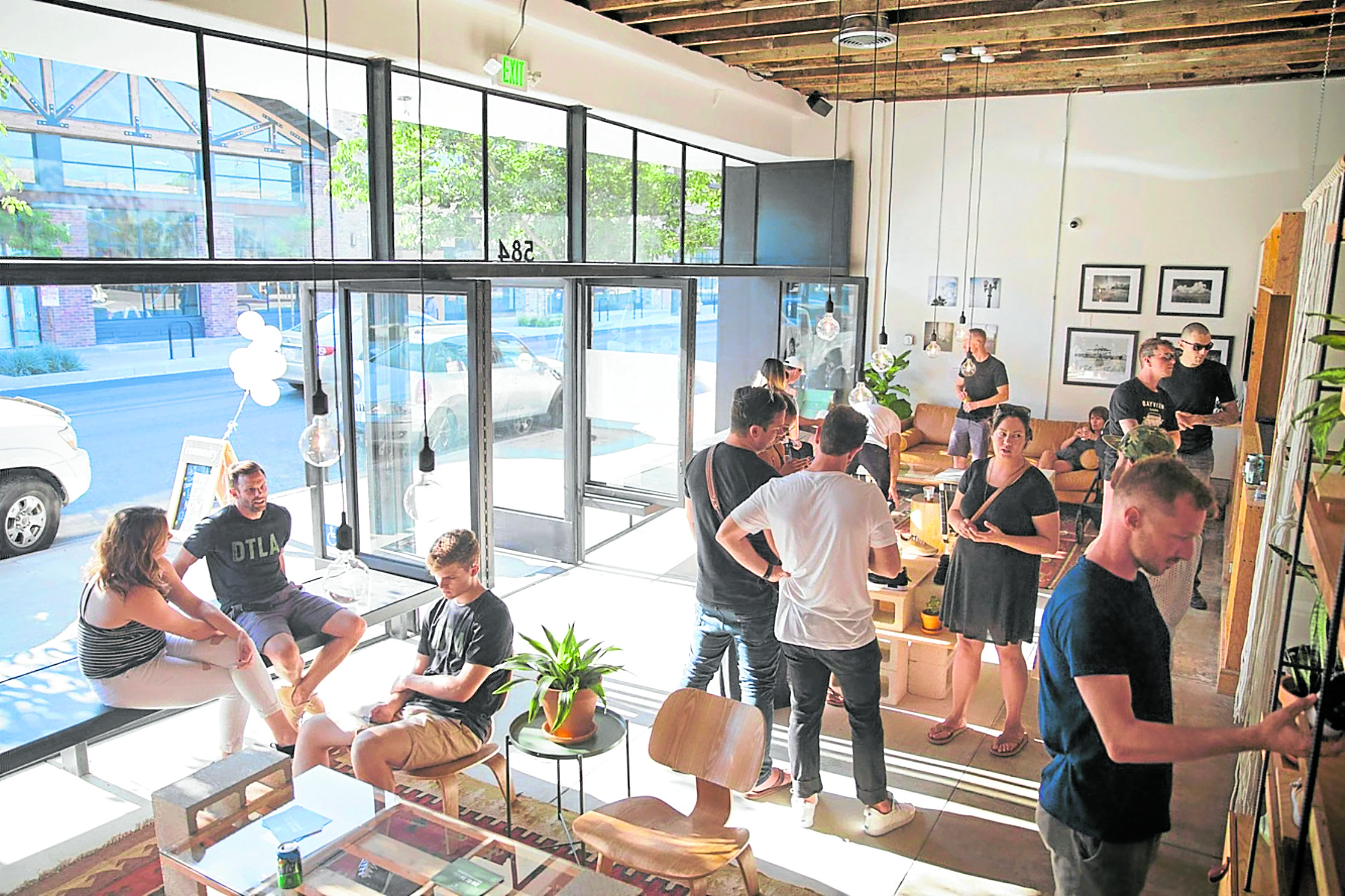
Social connection also happens in commercial spaces.

People encounter one another while buying coffee, visiting a pharmacy, or shopping for groceries. These small interactions help create familiarityand strengthen a sense of community.
The most successful developments understand that people do not experience a project one building at a time. They experience it as a community.
Residential units provide shelter. Amenities provide recreation. Commercial spaces provide everyday support.
While commercial spaces cannot replace the support systems once provided by our extended families living nearby, they can help recreate some of the convenience, accessibility, and connection that made those communities work.
Commercial spaces do more than support business activity. They help create communities where daily life is easier, necessities are within reach, and
people feel connected to the place they call home.
The author is a LEED Fellow, ASEAN Architect, UAP Fellow, and educator with over 25 years of professional practice in architecture and sustainability