









Tail-wagging treats for your pups


Our family pets, Daisy, a lhasa apso, and Hoshi, a shih tzu, are at the center of our home lives. My husband, kids, and I absolutely adore them. I strongly believe that proper nutrition is the foundation of life—for ourselves and our furry friends. Ever since I lost a dog to tainted pet food when I was in college, we have always made the food for our dogs.
These days, their meals are doused with homemade bone broth and flavored with organic chicken liver, beef, and fish.
Our pets deserve the best
Just as much as we want to take care of ourselves, our dogs deserve the same attention to their nutrition. A well-balanced diet supports healthy organ function, a strong immune system, a shiny coat, healthy skin, and steady energy levels. Pets that receive the right balance of proteins, fats, carbohydrates, vitamins, and minerals are less prone to obesity, joint problems, digestive issues, and chronic diseases like diabetes or kidney disease.
Nutrition also affects behavior and mental health. Poor diets can lead to lethargy, irritability, or difficulty concentrating, while a balanced diet helps pets stay alert, calm, and responsive—qualities that matter especially during training.
Just as importantly, nutrition needs to change across a pet’s life: puppies and kittens need nutrient-dense food to support growth, adult pets need maintenance-level nutrition, and senior pets often benefit from adjusted formulas that support joint health and slower metabolisms.
Treats play a far bigger role in training than most people realize. Right now, the choices of treats are comparable to human snacks in the supermarkets.
Treats also serve as positive reinforcement, helping dogs make a clear connection between good behavior and a reward. This connection speeds up learning and builds trust between dog and owner. Making treats for our dogs is thus a great extension of our love for them.
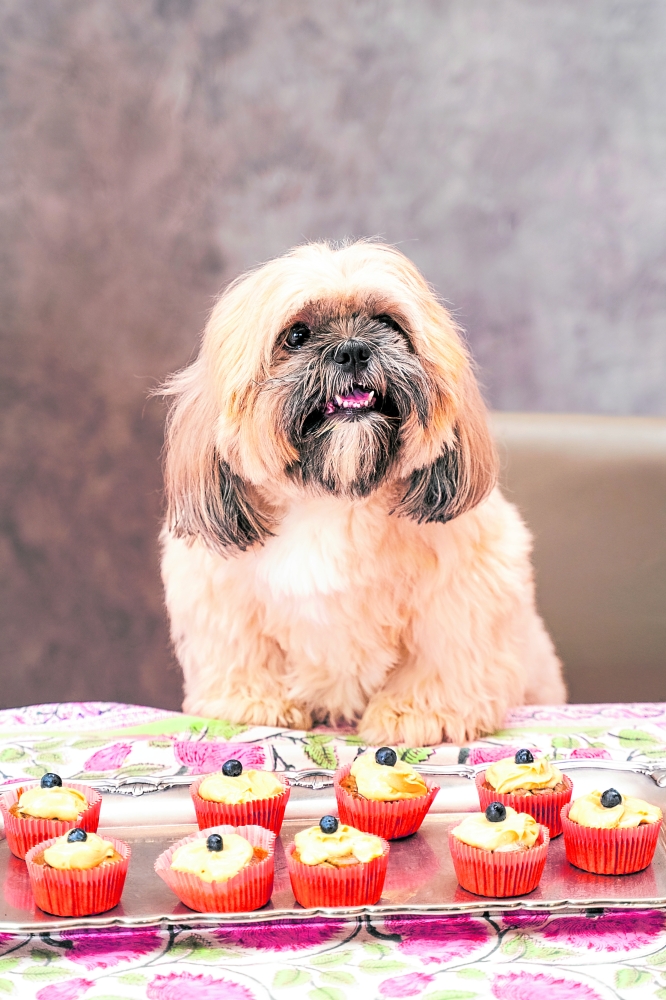
Key benefits of using treats in training
• Immediate reinforcement: Dogs learn best when rewards come within seconds of the desired behavior, so treats let you mark the exact moment they did something right.
• Motivation booster: High-value treats (small, soft, aromatic) keep dogs engaged, especially in distracting environments.
• Builds positive associations: Treats help dogs associate commands, new experiences, or environments (like the vet or crate) with something pleasant, reducing anxiety.
• Supports consistency: Reward-based training is one of the most effective, humane methods, and treats make it easy to apply consistently.
• Strengthens the bond: Treat-based training increases trust and cooperation, making future training sessions easier.
To avoid overfeeding, training treats should be small, low-calorie, and factored into the dog’s daily caloric intake. Many trainers recommend using a portion of the dog’s regular kibble as treats, supplementing with occasional higher-value treats for difficult tasks or new skills.
Good nutrition keeps a dog physically and mentally ready to learn, while treats—when used thoughtfully—are a powerful, science-backed tool that makes training faster, more effective, and more enjoyable for both dog and owner.
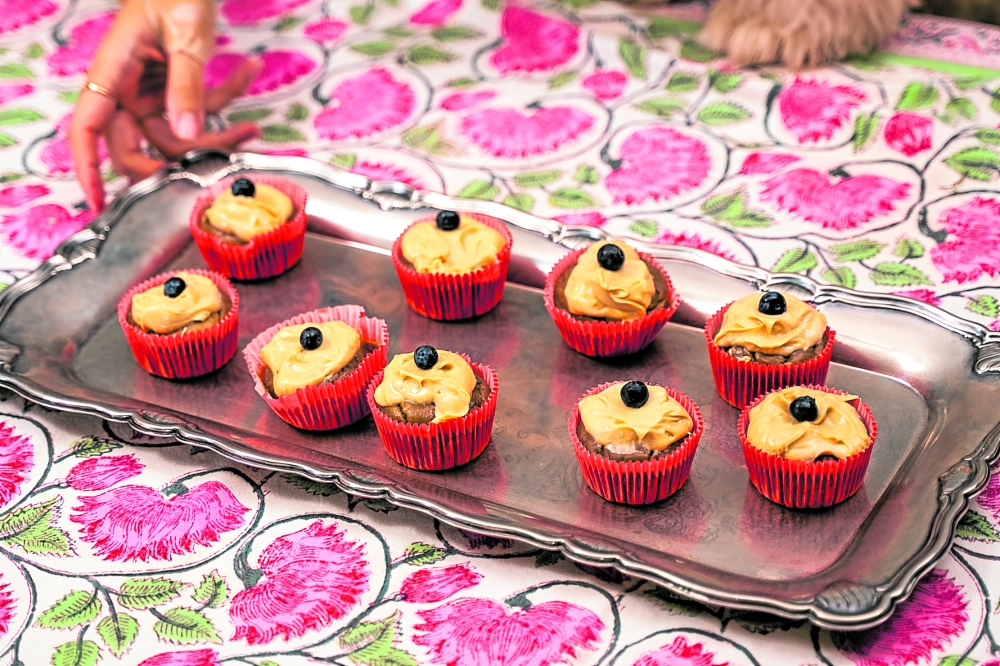
Peanut butter banana pupcakes
A tail-wagging treat your pup will go absolutely crazy for! These soft, dog-safe mini cakes make perfect birthday treats or everyday rewards.
Servings: 12 pupcakes
Prep time: 15 minutes
Bake time: 18 to 20 minutes
Ingredients
For the pupcakes:
1 and 1/2 cups whole wheat flour
1 tsp baking soda
2 large eggs
1/2 cup natural peanut butter (xylitol-free)
2 ripe bananas, mashed
1/4 cup unsweetened applesauce (make this by peeling and boiling one apple and mashing it)
1/4 cup grated carrots
1/4 cup water (as needed for batter consistency)
For the frosting:
8 oz plain, unsweetened Greek yogurt
1 Tbsp peanut butter (xylitol-free)
For garnish:
12 small dog biscuits or training treats
Procedure

1. Preheat oven to 350°F (175°C). Line a 12-cup muffin tin with paper liners or lightly grease it.
2. In a large bowl, whisk together the flour and baking soda.
3. In a separate bowl, beat the eggs, then mix in peanut butter, mashed bananas, applesauce, and grated carrots until well combined.
4. Fold the wet ingredients into the dry ingredients, adding water a little at a time until the batter is smooth and scoopable.
5. Divide the batter evenly among the muffin cups, filling each about 2/3 full.
6. Bake for 18 to 20 minutes, or until a toothpick inserted in the center comes out clean.
7. Remove from the oven and let cool completely on a wire rack.
8. While the cupcakes cool, mix the Greek yogurt and peanut butter together in a small bowl to make the frosting.
9. Once cooled, top each pupcake with a dollop of frosting and garnish with a small dog biscuit.
10. Serve immediately or refrigerate in an airtight container for up to 5 days.
Notes:
• Always make sure peanut butter is xylitol-free—xylitol is toxic to dogs.
• Store leftovers in the refrigerator, and let them come to room temperature before serving.
• These treats are rich—give your pup a small portion, especially for smaller breeds.
******
Get real-time news updates: inqnews.net/inqviber


