








A gentleman’s first bespoke shirt


The first step in commissioning a bespoke shirt has nothing to do with measurements. No tape measure is brought out. No collar size is taken. No fabric swatches are placed on the table.
Instead, it begins with a conversation.
For Ascot Chang, the renowned Hong Kong shirtmaker and tailor founded in 1953, understanding the gentleman comes before understanding his measurements. It is a philosophy that has guided the company for more than seven decades and earned the trust of presidents, business leaders, celebrities, and influential figures around the world.
Today, that tradition continues in Manila through its showroom at Rustan’s Makati, where Bryce Salhab, Manila brand manager and APAC sales lead, helps guide clients through the bespoke process.
For Salhab, the consultation is the most important part of creating a shirt or suit. “My very first goal is to sit down with you and understand the type of shirt or suit you’re looking for,” he explains. “Is it for a wedding? Is it for the boardroom? How will you wear it? What will you wear it with?”
These questions may seem simple, but they reveal something essential: bespoke tailoring is not about clothing alone. It is about creating garments that fit seamlessly into a person’s life.
A heritage of craftsmanship
Founded in Hong Kong in 1953, Ascot Chang is a heritage bespoke tailoring house renowned for its exceptional craftsmanship and uncompromising commitment to quality. While deeply rooted in tradition, the brand continues to evolve with a modern perspective, creating garments that meet the needs and lifestyles of today’s gentleman.
Among its signatures are the Ascot Collar and its contemporary take on the safari jacket, reflecting the brand’s ability to honor tradition while adapting to modern lifestyles.
Yet one principle remains unchanged: quality over trends.
It is a philosophy that resonates strongly with Salhab, whose appreciation for menswear began long before he entered the industry.
His education deepened through years spent working alongside some of the world’s finest shirtmakers, tailors, shoemakers, and eyewear artisans. Exposure to these master craftsmen shaped his understanding of fit, fabric, and timeless style. Training under Justin Chang, third generation of the Ascot Chang family, further refined his approach to bespoke tailoring.
“What struck me was that these brands focused on craftsmanship and quality rather than logos,” he says. “The work spoke for itself.”
The meaning of bespoke
The term bespoke is often used loosely, sometimes interchangeably with made-to-measure. In reality, they are fundamentally different.
Made-to-measure adapts an existing pattern, with certain limitations. Bespoke, by contrast, begins with a pattern drafted from scratch for each client—a personal blueprint for the garment. Every measurement and proportion is considered from the start, resulting in a fit that is uniquely one’s own.
Every detail is considered: posture, shoulder slope, proportions, and personal preferences.
“The difference isn’t just in fit,” says Salhab. “It’s in the degree of craftsmanship, personalization, and attention to detail.”
More importantly, bespoke is a mindset.
“It’s not merely about clothing,” he explains. “It’s about judgment, capacity, and self-knowledge. It asks you to think ahead and build a wardrobe intentionally rather than accumulate pieces.”
In many ways, it reflects quiet luxury—not display, but discernment; not excess, but longevity.
Dressing well is good manners
Appearance, Salhab believes, is about far more than fashion.
“Appearance matters. Dressing well is, after all, a matter of good manners,” he says. “We are constantly told to dress to impress or use clothing as armor yet we overlook the quiet power of respecting decorum. Rather than statement pieces, we should focus on a well-balanced, thoughtfully curated look—a projection of inner creativity.”
In an age shaped by social media, he believes style should begin with understanding the occasion. Bespoke consultation plays a key role in guiding clients through dress codes and appropriateness.
“When we dress appropriately for an occasion, we signal respect for the host, the event, and the other guests.” Just as importantly, it reflects respect for oneself.
A resurgence of black-tie dressing has brought formal occasions back into focus. A black-tie event calls for a tuxedo, with a shirt designed for cufflinks and studs to complete the formality. A garden wedding leans toward lighter tones and breathable fabrics, while a business presentation calls for restraint, precision, and quiet confidence in tailoring.
Ultimately, understanding these distinctions allows clothing to support the moment rather than overpower it.
Planning ahead
One of the most common mistakes Salhab observes is a lack of preparation.
Many men only think about what to wear days before an event—or even on the day itself. Dressing well, however, begins long before that. This is especially true in bespoke tailoring.
After consultation comes fabric selection, measurements, and discussions on fit and details such as collars, cuffs, buttons, and monograms. A fitting shirt typically arrives within four to five weeks, while bespoke suits require a mock fitting and take five to six weeks or more.
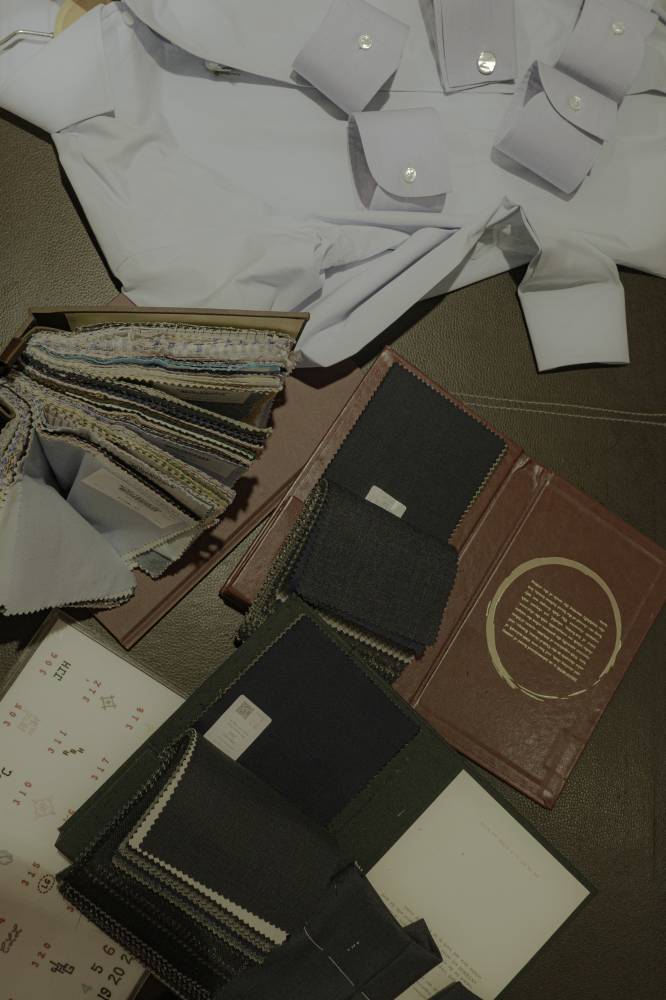
“Quality takes time,” Salhab says. “It’s important to plan ahead.”
All Ascot Chang garments are made in Hong Kong by highly experienced craftsmen whose expertise has been refined over decades.
Even the smallest details matter.
“And then there are the socks,” he adds with a smile.
Often overlooked, they can undermine an otherwise well-considered outfit. A proper pair of dress socks signals attention to detail—proof that style is often about getting the smallest things right.
Building a wardrobe
For first-time clients, Salhab recommends beginning with a white spread-collar shirt. “It goes with practically anything,” he says. It is the foundation of a versatile wardrobe, suitable for weddings, business meetings, and formal occasions alike.
From there, a pale blue shirt, Oxford button-down, chambray shirt, and linen shirt expand options while maintaining timeless versatility.
The goal is not accumulation, but refinement.

More than what you wear
Drawing inspiration from menswear writer G. Bruce Boyer, Salhab believes a gentleman is defined less by status than by character. Good manners, integrity, and an ability to put others at ease remain timeless qualities.
Personal style supports these traits. It should never be about attention or display, but about judgment, confidence, and respect for context.
“A gentleman is remembered more for how he conducts himself than for what he wears,” Salhab says. “Ideally, the two should be in harmony.”
Perhaps this is why bespoke begins not with a measurement, but with a conversation. Before creating a garment, the tailor seeks to understand the man who will wear it.
Everything else follows from there.
Visit Ascot Chang on the 1st Floor, Menswear, Rustan’s Makati. For inquiries, contact +63 917 865 8532.

Decoding the dress code
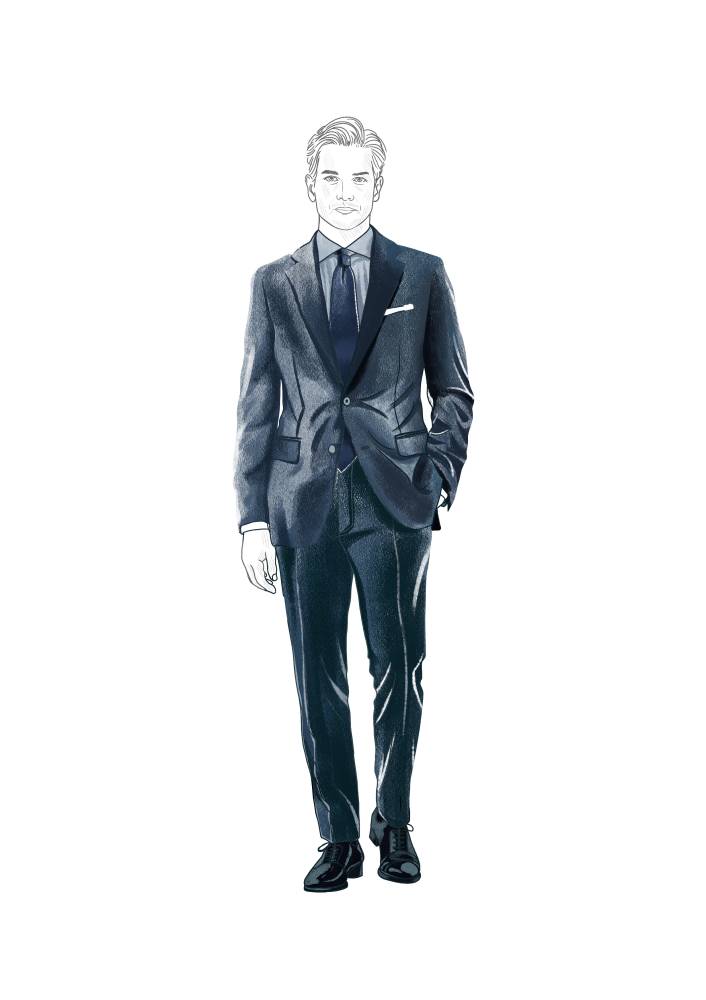
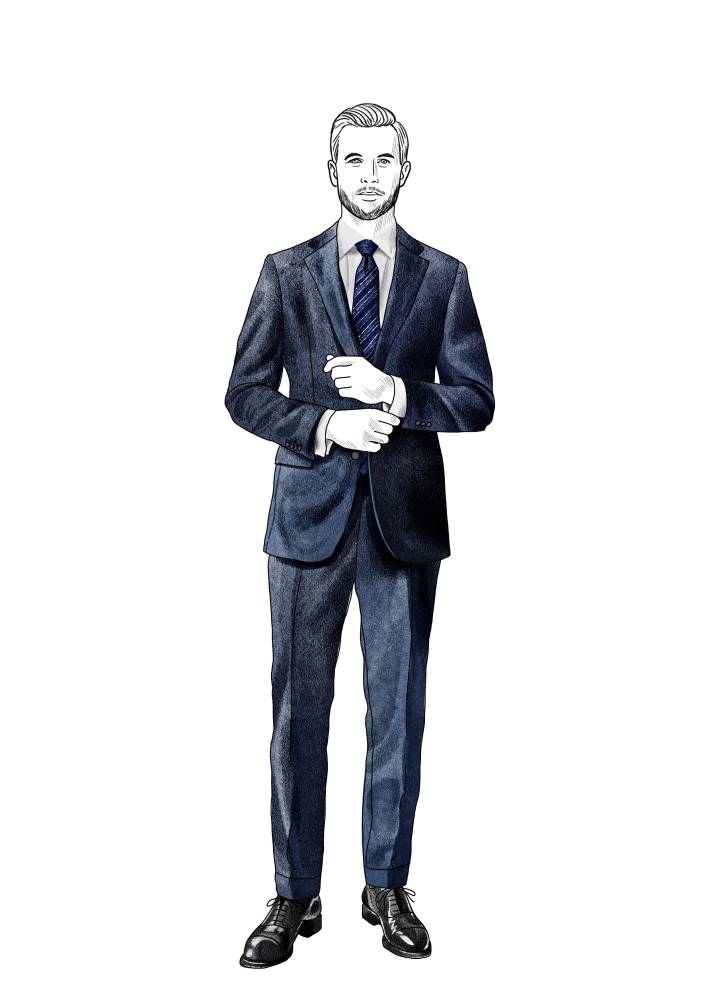
1. Business Professional: Dark, solid two-piece suits in navy or charcoal, with a crisp shirt, silk tie, and Oxford shoes
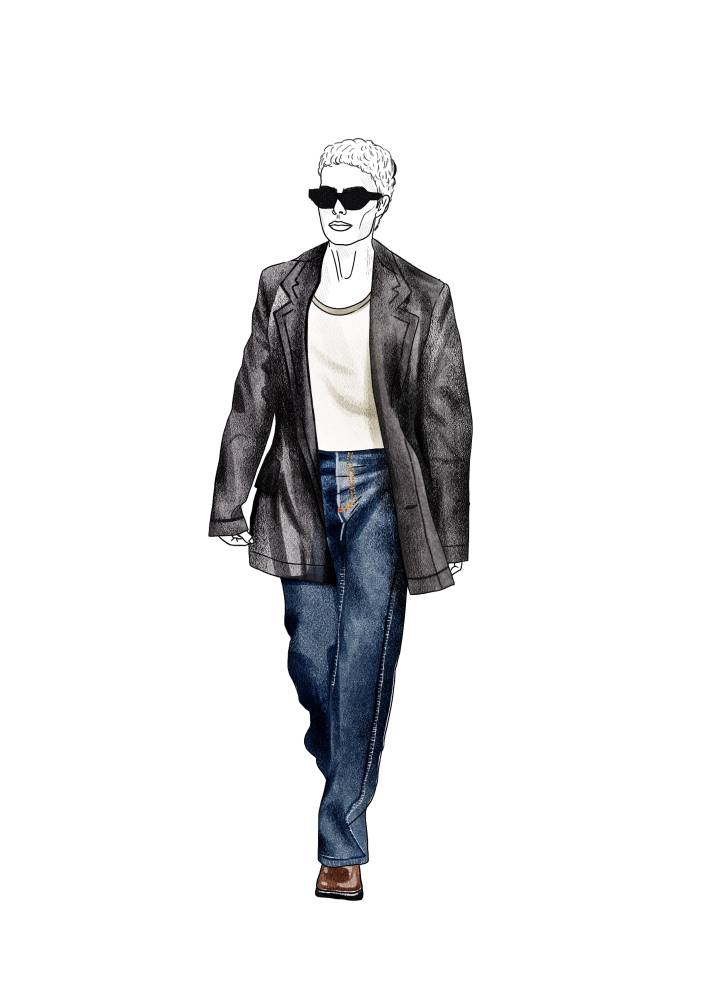
2. Smart Casual: A hopsack blazer in wool, silk, or linen over tailored denim
3. Cocktail: An unstructured navy sports coat with a tie for polish
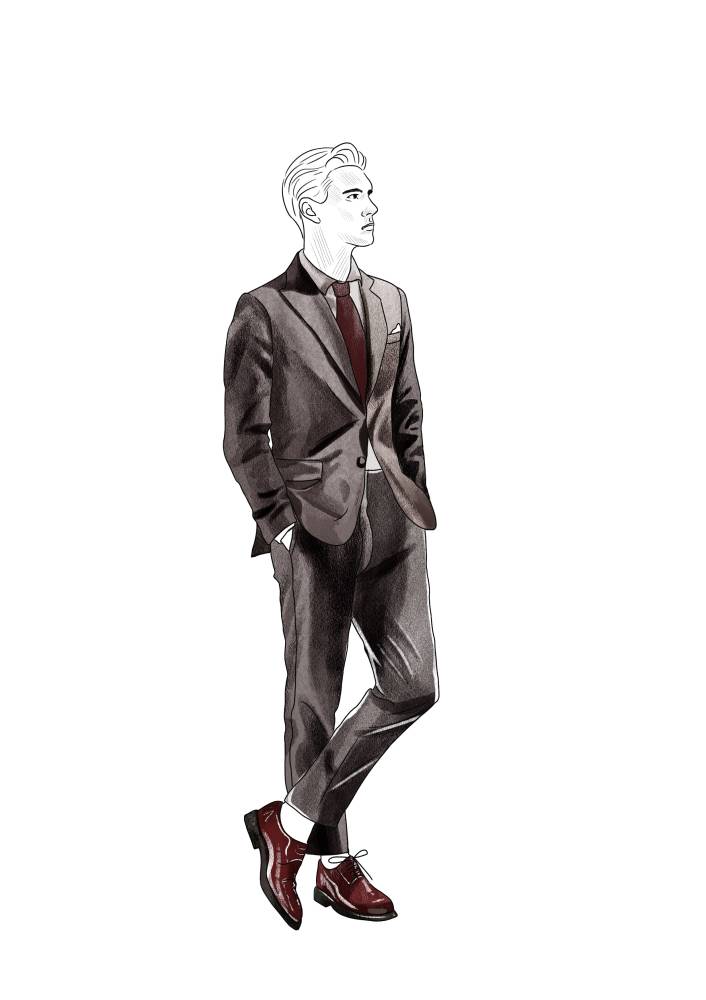
4. Semi-formal: A dark suit with a silk-knit tie or subtle patterned shirt
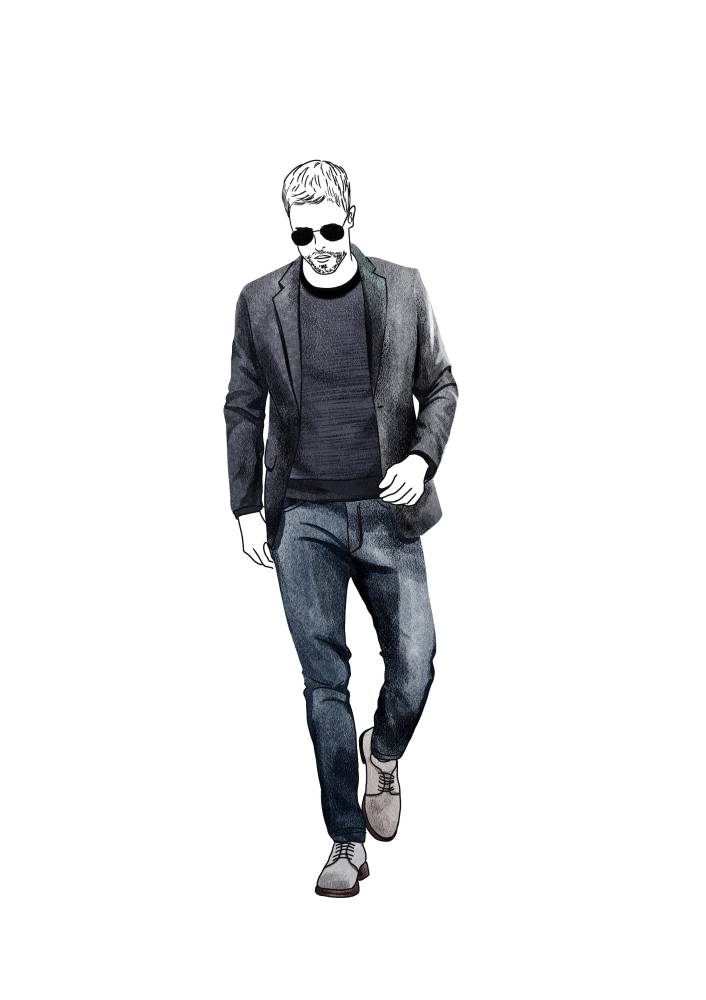
5. Formal: A dark suit, white spread-collar shirt, conservative tie, and Oxfords
6. Black Tie: A tuxedo with wing-collar shirt, bow tie, cummerbund, and formal black shoes
7. Resort Chic: Linen, wool, or seersucker suiting; a safari jacket when appropriate
8. Day Weddings: Light grey, tan, beige, or soft blue in tropical wool for a crisp, wrinkle-free finish
9. Garden Parties: Linen for ease in warmer settings
10. Filipino Formal: A piña or jusi barong tagalog in ivory or natural tones, worn over a natural-colored camisa de chino and black dress trousers with a sharp press.
******
Get real-time news updates: inqnews.net/inqviber