









Supergirl’s forgettable adventure


Almost a year ago, “Superman” kickstarted James Gunn’s DC Universe (DCU) and separated itself from the dark and grime we’ve associated DC heroes with. And David Corenswet’s Man of Steel wasn’t stoic and god-like—he was human and filled with hope. He saw the good in everybody and strived to save all life, from the smallest of critters to the biggest of kaijus.
Toward the end of 2025’s “Superman,” Milly Alcock’s Supergirl came crashing down, showing yet another human side to one of DC’s strongest heroes. Only this time, it was of sadness, despair, and a loneliness that could only ever be soothed by drinking.
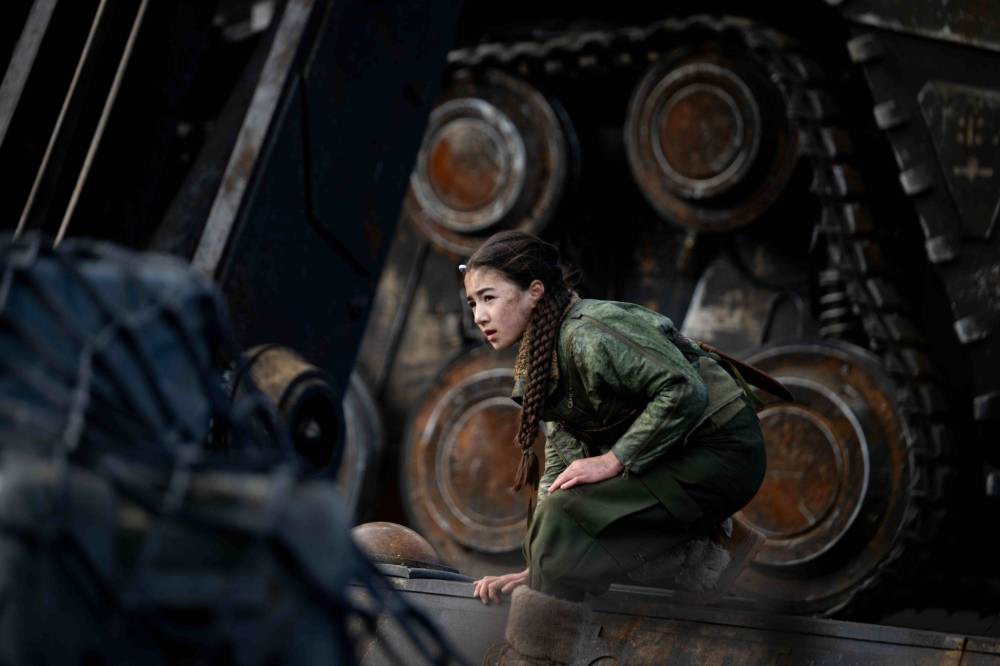
A different Supergirl
From the get-go, it was clear that this version of Supergirl was inspired by Tom King’s “Woman of Tomorrow,” a comic miniseries that explores Kara Zor-El’s origins as the true last survivor of Krypton.
Unlike Clark Kent, who has no memory of his home world, Kara was there to see the fruitless struggle of its survivors in the end. As she says in the film, Krypton didn’t die in a day, and she witnessed the deaths and suffering of her people and her family. It is a weight she continues to carry—one that she can only unload by drinking herself to numbness.
She further differentiates herself from her cousin, saying, “He sees the good in everyone, and I see the truth.” It’s not to say Kara’s a callous killer—in fact, she does her best to follow Clark’s lead and use her powers for good. Though she wouldn’t necessarily hesitate to kill someone she views as irredeemable.
Throughout her solo film, Alcock’s Supergirl follows an upward trajectory: starting out as a lost drunk and growing into a hero who’s willing to put her memories of Krypton behind her to start anew.
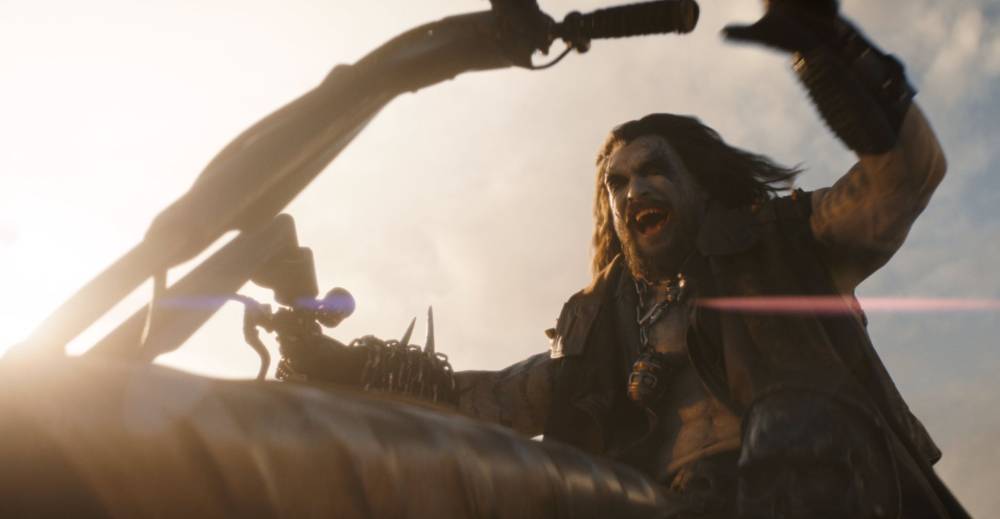
However, while “Supergirl” follows the story beats of “Woman of Tomorrow” down to the tee, it does so to its detriment. Because aside from Alcock and Jason Momoa’s Lobo, the rest is pretty forgettable.
A side quest for a film
“Woman of Tomorrow” is a critically acclaimed comic miniseries that stands alone by itself. But as a film in Gunn’s growing DCU, in fact, the movie to follow up on the success of 2025’s “Superman”—where every entry should feel like a momentous event—“Supergirl” simply felt like a side quest masquerading as something more important than it actually is.

Take, for example, Krem of the Yellow Hills. He’s a vicious individual who not only harms Krypto but also leads a band of brigands who kidnap girls from all over the galaxy to serve as their wives and slaves. But behind his despicable characterization, Krem is simply a run-of-the-mill goon who’s made to seem like an actual villain worth their salt.

Just take a look at his design—it’s literally a henchman.
And that’s where the biggest frustration comes from with watching “Supergirl.” Kara’s personal character arc is wonderful and offers a stark contrast with what we know of Superman. But outside that, I couldn’t be bothered to care about anyone else. Krem and his Mad Max wannabes all felt like dirt under Kara’s boot that she couldn’t simply dust off for some reason. They overstayed their welcome, so the very fact that Supergirl took too long with them almost felt like a disservice to the character itself.
Simply put, where MCU fans complain about having to watch every show and movie to stay up to date, Gunn’s growing DCU doesn’t seem to have that problem with its second film already being skippable.


