


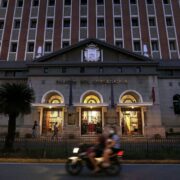

PSEi faces more month-end selling after hitting 6-year low


Philippine equities face continued downward pressure this week as institutional funds adjust portfolios to match the MSCI index rebalancing, following a market decline that pushed the country’s benchmark index to its lowest level in over six years.
Execution of index changes on Nov. 27—the final trading session of the month due to a national holiday on Nov. 30—is expected to drive trading volume as foreign funds execute required portfolio shifts.
The benchmark Philippine Stock Exchange Index (PSEi) fell 5.12 percent last week to close at 5,306.98, breaching its key 5,500 support level.
The upcoming index adjustment will remove utility giant Manila Electric Co. and telecommunications provider PLDT Inc. from the MSCI Philippines Standard index, with PLDT reclassified into the MSCI Small-Cap index.
Local market sentiment was further dampened last week by a retreat in global artificial intelligence technology stocks and lower-than-expected earnings from port operator International Container Terminal Services Inc. (ICTSI).
Shares of ICTSI dropped 7.2 percent on Friday to P668 as investors assessed operational risks associated with a potential license challenge at its Durban container terminal concession in South Africa.
Market focus is also shifting to the Bangko Sentral ng Pilipinas monetary policy meeting on Dec. 17.
Equity research firm F. Yap Securities expects a baseline interest rate increase of 25 basis points, with potential for a 50-basis-point hike should the US Federal Reserve adopt a more aggressive monetary tightening stance.
According to F. Yap Securities, a synchronized 50-basis-point rate increase by both central banks could drive the PSEi down toward its next support level at 5,250.
Despite equity market headwinds, strong domestic liquidity remains evident in sovereign debt auctions, suggesting sidelined capital could return to equities once inflation and interest rate trajectories stabilize.

The Philippine government’s recent retail dollar bond offering generated approximately $840 million in total tenders against an initial baseline offer of $200 million.
Longer-term foreign capital flows may receive structural support on Jan. 29, 2027, when Philippine sovereign bonds are formally integrated into the JPMorgan Government Bond Index-Emerging Markets.
******
Get real-time news updates: inqnews.net/inqviber